
Nuclear power plant: operation, components, history and global role
Comprehensive overview of nuclear power plants: how they generate electricity, main components, fuel and waste management, safety, notable accidents, and their economic and environmental roles.
A nuclear power plant is a kind of power station that produces electricity by converting the heat released from controlled nuclear reactions. These reactions take place inside a central reactor, where heat is transferred by a coolant to create steam that drives a steam turbine coupled to a generator. The electricity generated in this way is commonly referred to as nuclear power.
Image gallery
10 Images
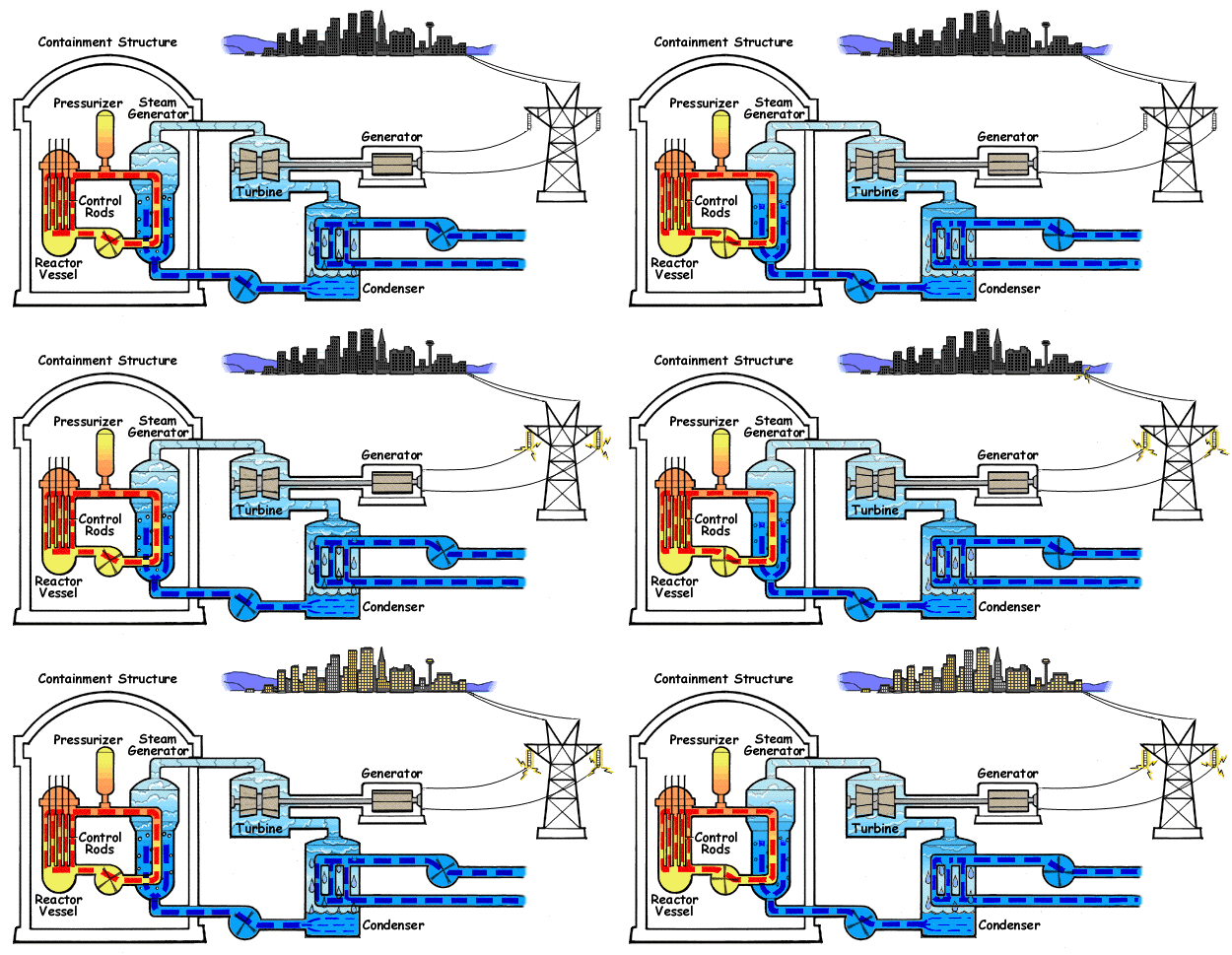



Main components and plant layout
Typical plants contain a reactor core with fuel assemblies, control rods that absorb neutrons to adjust the chain reaction, primary and secondary coolant circuits, steam generators where used, and a turbine-generator set. A robust containment building and multiple physical barriers separate radioactive systems from the environment. Many sites are located adjacent to rivers, lakes or the sea so that water can be used for cooling; where open water is not available, tall cooling towers or other heat rejection systems are used.
Fuel, fission and the fuel cycle
Commercial reactors most commonly use uranium fuel. Inside fuel assemblies, uranium atoms can split in a process known as fission, releasing energy and neutrons that sustain a controlled chain reaction. In some designs and stages of the fuel cycle, plutonium plays a role, either as a product of irradiation or as a component of mixed-oxide fuels. After irradiation, fuel remains radioactive and is handled in spent fuel pools or dry cask storage; managing high-level radioactive waste and deciding whether to reprocess spent fuel are important technical and policy choices. Reactors are periodically shut down for refueling and maintenance operations (refueling), which are tightly scheduled and regulated.
Types of reactors and operation
Light-water reactors, which use ordinary water as both coolant and neutron moderator, are the most widely deployed design worldwide, but other types exist for research, naval propulsion and experimental power generation. Operation requires continuous monitoring and control of neutron flux, temperature, pressure, chemistry and mechanical systems. Redundant safety systems, diverse emergency cooling arrangements and strict operating rules are common features to reduce the likelihood of uncontrolled conditions.
Distribution and capacity
There are on the order of a few hundred commercial reactors operating globally, concentrated in several countries. Significant fleets exist in the United States, France and historically in Japan, among others. National choices about the role of nuclear power vary with energy policy, economics and public opinion; some governments pursue new construction, while others focus on life-extension, shutdown and replacement strategies.
Safety history, incidents and responses
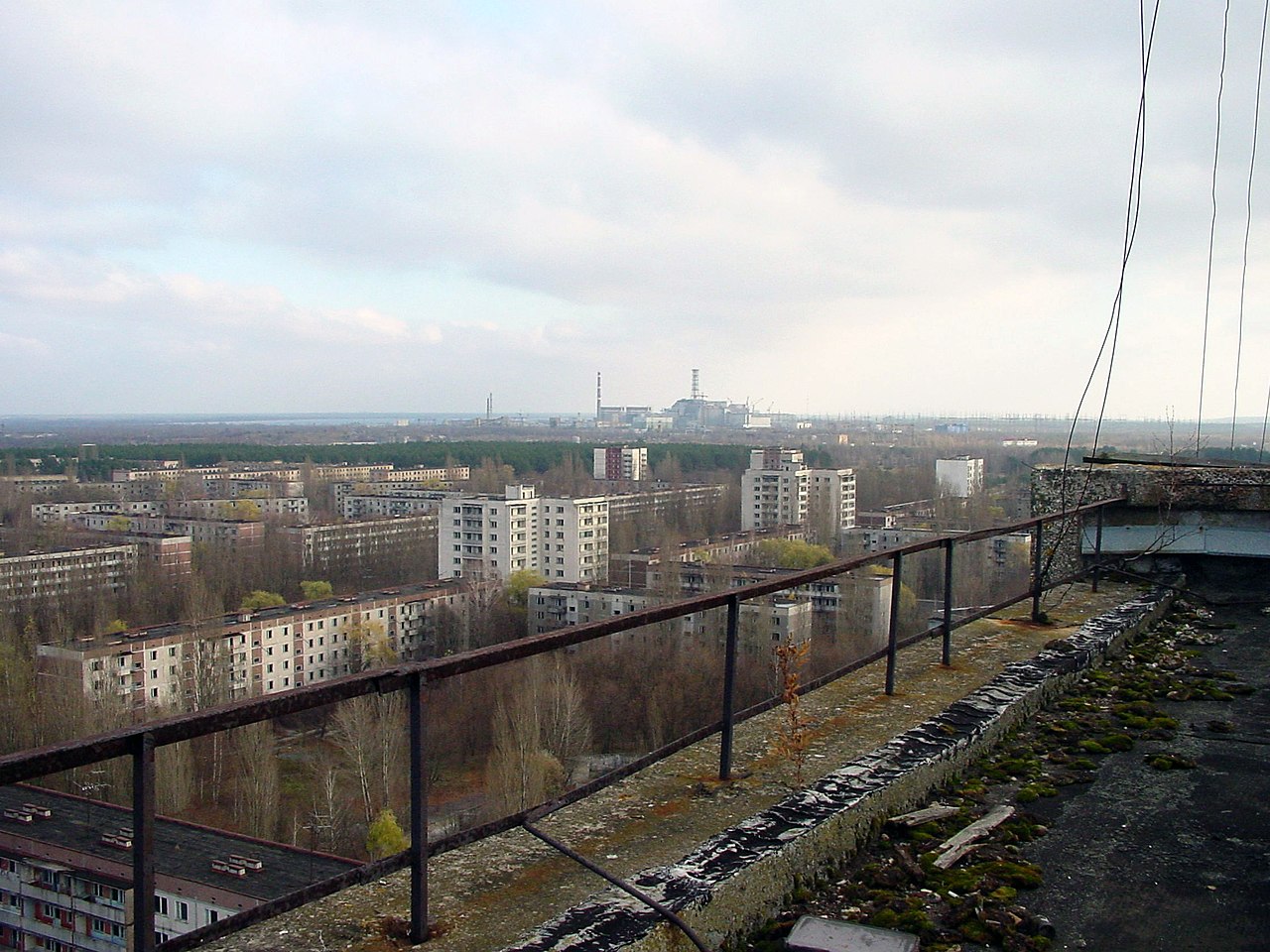
Nuclear plants incorporate engineered safeguards, containment structures, and emergency procedures designed to prevent or mitigate accidents. Notable events have influenced regulation and engineering practice worldwide: the 1986 Chernobyl disaster in what is now Ukraine, the 1979 Three Mile Island partial meltdown in the United States, and the 2011 Fukushima accident in Japan. Each incident led to reviews of design, emergency preparedness, regulatory oversight and public communication. Public responses include concern over safety and waste as well as support for low-carbon energy; political movements opposing new reactors are active in some countries, for example in Australia.
Benefits, challenges and modern developments
Nuclear power delivers large-scale, low‑carbon electricity with high energy density and relatively stable output, making it a candidate for baseload supply and decarbonizing electricity systems. Challenges include high upfront capital costs, complex licensing, long-term waste management, decommissioning of retired plants, and issues of non-proliferation and security. Recent developments include interest in advanced reactor concepts, small modular reactors and improved fuel technologies; these aim to reduce cost, enhance safety and offer more flexible operating profiles.
Economics, regulation and environmental context
Decisions about building, operating or closing nuclear plants balance economics, grid needs, climate goals and regulatory requirements. Regulators set technical standards, inspection regimes and emergency planning. Environmental assessments consider lifecycle greenhouse gas emissions, thermal discharges to local waters, land use for repositories and the long-term stewardship of radioactive materials.
Further reading and resources
- General introductions to electricity generation and station design: power station basics.
- Reactor fundamentals and design variations: reactor fundamentals.
- Technical overviews of the fuel cycle and waste management: fuel handling and refueling.
- Historical incident reports and lessons learned: Chernobyl, Three Mile Island, Fukushima.
- National contexts and policy debates: examples in the United States, France, Japan and activism in Australia.
A balanced understanding of nuclear power requires attention to engineering practice, environmental impacts and social policy. For specialist topics such as advanced reactors, non-proliferation, fuel reprocessing and geological disposal, consult technical literature and authoritative national and international regulators linked above.
Questions and answers
Q: What is a nuclear power plant?
A: A nuclear power plant is a type of power station that generates electricity using heat from nuclear reactions. These reactions take place within a reactor.
Q: How does a nuclear power plant generate electricity?
A: Nuclear power plants use machines to remove heat from the reactor to operate a steam turbine and generator to make electricity.
Q: What kind of fuel do nuclear power plants use?
A: Nuclear power plants use uranium as fuel. When the reactor is on, uranium atoms inside the reactor split into two smaller atoms, which gives off a large amount of heat. This splitting of atoms is called fission. The most popular atoms to fission are uranium and plutonium. Those atoms are slightly radioactive.
Q: Where can fission only happen today?
A: Fission only happens in nuclear reactors today, where the reactors parts must be arranged properly for it to occur.
Q: How many nuclear power plants are there in the world?
A: There are about four hundred nuclear power plants in the world, with many in the United States, France, and Japan.
Q: What are some famous accidents at nuclear power plants?
A: Some famous accidents at nuclear power plants were the 2011 Fukushima nuclear disaster in Japan, 1986 Chernobyl disaster in Ukraine, and the 1979 Three Mile Island accident in the United States.
Q: Is there an anti-nuclear movement in Australia?
A: Yes, there is an Anti-nuclear movement in Australia that opposes making any new nuclear power plants in the country.
Related articles
Author
AlegsaOnline.com Nuclear power plant: operation, components, history and global role Leandro Alegsa
URL: https://en.alegsaonline.com/art/71369