
Chloride (Cl−): properties, occurrence, biological and industrial roles
Chloride is the negatively charged ion of chlorine (Cl−). It is abundant in nature, essential for life, present in common salts, used industrially, and monitored in medicine and the environment.
Chloride refers to the anion Cl−, formed when elemental chlorine gains an electron in a reduction reaction, becoming a negatively charged ion. The simple notation Cl− denotes one extra electron compared with a neutral chlorine atom. Chloride is one of the most common anions in natural waters and in living organisms.
Image gallery
6 Images


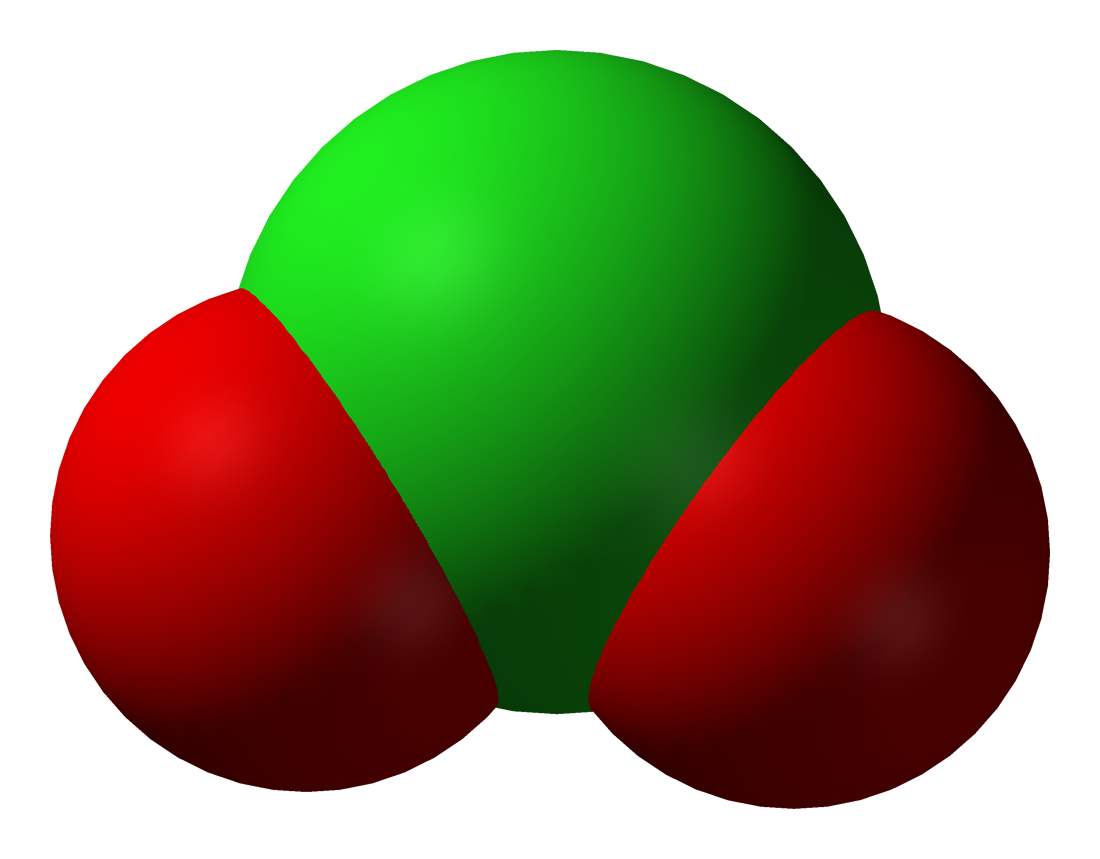


Physical and chemical characteristics
As a monatomic anion, chloride is chemically stable in many environments and readily forms salts with metals. Chloride salts are typically soluble in water, dissociating into Cl− and cations such as sodium or potassium. The ion participates in simple ionic bonding rather than forming covalent networks, and it is distinct from molecular chlorine and from organic compounds that contain covalently bonded chlorine.
Occurrence and common compounds
- Sodium chloride (table salt) and potassium chloride are the familiar dietary forms.
- Seawater contains chloride as its principal anion, giving the ocean much of its salinity.
- Other chloride salts, such as calcium chloride, are used for de-icing and moisture control.
Biological importance
Chloride is an essential electrolyte in animals and plants. It helps maintain osmotic balance, contributes to acid–base regulation, and participates in electrical activity across cell membranes. In humans, chloride is a component of gastric acid (hydrochloric acid) and moves through specialized chloride channels; abnormalities in these channels are medically significant. Blood chloride concentration is routinely measured as part of an electrolyte panel.
Industrial uses, monitoring and distinctions
Chloride ions and chloride salts have many industrial applications, including the manufacture of chemicals, polymer production, and de-icing. The chlor-alkali industry produces chlorine and caustic soda from chloride-containing brines. Environmental monitoring of chloride is important because runoff from road salts and industrial effluents can raise chloride levels in fresh waters, affecting ecosystems and causing corrosion. It is important to distinguish chloride (Cl−) from elemental chlorine (Cl2) and from chlorinated organic compounds, which have different properties and risks. For basic reference on these concepts see related chemistry topics.
Overall, chloride is a simple but highly significant ion across chemistry, biology, industry, and environmental science.
Related articles
Author
AlegsaOnline.com Chloride (Cl−): properties, occurrence, biological and industrial roles Leandro Alegsa
URL: https://en.alegsaonline.com/art/19888