
Salmonella: biology, diseases, transmission and prevention
Comprehensive overview of Salmonella bacteria: what they are, how they cause disease, common sources, diagnosis, treatment, prevention and public‑health significance.
Overview
Salmonella is a genus of rod‑shaped, gram‑negative bacteria widely found in animals and the environment. Members of this genus are important causes of human illness, most commonly presenting as gastroenteritis (foodborne diarrheal disease) or, less often, systemic infections such as typhoid and paratyphoid fever. The name covers many different serotypes with varying patterns of disease and epidemiology; some strains primarily affect animals while others are adapted to humans. For general background on classification see genus and for basic microbiology see bacteria.
Image gallery
2 Images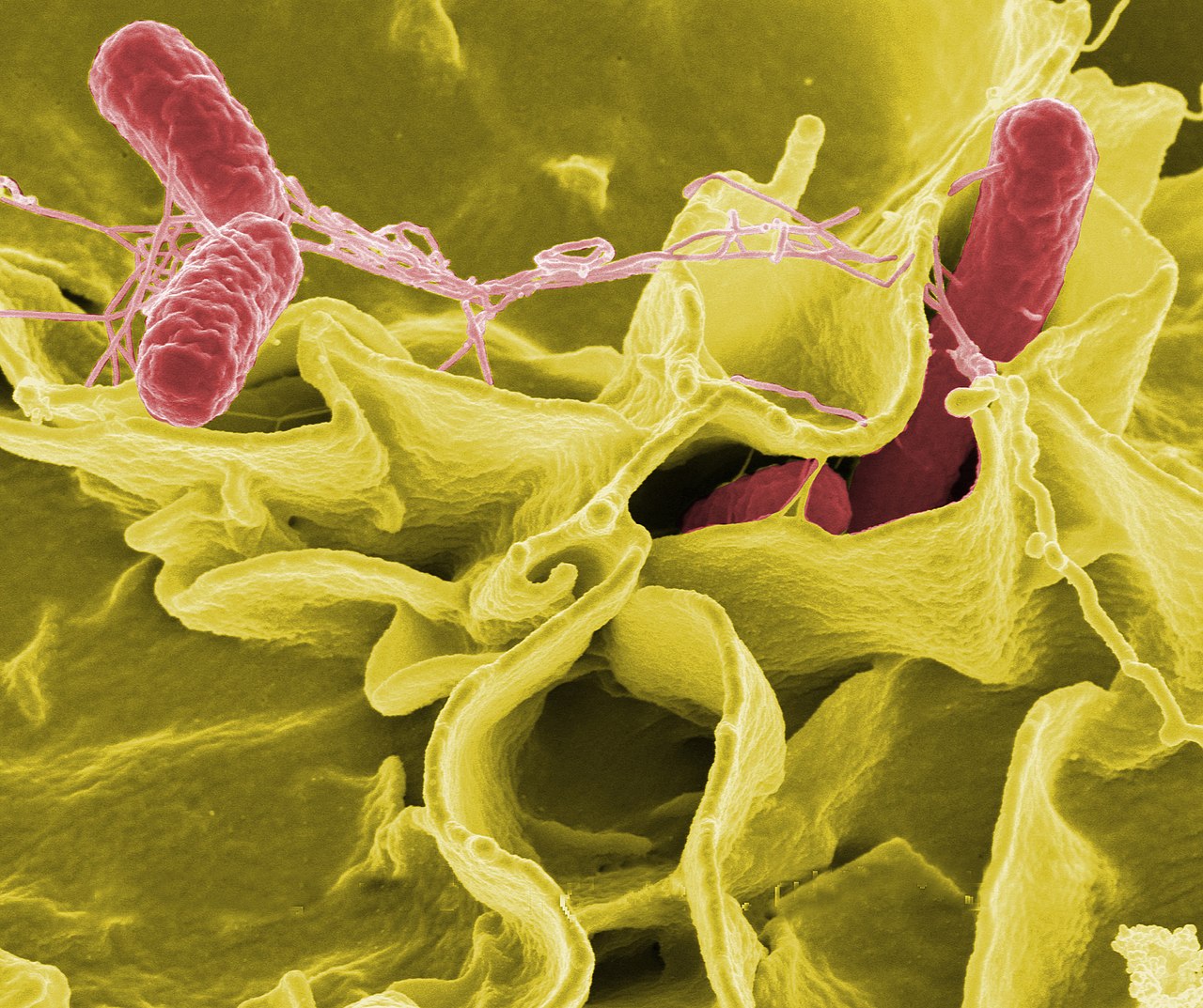

Biology and classification
Salmonella belong to a family of Enterobacteriaceae related to other intestinal bacteria such as Escherichia. They are facultative anaerobes capable of surviving in a range of environments, including the intestines of warm‑ and cold‑blooded animals. Taxonomy distinguishes typhoidal serotypes, which can cause invasive bloodstream infections in humans, from non‑typhoidal serotypes, which most often cause self‑limited intestinal illness. The organisms are considered zoonotic because they can pass between animals and people.
Clinical features and important distinctions
Non‑typhoidal Salmonella typically cause nausea, abdominal cramps and acute diarrhea, occasionally accompanied by fever. In most healthy people the illness is self‑limited; in infants, the elderly and people with weakened immune systems it can lead to severe dehydration or invasive disease. Typhoidal infections (typhoid and paratyphoid fever) are distinct clinical syndromes characterized by prolonged fever and systemic spread. It is important not to confuse Salmonella‑related illnesses with other diseases such as cholera (distinct disease) or typhus (unrelated disease), which have different causes and treatments.
Transmission and common sources
Transmission to people most often occurs through ingestion of contaminated food or water. Typical sources include animal‑derived products and environments where animals are carried or processed. Common vehicles include:
- Meat, especially when undercooked or cross‑contaminated.
- Poultry and poultry products.
- Eggs and foods containing raw or undercooked eggs.
- Milk and unpasteurized dairy products.
- Produce contaminated by animal feces or contaminated water, and contact with infected pets or livestock (animal sources).
Diagnosis, treatment and prevention
Diagnosis is typically made by culturing the bacterium from stool, blood or other clinical specimens. Treatment for most uncomplicated intestinal infections focuses on fluid and electrolyte replacement; antibiotics are reserved for severe or invasive cases and are chosen based on susceptibility testing. Preventive measures include safe food handling, adequate cooking, pasteurization of dairy, good hand hygiene after handling animals, and public health measures to control infections in food animals. For more on safe food practices see public health guidance at genus resources and laboratory references at bacteria.
History and public‑health importance
Salmonella species have been recognized as causes of foodborne illness for many decades and remain a leading bacterial cause of gastroenteritis worldwide. Outbreaks can occur at household, institutional and community levels and often prompt coordinated public‑health responses to identify sources and limit spread. Modern control efforts combine farm‑level interventions, food‑safety regulations, surveillance, and consumer education. For background on surveillance and comparative diseases see additional entries on zoonotic risks and related organisms such as Escherichia.
Related articles
Author
AlegsaOnline.com Salmonella: biology, diseases, transmission and prevention Leandro Alegsa
URL: https://en.alegsaonline.com/art/86523