
Typhus: causes, forms, symptoms, history, and prevention
Typhus is a group of vector-borne infectious diseases caused by rickettsial organisms. This article explains types, transmission, symptoms, treatment, historical impact, and distinctions from typhoid fever.
Overview
Typhus is a collective name for several related infectious diseases transmitted by arthropod vectors. It is distinct from typhoid and paratyphoid fevers, which are caused by Salmonella bacteria; see the difference here. In general usage the term covers illnesses caused by rickettsial organisms and similar bacteria; for a concise definition follow this reference. Historically the disorder was named for the mental cloudiness it produced — from a Greek word meaning smoky or hazy.
Image gallery
6 Images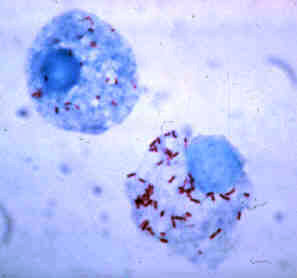

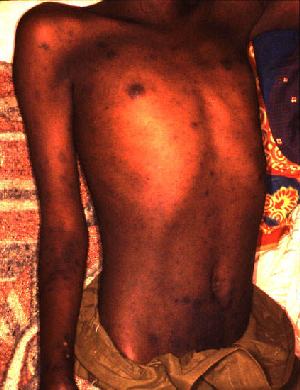

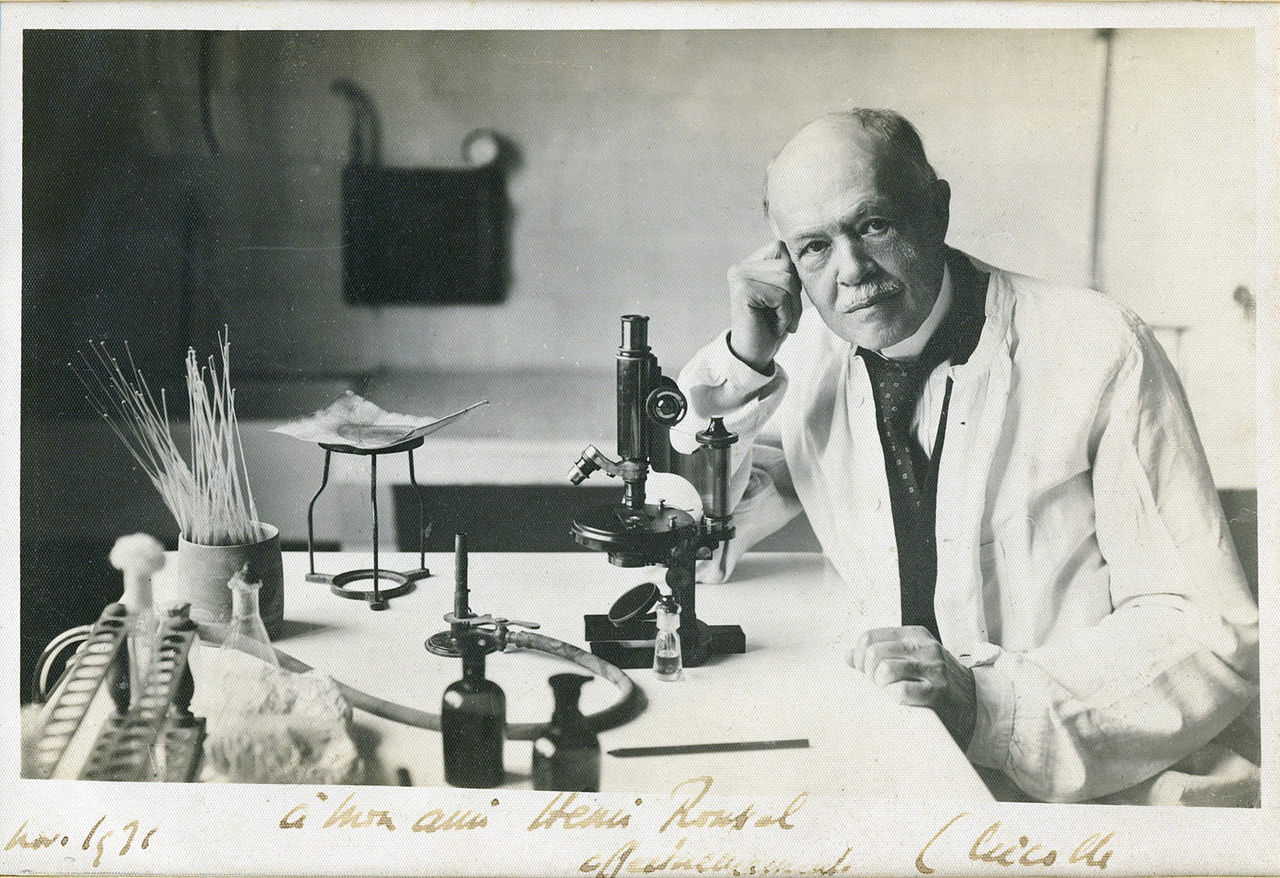

Causes and vectors
Most classical forms of typhus are caused by small, obligate intracellular bacteria related to the genus Rickettsia (and closely related genera). An overview of these agents is available at this source. Different species have different primary hosts and insect or mite carriers:
- Murine (endemic) typhus: transmitted mainly by fleas that feed on rodents; fleas are implicated in spreading the organism — see fleas and their role.
- Urban rodent hosts such as rats and other rodents often sustain the cycle between animals and fleas.
- Epidemic (louse-borne) typhus: associated with human body lice; transmission and outbreaks are linked to lice infestations.
- Scrub typhus and related illnesses are spread by trombiculid mites (chiggers) and are caused by closely related organisms in areas where those mites are found.
Many forms of typhus are capable of causing outbreaks under crowded, unhygienic, or wartime conditions and are therefore described historically as epidemic diseases.
Typical symptoms and diagnosis
Symptoms usually begin after an incubation period of several days and commonly include fever, severe headache, muscle aches, and often a characteristic rash in some forms. Mental confusion, sensitivity to light, and low blood pressure can occur in severe cases. The clinical appearance varies with the specific agent and the patient's health. Laboratory confirmation is generally by serologic tests, polymerase chain reaction (PCR), or culture in specialized laboratories; rapid clinical recognition is important because appropriate treatment reduces complications.
Treatment and prevention
Typhus is treatable with antibiotics; doxycycline and other agents effective against rickettsial organisms are commonly used, and earlier treatment usually leads to faster recovery. For general guidance on antibiotic therapy see recommended treatments. Prevention focuses on controlling vectors (lice, fleas, mites), improving sanitation, reducing rodent reservoirs, using insect repellents and protective clothing, and public-health measures in outbreaks. Vaccines have been developed in the past for specific forms but are not universally available, so vector control and prompt diagnosis remain central to prevention.
History and public-health importance
Typhus has played a significant role in human history because its lice-borne form can spread rapidly in crowded and unhygienic settings such as prisons, refugee camps, and battlefields. Large epidemics have been recorded during times of social upheaval. Modern public-health systems, better living conditions, and targeted vector-control efforts have greatly reduced the frequency and scale of such outbreaks in many regions, but focal disease persists where vectors and reservoirs are present.
Notable distinctions and facts
- Typhus is not the same as typhoid fever; the two conditions have different causes and require different public-health responses — see contrast.
- Different typhus agents and vectors mean that local ecology determines which form is most likely in a given area.
- Rapid diagnosis and early antibiotic treatment markedly reduce the risk of severe complications.
For further reading about vectors, reservoirs, and the biology of the causative organisms, consult dedicated public-health and infectious disease references using these topic entries: fleas, rats, rodents, lice, and general summaries at typhus overview and rickettsial agents. Additional information on outbreak control and historical accounts can be found via epidemic disease resources and clinical treatment guidance at antibiotics and therapy.
Related articles
Author
AlegsaOnline.com Typhus: causes, forms, symptoms, history, and prevention Leandro Alegsa
URL: https://en.alegsaonline.com/art/102371