
Sauropsida: the reptile-and-bird clade of amniote vertebrates
Sauropsida (sauropsids) are the clade of amniote vertebrates that includes modern reptiles and birds and their fossil relatives, originating early in the Carboniferous Period.
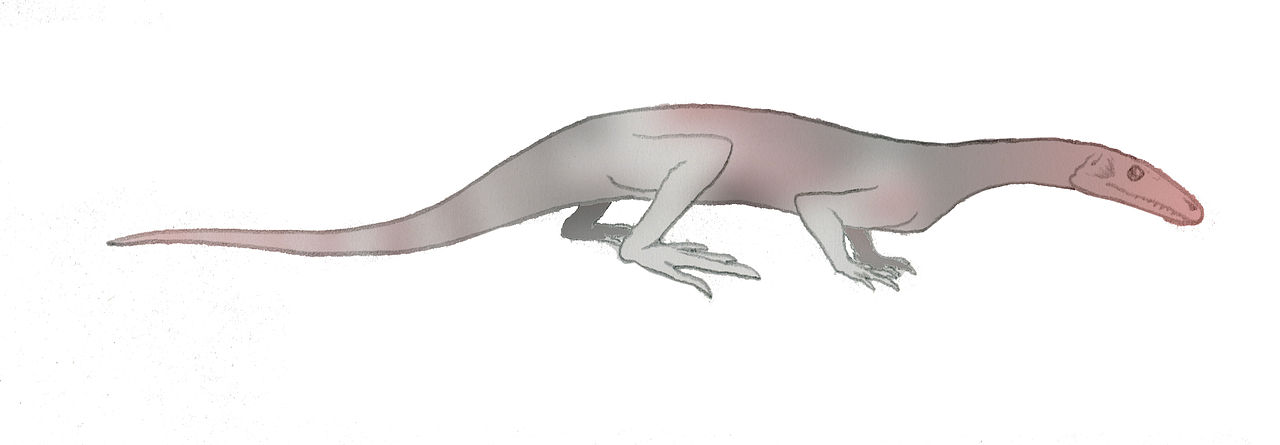
Overview: Sauropsida is the name given to the major lineage of amniote land vertebrates that comprises all modern reptiles and birds, together with their deep-time fossil and ancestral ancestors. Sauropsids split from the other primary amniote branch during the early Carboniferous, when the first egg-laying amniotes diversified across terrestrial ecosystems in the Carboniferous Period.
Image gallery
10 Images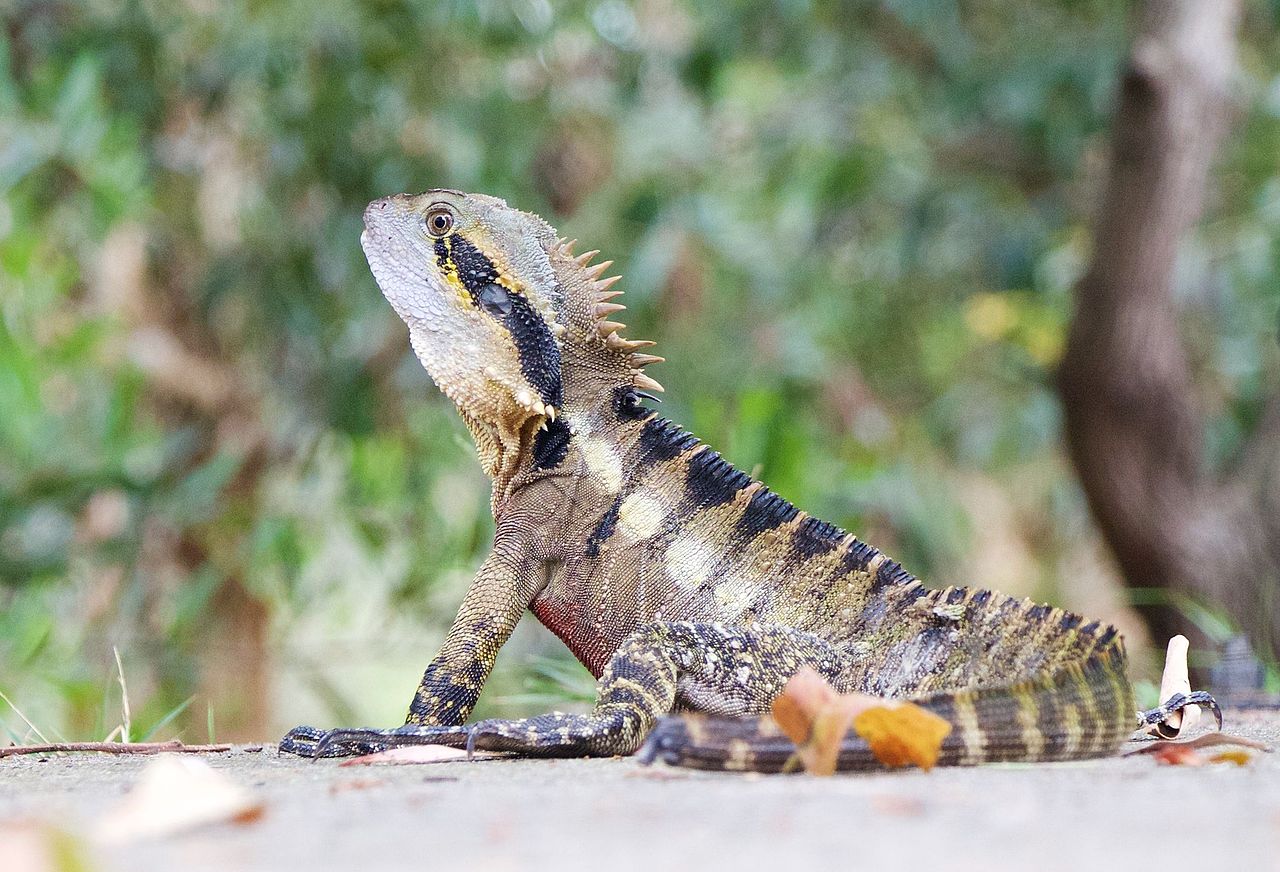




Defining features and biology
Sauropsids are defined as a clade by common ancestry rather than a single suite of traits. Many members share adaptations for life on land such as an amniotic egg, scales or feathers on the integument, and respiratory and renal systems suited to reducing water loss. Skull architecture varies (for example, the diapsid condition found in most reptiles and birds), and physiological traits range from ectothermy in many reptiles to the high metabolic rates seen in birds.
Living diversity
Modern sauropsids include a broad array of groups. Familiar examples are listed below; each name links to further information sources or summaries:
- Lizards
- Snakes
- Turtles
- Crocodilians
- Birds (the only sauropsid group with powered flight among living taxa)
Extinct groups and the fossil record
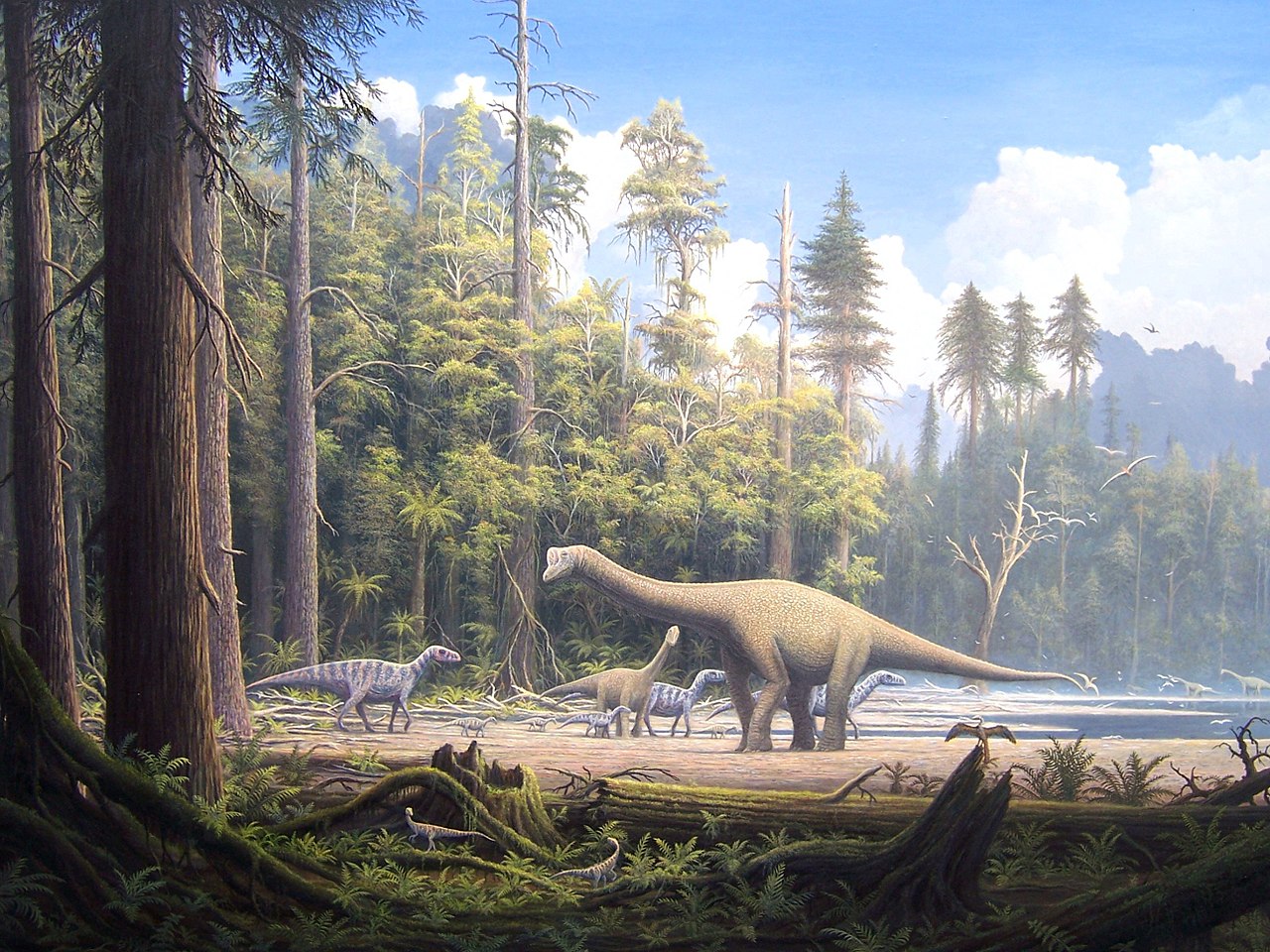
The sauropsid fossil record contains many well known extinct lineages. Non-avian dinosaurs and pterosaurs are two famous terrestrial radiations. Marine forms once placed among sauropsids include plesiosaurs and ichthyosaurs. More broadly, numerous extinct clades illustrate how diverse sauropsids have been in form and lifestyle through geological time.
Evolutionary context and classification
In evolutionary terms sauropsids are one of the two principal amniote branches; the other, the synapsids, eventually produced the modern mammals. Taxonomy has shifted as paleontology and molecular biology refined relationships: older, rank-based groups called “Reptilia” often excluded birds, but cladistic practice places birds within Sauropsida, reflecting their descent from theropod dinosaurs. Important debates continue over the relationships of particular fossil groups and the timing of divergences early in amniote history.
Significance and notable facts
Sauropsids illustrate major evolutionary themes: convergent solutions to terrestrial living, the origin of flight in birds, and repeated ecological radiations. Recognizing sauropsids as a clade helps clarify evolutionary relationships that traditional groupings obscured and emphasizes that terms like “reptile” have different meanings in everyday language and in modern systematics.
Questions and answers
Q: Which two groups evolved from egg-laying amniotes in the Carboniferous period?
A: Sauropsids and synapsids.
Q: Which group gave rise to mammals?
A: Synapsids.
Q: What are living sauropsids?
A: Lizards, snakes, turtles, crocodiles, and birds.
Q: What are extinct sauropsids?
A: Non-avian dinosaurs, pterosaurs, plesiosaurs, ichthyosaurs, and many others.
Q: What is a sauropsid?
A: A group of land vertebrates which includes all existing "reptiles" and birds and their fossil ancestors.
Q: What period did the sauropsids and synapsids evolve in?
A: The Carboniferous period.
Q: What is the difference between sauropsids and synapsids?
A: Sauropsids gave rise to all existing "reptiles" and birds and their fossil ancestors, while synapsids gave rise to mammals.
Related articles
Author
AlegsaOnline.com Sauropsida: the reptile-and-bird clade of amniote vertebrates Leandro Alegsa
URL: https://en.alegsaonline.com/art/87577
Sources
- tolweb.org : Amniota, mammals, reptiles (turtles, lizards, Sphenodon, crocodiles, birds) and their extinct relatives
- books.google.com : Sauropsid