
Scar: formation, types, and clinical significance
A scar is fibrous tissue that replaces normal tissue after injury. This article explains how scars form, their composition and types, clinical examples, prevention and common treatments.
Overview
A scar is the fibrous tissue that replaces normal tissue after an injury to the skin or an internal organ. Scarring is a natural phase of the body's healing process. While it restores continuity and helps prevent infection and blood loss, the repaired area usually differs in appearance and function from the original tissue.
Image gallery
6 Images

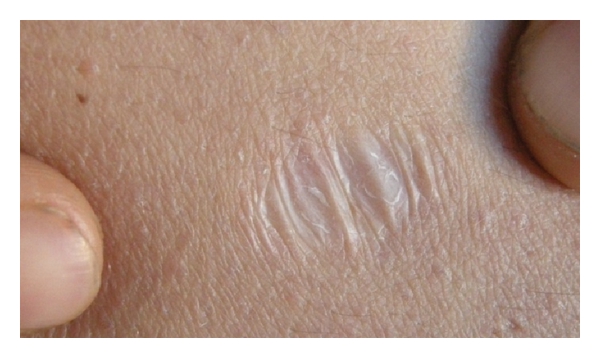


Formation and characteristics
The process of scar formation involves several overlapping stages: inflammation, tissue formation, and remodeling. Inflammation clears debris and microbes; fibroblasts and other cells lay down extracellular matrix and collagen to close the defect; finally, the tissue is reorganized during remodeling. Scar tissue is made largely of collagen, but the fibers are arranged in a more parallel, aligned pattern rather than the random mesh typical of uninjured tissue. This altered microstructure gives scars different mechanical and physiological properties—often less elasticity, altered pigmentation, and absence of structures such as hair follicles and sweat glands.
Types and clinical examples
Scars vary by depth, shape and behavior. Common categories include:
- Normotrophic (flat) scars — thin and usually pale once matured.
- Hypertrophic scars — raised, limited to the wound boundaries, often regress over time.
- Keloids — overgrown scars that extend beyond the original injury and may persist or enlarge.
- Contractures — scars that tighten skin and underlying tissues, impairing movement; common after burns.
Scarring is important beyond the skin. For example, a myocardial infarction (heart attack) replaces dead heart muscle with scar tissue that cannot contract like healthy myocardium, affecting cardiac function. In contrast, some tissues like bone and fetal skin can regenerate with minimal scarring under certain conditions.
Causes, risk factors and notable facts
The extent and appearance of a scar depend on wound size and depth, location on the body, individual biology, age, infection, and mechanical tension during healing. Genetic background influences the tendency to form keloids. Sun exposure can darken immature scars and make them more noticeable, so protection is commonly recommended during healing. The fetus can often heal without visible scarring during early development, a phenomenon that has guided research into regenerative medicine and scar prevention.
Prevention and management
Measures to reduce scarring focus on good wound care, minimizing tension on the wound edges, and protecting healing tissue from ultraviolet light. Treatments for established scars aim to improve appearance, relieve symptoms, or restore function. Options include silicone gel or sheets, pressure therapy, intralesional corticosteroid injections, laser and energy-based therapies, surgical revision, and in some stubborn cases adjunctive radiotherapy. Effectiveness varies with scar type and individual response; clinicians choose treatments based on goals and risks.
Importance and ongoing research
Scarring has both practical and psychosocial consequences: it can limit movement, alter organ function, and affect self-image. Research continues into ways to minimize fibrosis and promote regeneration, ranging from cellular therapies and biochemical modulators to biomaterials and engineered tissues. Readers seeking more medical detail or treatment options should consult clinical sources or a healthcare professional. For general information about wounds and healing, see wound care basics, and for clinical guidelines refer to specialist summaries or professional societies represented at relevant organizations.
Related articles
Author
AlegsaOnline.com Scar: formation, types, and clinical significance Leandro Alegsa
URL: https://en.alegsaonline.com/art/87778