
Sarcoidosis
Sarcoidosis is an inflammatory disease marked by noncaseating granulomas that most often affects the lungs but can involve many organs; course and treatment vary widely.
Sarcoidosis is a systemic inflammatory condition characterized by the formation of noncaseating granulomas — compact collections of immune cells — in affected tissues. The lungs and intrathoracic lymph nodes are the most commonly involved sites, but skin, eyes, heart, liver, and the nervous system may also be affected. The underlying cause is unknown; current evidence points to an exaggerated immune response in genetically susceptible individuals following exposure to environmental or infectious triggers.
Image gallery
10 Images


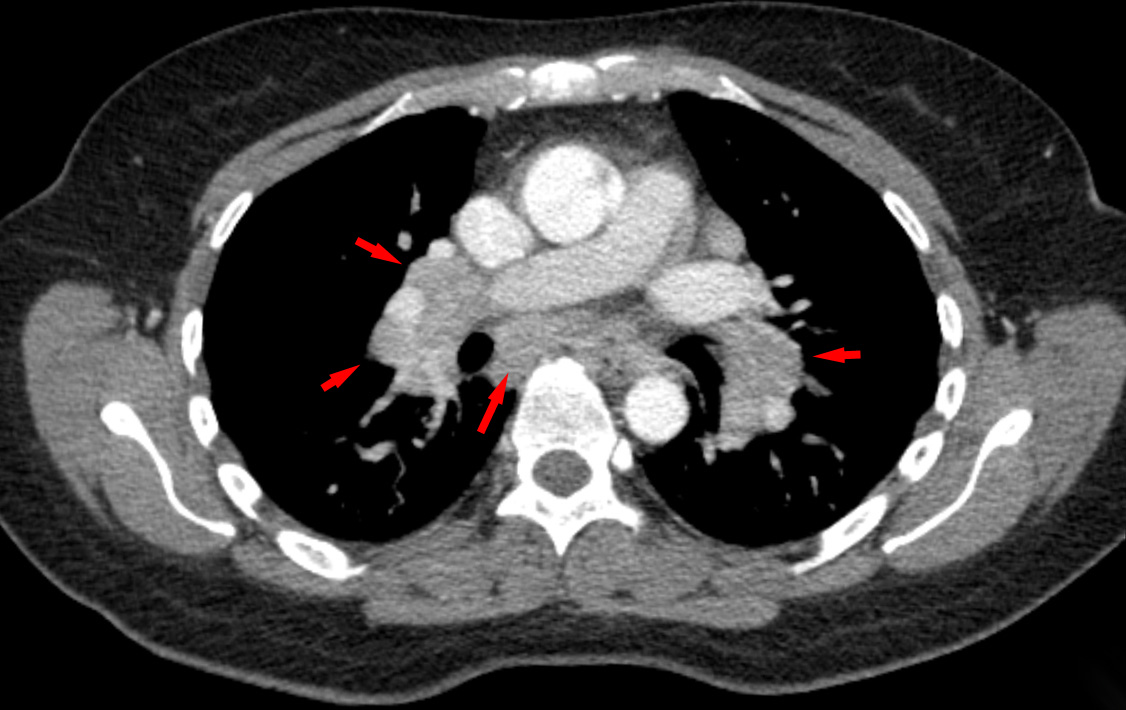
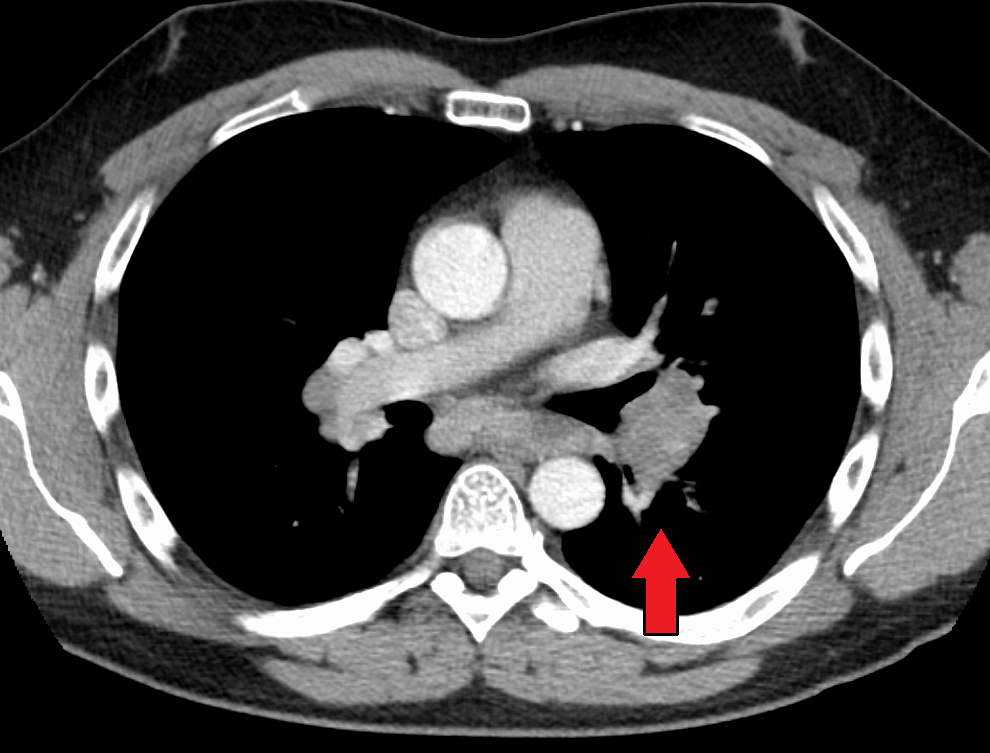

Common features and presentation
Symptoms depend on the organs involved. Pulmonary disease may cause cough, shortness of breath, or chest discomfort. Cutaneous findings include rashes or nodules, while ocular involvement can produce redness, pain, or vision changes. When the heart or nervous system is affected the disease can lead to arrhythmias, heart block, or focal neurologic deficits; nervous system involvement is termed neurosarcoidosis. Systemic signs such as fatigue, weight loss, and low-grade fever are common.
Diagnosis
- Clinical assessment and imaging: chest radiography or CT commonly show bilateral lymphadenopathy or lung infiltrates.
- Pathology: definitive diagnosis usually requires biopsy demonstrating noncaseating granulomas while excluding infections and other granulomatous disorders.
- Laboratory tests and function: blood tests may show elevated inflammatory markers or hypercalcemia; serum angiotensin-converting enzyme (ACE) can be raised in some patients; pulmonary function tests assess respiratory impairment.
Treatment and management
Treatment is tailored to symptom severity and organ involvement. Many cases are mild and remit without therapy, but progressive or organ‑threatening disease is treated. First‑line medical therapy is typically corticosteroids such as prednisone. For steroid-sparing or refractory disease, immunosuppressive agents like methotrexate or other disease-modifying drugs may be used. Antimalarial medications have a role for some cutaneous or joint manifestations. Cardiac or neurologic sarcoidosis often requires close specialist management and sometimes more aggressive immunosuppression.
Course, complications, and prognosis
The course ranges from spontaneous resolution to chronic disease with progressive organ damage. Pulmonary fibrosis is a potential long-term complication that can lead to respiratory failure; see pulmonary fibrosis for related issues. Cardiac involvement can cause life‑threatening arrhythmias and conduction abnormalities. Prognosis depends on which organs are affected and how early and effectively treatment is started; many patients do well with therapy and monitoring.
Notable considerations
- Because sarcoidosis can mimic infections and malignancy, careful exclusion of those conditions is important before assigning the diagnosis.
- Presentation and incidence vary by age, sex, and ancestry; some populations have higher risk and more severe disease.
- Long-term follow-up is often necessary to monitor disease activity, treatment side effects, and organ function.
Related articles
Author
AlegsaOnline.com Sarcoidosis Leandro Alegsa
URL: https://en.alegsaonline.com/art/87332
Sources
- mayoclinic.org : "Sarcoidosis - Symptoms and causes"