
Rhododendron niveum: a high‑altitude rhododendron of the eastern Himalaya
Rhododendron niveum is an evergreen shrub or small tree native to northeastern India, Bhutan and southern Tibet, found at 2600–3500 m and noted for its leathery leaves and magenta‑to‑lilac flowers.
Overview
Rhododendron niveum is a species in the broad genus Rhododendron and is treated as a distinct species in regional floras. It occurs naturally in parts of the eastern Himalaya and adjacent plateaus, with confirmed populations in northeastern India (including Sikkim), Bhutan and southern Tibet. The plant is typically found at high elevations between about 2600 and 3500 metres above sea level.
Image gallery
3 Images

Appearance and identifying features
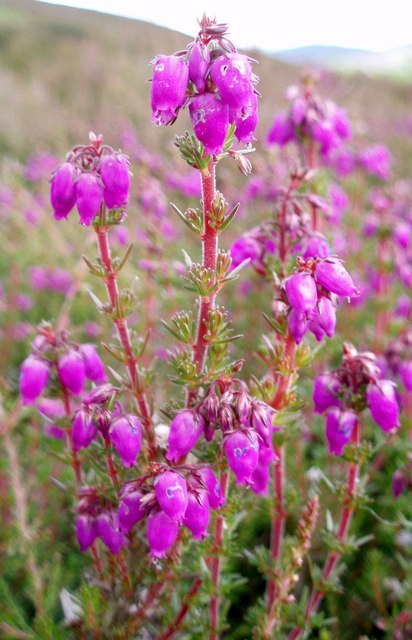
This taxon usually grows as an evergreen shrub or a small tree reaching approximately 2–6 metres in height. Leaves are leathery and relatively broad, commonly reported at about 8.5–11 cm long by 3.6–4.6 cm wide. The inflorescences carry showy flowers in shades ranging from deep magenta to softer lilac, traits that make the plant noticeable in blossom season. These characteristics—height, leaf size and flower colour—help distinguish R. niveum from some sympatric rhododendrons.
Habitat and ecology
Rhododendron niveum is adapted to montane and subalpine environments. It grows in cool, moist sites such as open slopes, woodland margins and rhododendron‑dominated thickets. Soils are typically acidic and well drained; the species is suited to the cloudy, temperate climate and seasonal temperature fluctuations of high elevations. It forms part of diverse montane plant communities and contributes to local biodiversity.
Uses and cultivation
Like many rhododendrons, R. niveum has potential ornamental value because of its compact habit and colourful flowers. In cultivation it requires conditions that mimic its native range: cool summers, protection from late frosts, humus‑rich acidic soil and good drainage. Propagation is commonly by seed or semi‑ripe cuttings in horticulture; however, successful cultivation outside its native montane climate can be challenging without suitable microclimate management.
Conservation and notable facts
High‑altitude plants such as R. niveum can be sensitive to habitat alteration and climate change. While specific conservation assessments may be limited, maintaining intact montane habitats and monitoring wild populations are important. Taxonomically, the species is primarily recognized by its combination of size, leaf dimensions and flower colour; further study of its distribution and variation helps clarify its relationship to other regional rhododendrons.
Quick reference
- Native range: northeastern India, Bhutan, southern Tibet
- Altitude: 2600–3500 m
- Form: 2–6 m shrub or small tree (shrub)
- Leaves: leathery, ~8.5–11 × 3.6–4.6 cm
- Flowers: magenta to lilac hues
Related articles
Author
AlegsaOnline.com Rhododendron niveum: a high‑altitude rhododendron of the eastern Himalaya Leandro Alegsa
URL: https://en.alegsaonline.com/art/82533
Sources
- efloras.org : "Rhododendron niveum"