
Sikkim: Himalayan state of India — geography, people, history and culture
Sikkim is India's smallest state by population and a compact Himalayan region known for Kanchenjunga, diverse cultures (Lepcha, Bhutia, Nepali), Buddhist monasteries and nature-based tourism.
Overview
Sikkim is a mountainous state in northeastern India that joined the Indian Union in 1975. It occupies a narrow but vertically varied corridor between Nepal and Bhutan and rises from lower subtropical valleys to the high Himalaya. The state capital is Gangtok. Administratively compact, Sikkim is one of India’s smallest states by area and has the lowest population among Indian states, while hosting dramatic landscapes and a rich mix of ethnic communities. General information about the state and its place in India can be found via broader references to India and regional context.
Image gallery
10 Images





Geography and environment
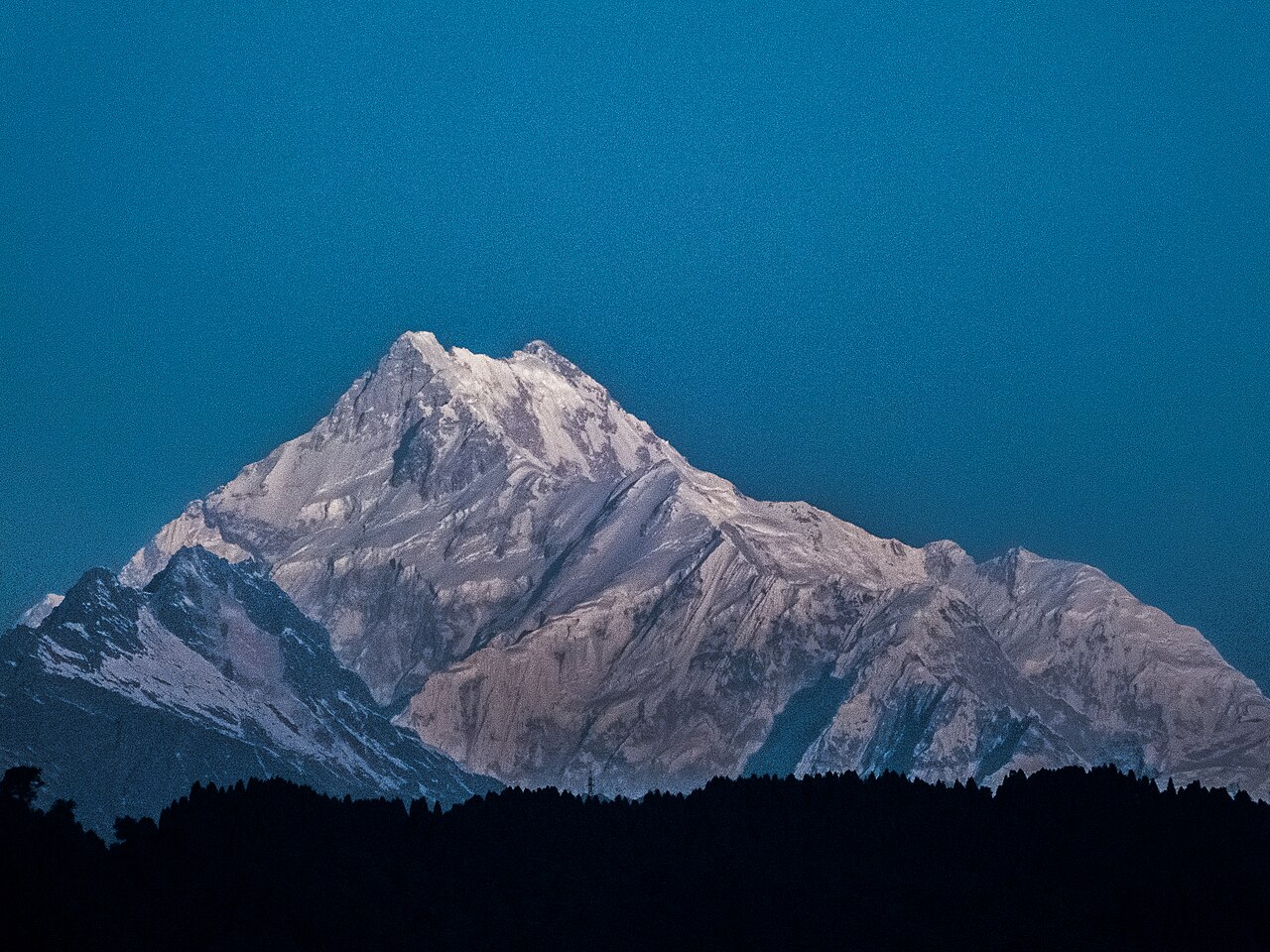
Sikkim lies between Nepal to the west and Bhutan to the east, with the Tibet Autonomous Region of China to the north and the Indian state of West Bengal to the south. Its area is compact—about 7,100 square kilometres—and its altitudinal range creates multiple climatic zones from tropical valleys to permanent snow. The state contains part of the third highest mountain on Earth, Mount Kanchenjunga (8,597 metres), and several protected areas, including a UNESCO-listed national park that conserves alpine ecosystems and rare species. Environmental conservation and sustainable tourism are important concerns in the region.
People, languages and culture
Sikkim’s population is ethnically diverse. The principal communities are the Lepcha (the indigenous people), the Bhutia (of Tibetan origin), and a large Nepali-speaking population. Languages commonly used include Sikkimese (Bhutia), Nepali, Lepcha, Tibetan dialects and, increasingly, Hindi and English in administration and education. Religion is similarly plural: Tibetan Buddhism has a prominent presence in monasteries and festivals, while Hinduism is widely practised among Nepali-origin residents. Cultural life features vibrant festivals, traditional dress, music and crafts that reflect the region’s Himalayan heritage.
History and political development
The territory that is now Sikkim was historically a Himalayan kingdom ruled by the Chogyal monarchy. It began to engage more with the British in the 19th century and became a British protectorate late in that period. After Indian independence the kingdom maintained a special relationship with the Indian government; in 1975, following political changes and a public plebiscite, Sikkim became a full state of India. For historical treaties and the protectorate period see sources that discuss the role of the British protectorate arrangements and subsequent integration.
Economy, tourism and transport
Sikkim’s economy is shaped by agriculture, horticulture (notably cardamom and temperate fruits), hydropower potential and a growing tourism sector. Nature-based tourism—trekking, mountain views, and visits to Buddhist monasteries—generates significant income. The state has promoted organic farming and sustainable practices as part of its economic approach. Key towns and travel hubs that support visitors include Gangtok, Pelling and other valley settlements; practical travel and tourism details are available from official and private guides and portals such as tourism resources.
Notable facts and distinctions
- Home to Mount Kanchenjunga, one of the world’s highest peaks.
- One of India’s smallest states by area and the least populous state; reference summaries sometimes list its demographic ranking and size (statistics).
- Languages and identity draw from Tibetan, Nepali and indigenous traditions; see materials on the Tibetan cultural linkages.
- Sikkim’s modern political change from a monarchy to an Indian state is described in contemporary historical accounts and reports (protectorate history).
- Border relationships and regional geography are important for understanding its strategic and cultural setting (Nepal, Bhutan, West Bengal).
Sikkim remains notable for its spectacular mountain scenery, layered cultures and the way small mountain communities adapt to modern economic and environmental challenges. For language details and community profiles see resources on Nepali, Sikkimese and regional dialects, and for practical and historical overviews consult curated travel and academic sources (country context, state capital info, visitor information, historical treaties).
Questions and answers
Q: What is the capital of Sikkim?
A: The National capital of Sikkim is Gangtok.
Q: When did Sikkim become a state in India?
A: Sikkim became a state in India in 1975.
Q: What are the main languages spoken in Sikkim?
A: The main languages spoken in Sikkim are Sikkimese, Lepcha, Tibetan, Nepali and now Hindi and English.
Q: What is the highest mountain located in Sikkim?
A: The highest mountain located in Sikkim is Mt. Kanchenjunga (8,597 metres or 28,205 feet above sea level).
Q: Who settled in Sikkim during the 16th century?
A: Tibetans settled in Sikkim during the 16th century.
Q: How much money does tourism make for this small organised state of India?
A: Tourism makes a lot of money for this small organised state of India.
Q: What are the main ancestries found among people living there? A: The main ancestries found among people living there are Nepalese ancestry, Bhutias (Tibetan and Bhutnese) and aboriginal Lepchas.
Related articles
Author
AlegsaOnline.com Sikkim: Himalayan state of India — geography, people, history and culture Leandro Alegsa
URL: https://en.alegsaonline.com/art/90365