
Tibet (Xizang) — the Tibetan Plateau, culture and the autonomous region
Tibet is a high‑altitude region in Central Asia, center of Tibetan culture and Buddhism, administered as the Tibet Autonomous Region of the People's Republic of China; notable for its plateau, mountains and monasteries.
Tibet commonly refers both to a cultural region inhabited by Tibetan peoples and to the Tibet Autonomous Region (TAR), a province‑level unit administered by the People's Republic of China. The TAR's capital is Lhasa, long a religious and political center. In broader usage, "Tibet" can include Tibetan‑language areas in neighboring Chinese provinces and parts of India, Nepal and Bhutan where Tibetan culture is influential.
Image gallery
10 Images


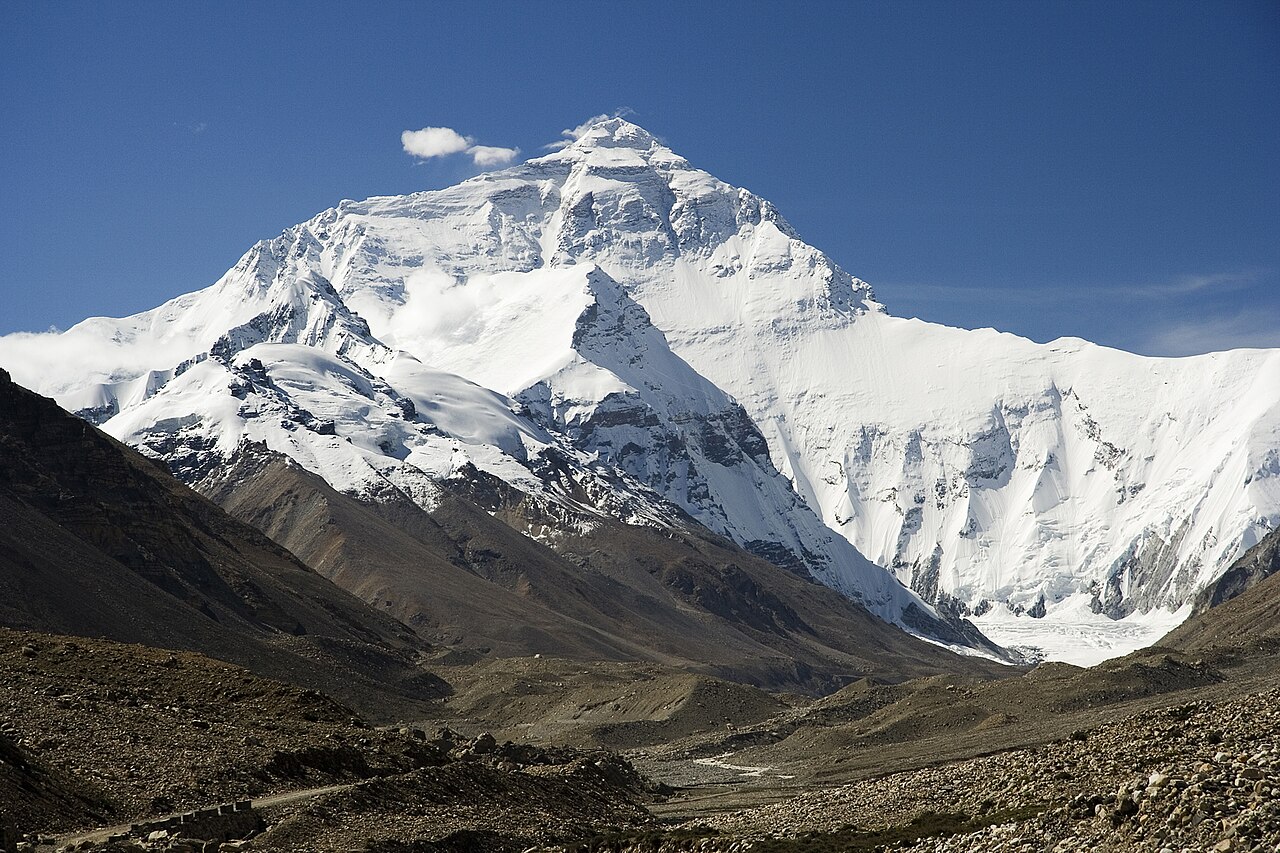


Geography and environment
Tibet occupies much of the Tibetan Plateau, often called the "roof of the world" for its very high average elevation. The region contains parts of the Himalaya and other major mountain ranges, with some of the globe's highest peaks on or near its margins. Major rivers that originate on the plateau supply water to large parts of Asia, giving Tibet strategic hydrological importance. Its climate ranges from cold, arid steppe to glaciated high mountains, supporting distinctive alpine ecosystems and pastoral livelihoods.
History and political development
The area historically experienced a succession of Tibetan polities, religious institutions and varying degrees of contact with neighboring empires. Lhasa developed as a seat of Tibetan Buddhist authority. In the 20th century the region's relationship with the emerging Chinese state changed significantly; since the 1950s it has been administered by the central government of the PRC, and the Tibet Autonomous Region was established as an administrative unit in the 1960s. Discussions about governance, cultural rights and autonomy have been subjects of sustained international attention and debate.
Culture, religion and society
Tibetan culture is marked by Tibetan Buddhism, monastic centers, ritual arts such as thangka painting, distinctive music and festivals. The Tibetan language is written using its own script and has several regional varieties. Monasteries, pilgrim routes and sacred sites such as the Potala and Jokhang in Lhasa remain important to local religious life and attract visitors from elsewhere.
Economy, transport and conservation
The traditional economy combined pastoralism (yak and sheep herding) with high‑altitude agriculture in valleys. In recent decades there has been development of roads, rail links and urban infrastructure, growth in tourism, and expansion of resource extraction and hydroelectric projects. These changes have raised opportunities and also environmental and social concerns, including preservation of fragile ecosystems and cultural heritage.
Notable facts and distinctions
- Known as the Tibetan Plateau, it is one of the world's largest and highest plateaus.
- It plays a crucial role as a water source for much of Asia and contains diverse high‑altitude biodiversity.
- Cultural Tibet extends beyond the administrative Tibet Autonomous Region into adjacent areas with Tibetan populations.
The term "Tibet" therefore covers geographic, cultural and administrative meanings; understanding the region benefits from attention to its environment, religious traditions, historical experience and contemporary political context.
Questions and answers
Q: What is the Xizang Autonomous Region also known as?
A: The Xizang Autonomous Region is also known as the Tibet Autonomous Region (TAR).
Q: What country does the Xizang Autonomous Region belong to?
A: The Xizang Autonomous Region belongs to the People's Republic of China (PRC).
Q: What is the capital of the Xizang Autonomous Region?
A: The capital of the Xizang Autonomous Region is Lhasa.
Q: How do English speakers often refer to this region?
A: English speakers often refer to this region as Tibet.
Q: Does "Tibet" only refer to this particular autonomous region?
A: No, "Tibet" can also mean any place where Tibetan culture is local to.
Related articles
Author
AlegsaOnline.com Tibet (Xizang) — the Tibetan Plateau, culture and the autonomous region Leandro Alegsa
URL: https://en.alegsaonline.com/art/99766
Sources
- unomaha.edu : "Journal of Religion and Film"
- newadvent.org : "CATHOLIC ENCYCLOPEDIA: Extreme Unction"
- iras.ucalgary.ca : "The Tibetan Book of the Dead"
- webcache.googleusercontent.com : "'China becomes Red'"
- crwflags.com : "Tibetan Resistance (Tibet)"
- nytimes.com : "3 Tibetan Herders Self-Immolate in Anti-Chinese Protest"
- savetibet.org : "Tibet activists confront Qian Qichen at State Department"
- sfgate.com : "Train heads for Tibet, carrying fears of change / Migration, tourism likely to increase"
- iht.com : "Ethnic unrest continues in China, International Herald Tribune, April 8,2008"
- savetibet.org : "Personnel Changes in Lhasa Reveal Preference for Chinese Over Tibetans, Says TIN Report"