
Bhutan: The Himalayan Kingdom of Gross National Happiness
Bhutan is a small, landlocked Himalayan kingdom known for its Buddhist culture, constitutional monarchy, unique development philosophy of Gross National Happiness, extensive forests and hydropower exports.
Overview
Bhutan, officially the Kingdom of Bhutan, is a small landlocked country in the eastern Himalaya of South Asia. It occupies a mountainous corridor between the Tibet Autonomous Region of China to the north and the Republic of India to the south, with the Indian state of Sikkim lying nearby. The capital is Thimphu, and the national language is Dzongkha. The modern monarchy is headed by King Jigme Khesar Namgyel Wangchuck, and the country has moved from absolute monarchy toward constitutional monarchy with regular parliamentary elections.
Image gallery
10 Images



Geography, environment and population
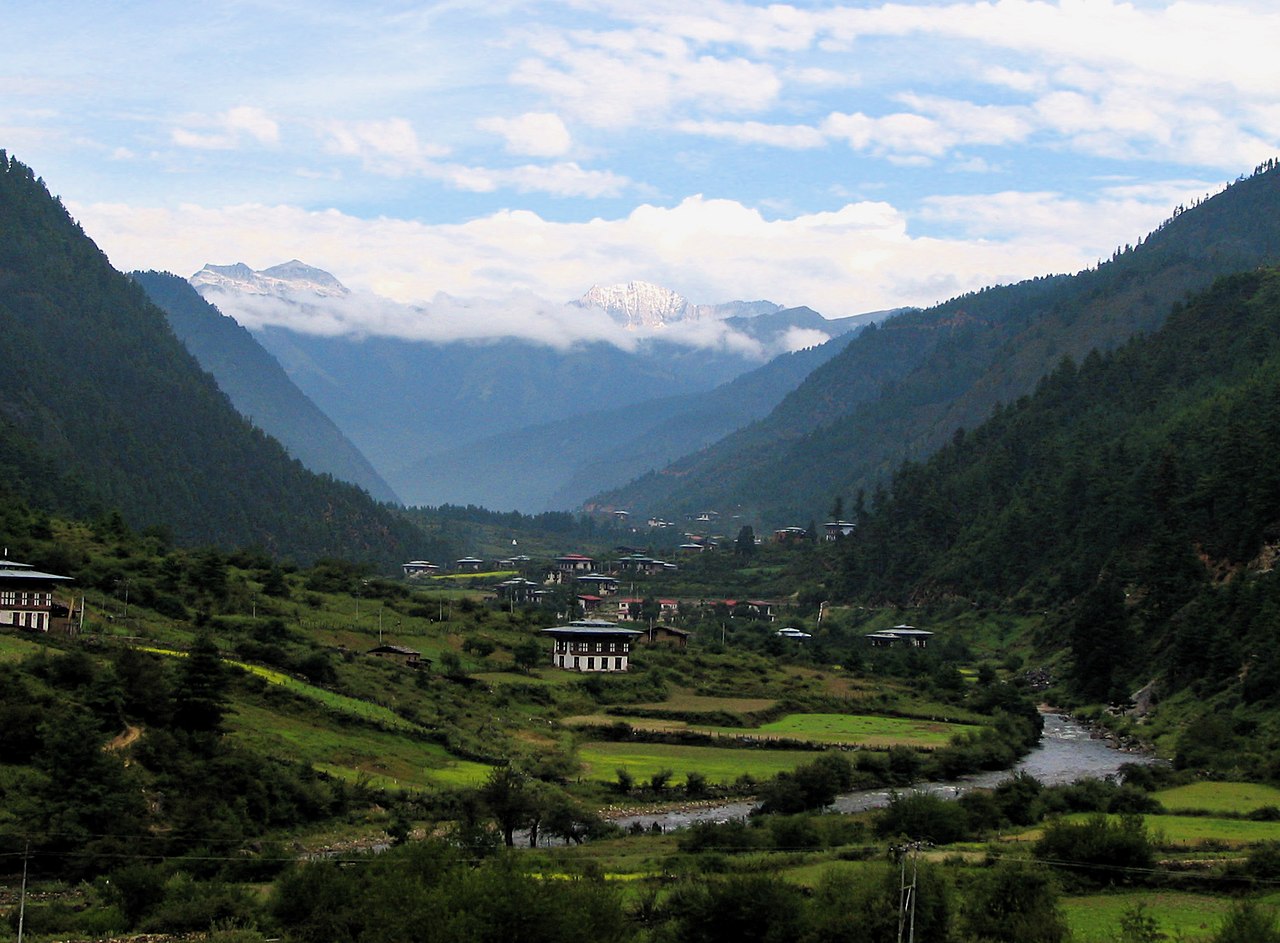
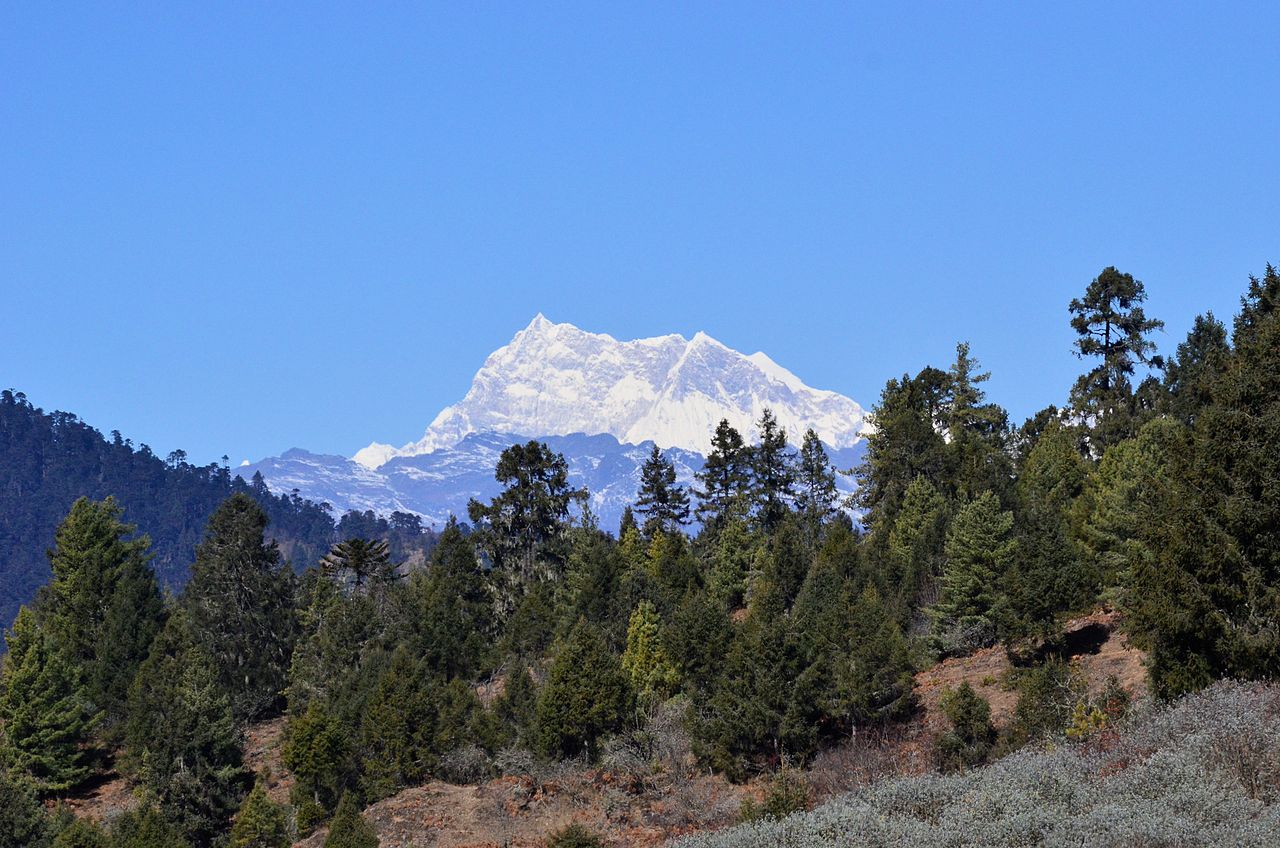
Bhutan's landscape is dominated by steep valleys and high mountain ridges, ranging from subtropical plains in the south to alpine zones and glaciers in the north. Forests cover a large proportion of the territory and are protected by law, which contributes to Bhutan's international reputation for environmental stewardship. The population is small—roughly in the hundreds of thousands—and concentrated in valley towns and the western and central regions. Paro hosts the country’s main international airport, while Thimphu is the political and cultural centre.
History and governance
The consolidated Bhutanese state dates its modern founding to the 17th century under Shabdrung Ngawang Namgyel, who unified regional chieftains and established distinctive administrative and religious institutions. For centuries the country followed a dual system of religious and secular rule. During the 20th and 21st centuries Bhutan gradually opened to outside influences, introduced modern infrastructure, and in 2008 adopted a written constitution that formalized a parliamentary democracy under a constitutional monarchy.
Culture, religion and society
Buddhism—principally the Vajrayana or Tibetan form—shapes much of Bhutanese cultural life, art, festivals, and public architecture. Traditional dress, dzong architecture, and monastic institutions remain prominent. The state promotes cultural preservation alongside measured modernization. The government’s development philosophy, Gross National Happiness, emphasizes sustainable development, cultural preservation, environmental conservation, and good governance.
Economy and international links
Bhutan's economy is small and emerging. Hydropower is a major export sector, with electricity sold principally to India. Agriculture, forestry, and tourism are important domestic industries. The national currency is the Ngultrum, which is closely linked to the Indian rupee. To manage environmental and cultural impact, the country follows a high-value, low-volume tourism policy and controls visitor numbers and fees.
Notable facts and distinctions
- Conservation: Bhutan maintains high forest cover and has received attention for being carbon-neutral or carbon-negative at various times.
- Tourism policy: Visitors typically pay a daily tariff that supports infrastructure and conservation while limiting mass tourism.
- Connectivity: International access is limited; Paro has the main international airport and overland travel normally involves entry from India.
Further reading and resources
For maps, official information, and travel guidance see local government pages, academic overviews and recognized travel advisories. Useful entry points include: general map, regional context, royal household, modern monarchy, independence and sovereignty, Thimphu, Dzongkha language, government portal, cultural resources, Buddhist traditions, Paro airport, Paro district, border with China, Sikkim and neighbours, Nepal and region, hydropower projects, economic data, currency and monetary policy.
This article provides a concise introduction to Bhutan's geography, history, society and contemporary priorities. For academic study, policy analysis or travel planning consult specialized sources and official statements for up-to-date details.
Related articles
Author
AlegsaOnline.com Bhutan: The Himalayan Kingdom of Gross National Happiness Leandro Alegsa
URL: https://en.alegsaonline.com/art/11202
Sources
- dailymail.co.uk : "He's getting so big! Dragon King and Queen of Bhutan take the six-month-old Prince out for official royal visit to his mother's ancestral home Read more: www.dailymail.co.uk/femail/article-3734754/Dragon-King-Queen-Bhutan-six-month-old-Prince-official-royal-visit-mother-s-ancestral-home.html#ixzz4OYCDysSi Follow us: @MailOnline on Twitter"
- unstats.un.org : "Population and Housing Census of Bhutan — 2005"
- imf.org : "Bhutan"
- hdr.undp.org : "Human Development Report 2009. Human development index trends: Table G"
- unhchr.ch : "Treaty Bodies Database – Document – Summary Record – Bhutan"
- esa.un.org : "World Population Prospects"
- atimes.com : "Bhutan Army Sees Action at Last"