
Rhenium (element Re)
Rhenium is a rare, silvery-white transition metal (Re, atomic number 75) with an exceptionally high melting point. It is used mainly in jet-engine superalloys and as a catalyst in petrochemical processes.
Overview
Rhenium is a dense, silvery-white transition metal with the chemical symbol Re and atomic number 75. It is among the rarest stable elements in Earth’s crust and is valued for unusually high melting and boiling points, good mechanical strength at elevated temperatures, and versatile chemistry. Rhenium typically occurs only in trace amounts in ores of other metals and is produced as a by-product of processing.
Image gallery
8 Images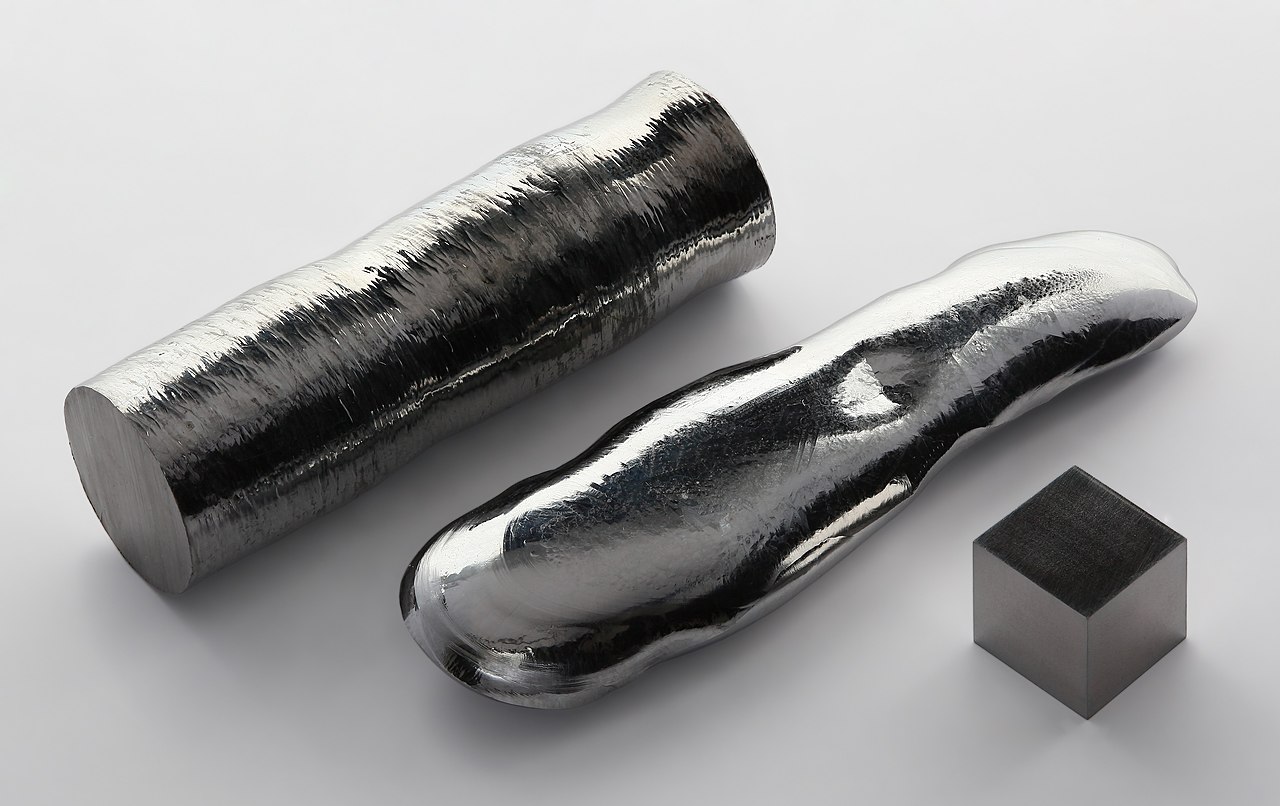






History and naming
Rhenium was identified in the early 20th century and is conventionally credited as discovered in 1908. The element was named after the river Rhine in Europe. Its late discovery among stable elements reflected its scarcity and the analytical challenges of separating trace metals from complex mineral matrices.
Physical and chemical properties
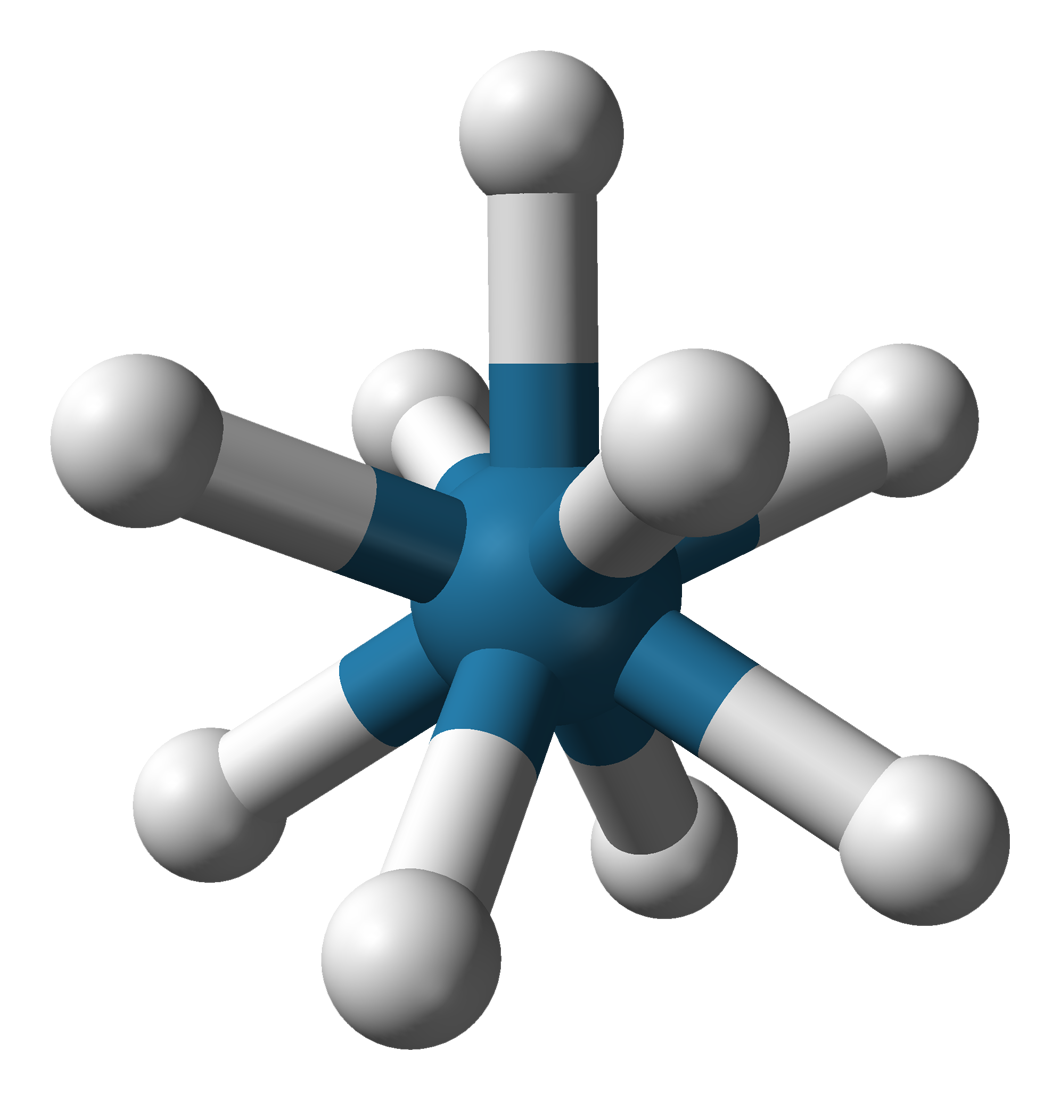
Rhenium is a refractory metal with one of the highest melting points of all elements and a high density. It is ductile in pure form and forms a variety of oxidation states, the most common being +7 in the perrhenate ion. Rhenium forms oxides, halides and organometallic complexes; its electron configuration and d-orbitals give it rich coordination and catalytic chemistry that shows similarities to manganese while exhibiting heavier-metal behavior.
Occurrence and production
Rhenium is not commonly mined as a primary ore. Commercial rhenium is recovered as a by-product during the processing of molybdenum and copper ores, particularly from molybdenite concentrates. Recovery typically involves roasting sulfide concentrates, extracting rhenium into solution, and isolating it by precipitation and refining. Limited production and concentration of sources contribute to its strategic economic role.
Major applications
- Superalloys: The largest use of rhenium is in small additions to nickel-based superalloys, where it markedly improves creep resistance and high-temperature strength. Such alloys are critical in combustion chambers, turbine blades, and exhaust nozzles of modern jet engines (superalloys, turbine parts).
- Catalysis: Rhenium compounds and supported rhenium catalysts are important in petroleum refining and fine chemical synthesis, especially for hydrogenation and hydroisomerization reactions (hydrogenation, isomerization).
- Specialty alloys and research: Rhenium is used in certain molybdenum and manganese alloys and in experimental materials; some rhenium–molybdenum alloys display superconducting behavior under defined conditions (manganese alloys, superconductors).
Catalytic and organometallic chemistry
Rhenium forms well-characterized oxo-species and organometallic compounds that serve as homogeneous catalysts for oxidation, dehydrogenation and other transformations. The perrhenate ion and oxides figure prominently in both heterogeneous catalyst supports and soluble catalyst systems. Because of its multiple accessible oxidation states, rhenium offers flexibility in redox processes used in industrial chemistry.
Economics, supply and recycling
Because primary rhenium production depends on molybdenum and copper mining, supply can fluctuate with those markets. Recycling of rhenium from spent turbine blades and used catalysts is a significant secondary source and helps stabilize supply for aerospace and petrochemical sectors. The limited natural abundance and strategic demand contribute to its relatively high market value compared with many base metals.
Safety and handling
Elemental rhenium metal is considered to have low chemical reactivity under normal conditions, but some rhenium compounds (especially volatile or dust-form forms) can pose inhalation risks and require standard industrial hygiene controls. Material safety data and workplace regulations guide handling, storage and disposal.
Further resources
For concise summaries and technical data see general element references and materials handbooks (element overview, rare metals, transition metals). Information on ores and extractive metallurgy is available in mining literature (by-product recovery, molybdenum processing). For applied materials science consult sources on nickel alloys and turbine materials (nickel alloys, aircraft propulsion). Detailed reviews treat catalytic applications and organometallic chemistry (comparative manganese chemistry, isomerization overview).
Additional topical entries and reviews: atomic data · turbine materials · hydrogenation catalysts · alloy applications · superconducting alloys
Related articles
Author
AlegsaOnline.com Rhenium (element Re) Leandro Alegsa
URL: https://en.alegsaonline.com/art/82491