
Transition metals: d‑block elements — properties, classification, and applications
Overview of transition (d‑block) metals: classification debates, common physical and chemical properties, oxidation states and coordination chemistry, and key biological, catalytic and industrial applications.
Transition metals are the set of metallic elements located near the center of the periodic table. They sit between the alkaline earth metals — which begin with beryllium — and the elements of the boron group. The name “transition element” was introduced in 1921 to describe these central metals.
Image gallery
7 Images
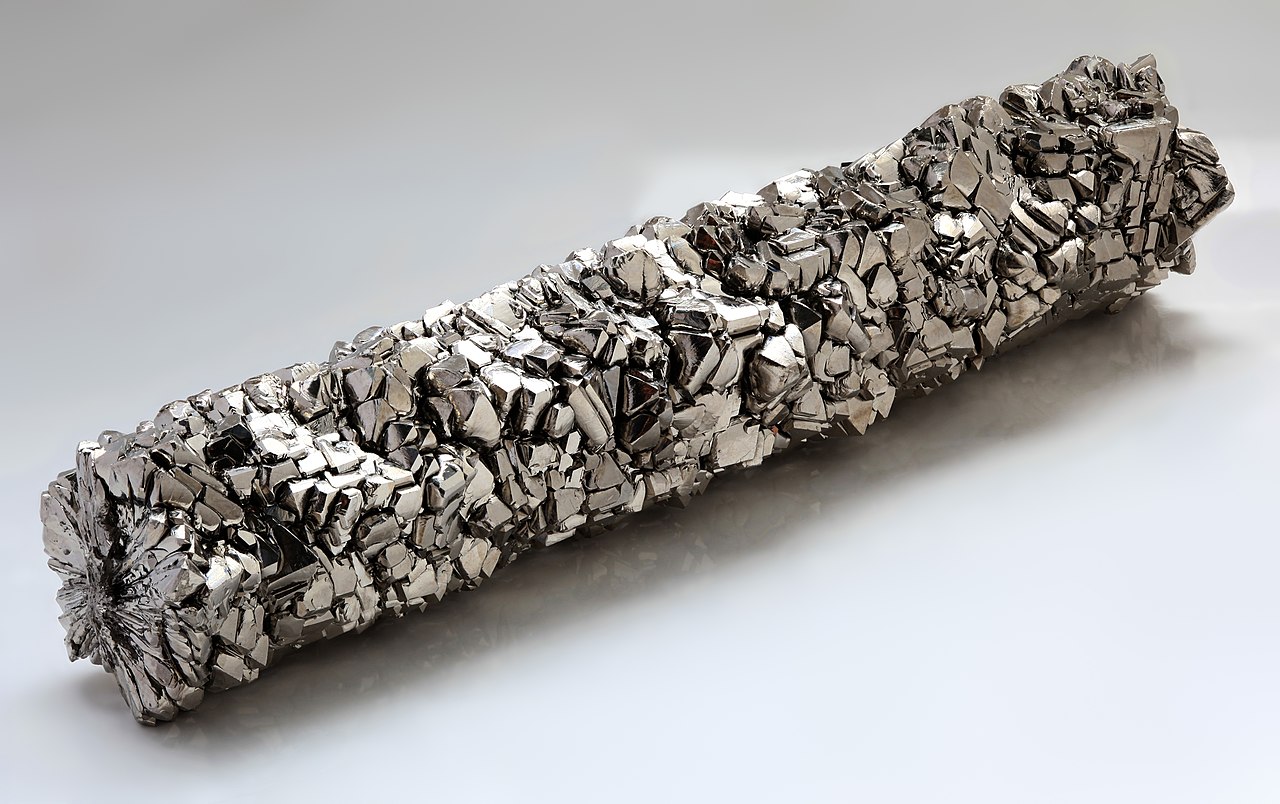
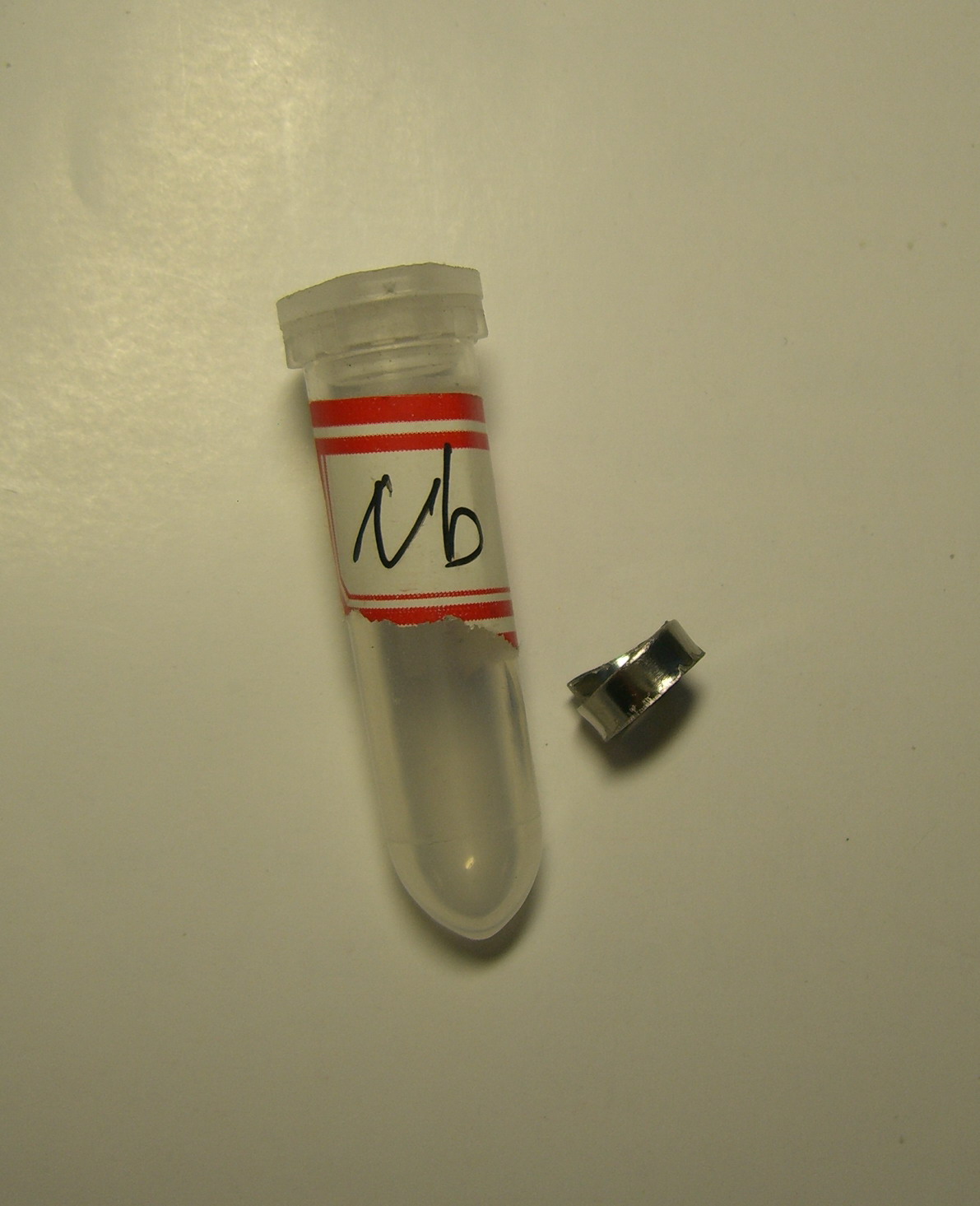


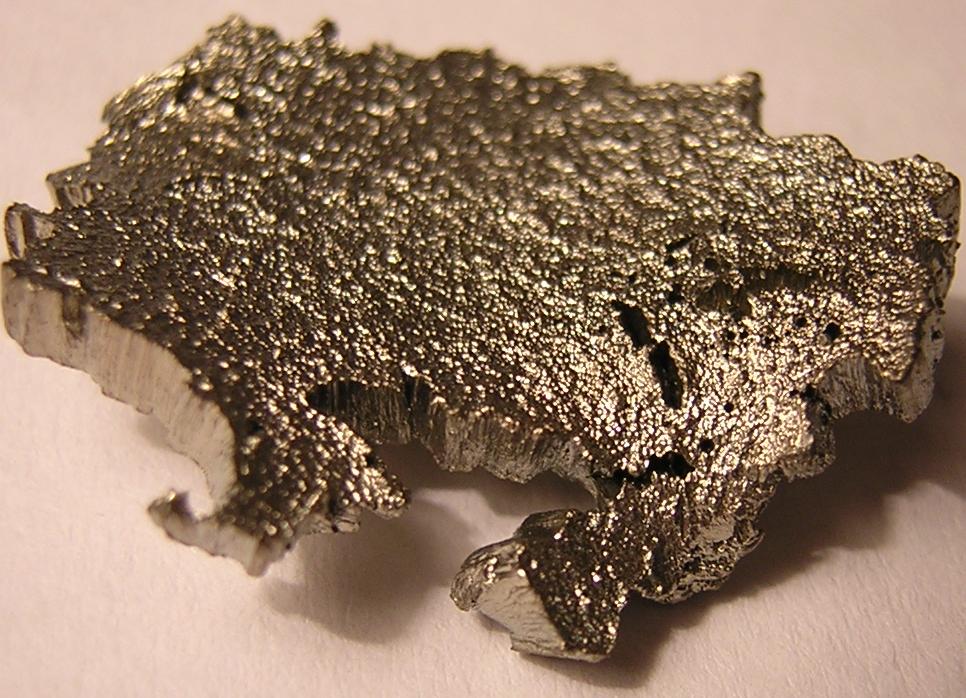

Which elements are included
In modern usage the transition metals are the d‑block elements, roughly the elements in groups 3–12. The range of atomic numbers that are commonly treated as transition metals includes the d‑block sequence such as 21–30 and 39–48; some lists also treat certain elements with atomic numbers near the start of the f‑block as borderline cases (for example 57 or 89), and the sequence continues through higher d‑block elements up to about 104–112.
Certain elements are the subject of classification debate. For example, Zn, Cd and Hg have filled d‑shells in their common oxidation states and are sometimes considered separately as post‑transition metals. The placement of La and Ac in group 3 is disputed: La and Ac are often assigned instead to the lanthanide series and the actinide, respectively, in alternate arrangements of the table.
Typical physical and chemical properties
- Compared with the alkaline earth metals, transition metals tend to be harder and less chemically reactive; they are generally harder than many of the post‑transition metals.
- Compounds of transition metals are known for vivid colors; their ability to form a variety of coordination complexes leads to colorful chemical compounds.
- Many transition metals exhibit multiple stable oxidation states, which is important in redox chemistry and catalysis.
- As metals, they conduct heat and electricity and are good electrical conductors.
Biological and practical significance
A number of transition metals are biologically essential or technologically important. Dietary minerals such as zinc and chromium are required in trace amounts for human health, and iron (another transition metal) is central to oxygen transport in blood. Other transition metals are toxic: exposure to cadmium or mercury can cause serious health problems. Some noble transition metals, for example gold, are chemically inert and have long been used for jewelry, electronics and corrosion‑resistant applications.
There are more transition metals than any single group of elements on the periodic table, which contributes to their wide range of behaviors and uses. Only a minority show a distinctly colored metallic appearance; many transition metals appear silver‑gray or bluish‑silver in bulk.
Zinc
Scandium
Manganese
Titanium
Niobium


Related articles
Author
AlegsaOnline.com Transition metals: d‑block elements — properties, classification, and applications Leandro Alegsa
URL: https://en.alegsaonline.com/art/101163