
Superalloy: high-temperature, corrosion-resistant metal alloys for demanding applications
Superalloys are high-performance metal alloys engineered for strength, creep resistance and oxidation resistance at elevated temperatures; widely used in aerospace, power generation and industry.
Superalloy is the common name for a class of engineered metal alloys designed to retain strength, resist deformation and withstand corrosive or oxidative environments at high temperatures. The phrase high-performance alloy highlights their intended application, while the underlying material is a metal matrix tailored by careful alloying and processing. Superalloys are essential where ordinary steels or nickel alloys would soften, corrode, or creep under service conditions.
Image gallery
5 Images


Key characteristics
Superalloys combine several properties that make them suitable for extreme environments. Typical features include:
- Exceptional resistance to elevated temperatures and long-term creep (high-temperature resistance).
- Good resistance to oxidation and corrosion in aggressive atmospheres (corrosion/oxidation).
- Microstructural stability so that hardening phases and grain structure persist under thermal exposure.
- Fatigue resistance under cyclical thermal and mechanical loading.
Composition and microstructure
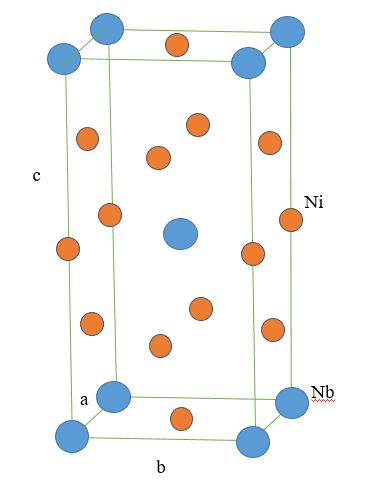
Most commercial superalloys are nickel-based, with chromium, cobalt, aluminium, titanium, molybdenum, tungsten, tantalum, niobium and sometimes rhenium added to improve oxidation resistance and high-temperature strength. Cobalt-based and iron-based superalloys exist for specialized needs. A defining microstructural feature in many nickel superalloys is the coexistence of a ductile matrix phase and a coherent, ordered precipitate phase (commonly called gamma and gamma prime) that provides precipitation strengthening.
Manufacture, processing and coatings
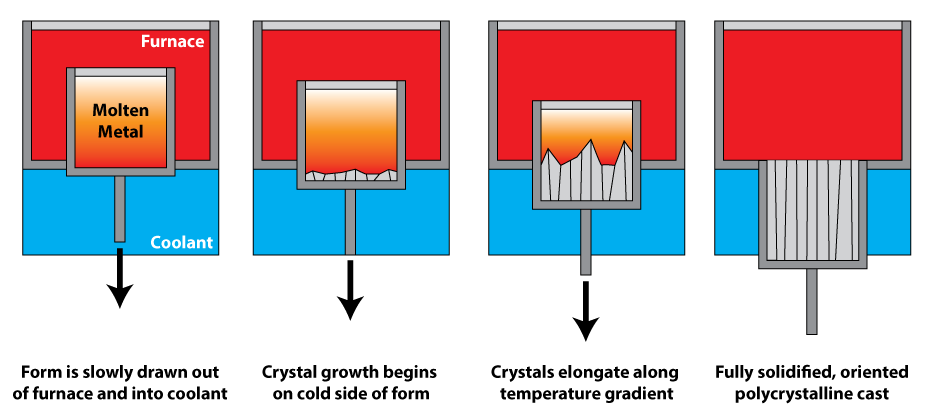
Production routes include investment casting, directional solidification, single-crystal casting, forging and powder metallurgy. Heat treatments and surface coatings—such as thermal barrier coatings and diffusion aluminides—are applied to extend life in oxidizing and corrosive environments. These processing routes are critical to control grain structure, eliminate casting defects and maximize performance.
Uses, importance and examples
Superalloys were developed for and remain central to high-temperature rotating machinery. They are used in jet engines and gas turbines, where turbine blades, vanes and combustor components must operate reliably at a large fraction of the melting temperature of the metal. Roughly three quarters of superalloy production supports aerospace applications; other uses include industrial gas turbines, heat exchangers, chemical process equipment and certain medical implants made from cobalt-chromium alloys.
History and notable facts
The term "superalloy" gained currency after World War II as jet propulsion and high-temperature power generation advanced rapidly. Over subsequent decades alloy chemistry, single-crystal manufacturing and protective surface systems improved service temperatures and component lives. Trade-offs remain: these alloys are costly, often contain scarce elements, and require specialized repair and recycling methods. Ongoing research focuses on reducing reliance on rare elements, improving thermal barriers and extending lifetimes under combined mechanical and corrosive stresses.
For further technical detail, metallurgy references and standards can be consulted through technical resources and materials databases (overview, materials, properties, corrosion, history, turbomachinery, gas turbines, aerospace applications).
Questions and answers
Q: What is a superalloy?
A: A superalloy, also known as a high-performance alloy, is a metal alloy that possesses superior resistance to high temperatures and corrosion or oxidation.
Q: When was the term "superalloy" first coined?
A: The term "superalloy" was first used after World War II.
Q: What were superalloys developed for originally?
A: Superalloys were developed for use in jet engines and gas turbines due to their high-temperature and corrosive resistance properties.
Q: What percentage of superalloys are used in aerospace engineering?
A: Approximately 75% of superalloys are used in aerospace engineering.
Q: What are the key characteristics of superalloys?
A: The key characteristics of superalloys include excellent resistance to high temperatures and corrosion or oxidation.
Q: What is the purpose of superalloys in jet engines and gas turbines?
A: Superalloys are used in jet engines and gas turbines due to their superior high-temperature and corrosive resistance properties, helping these devices perform more effectively.
Q: What is the main application of superalloys?
A: The main application of superalloys is in aerospace engineering due to their outstanding ability to withstand harsh environments.
Related articles
Author
AlegsaOnline.com Superalloy: high-temperature, corrosion-resistant metal alloys for demanding applications Leandro Alegsa
URL: https://en.alegsaonline.com/art/95026
Sources
- nickelinstitute.org : "High Nickel Alloys & Superalloys"
- tms.org : "Superalloys: A Primer and History"
- azom.com : "Superalloys - An Introduction"