
Chemical element
A chemical element is a pure substance whose atoms share the same number of protons; elements form the periodic table and are the basic building blocks of matter and materials.
A chemical element is a pure substance made of atoms that all have the same number of protons in their nuclei. This defining number is called the atomic number. Atoms themselves are complex: a typical description cites a nucleus of protons and neutrons surrounded by electrons; introductory material often treats the parts separately (atoms, neutrons, electrons). Saying a substance contains only one type of atom means all atoms in that substance have the same proton count (definition, type of atom).
Image gallery
10 Images
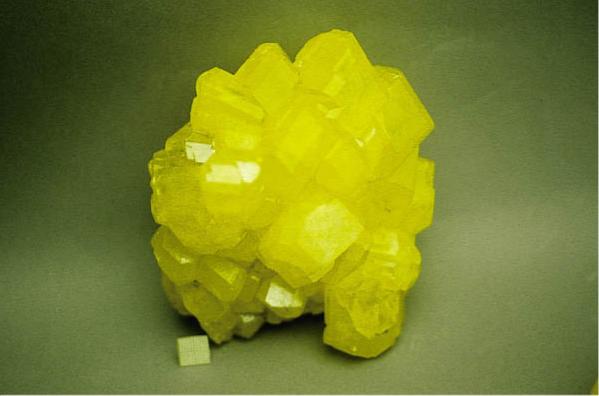


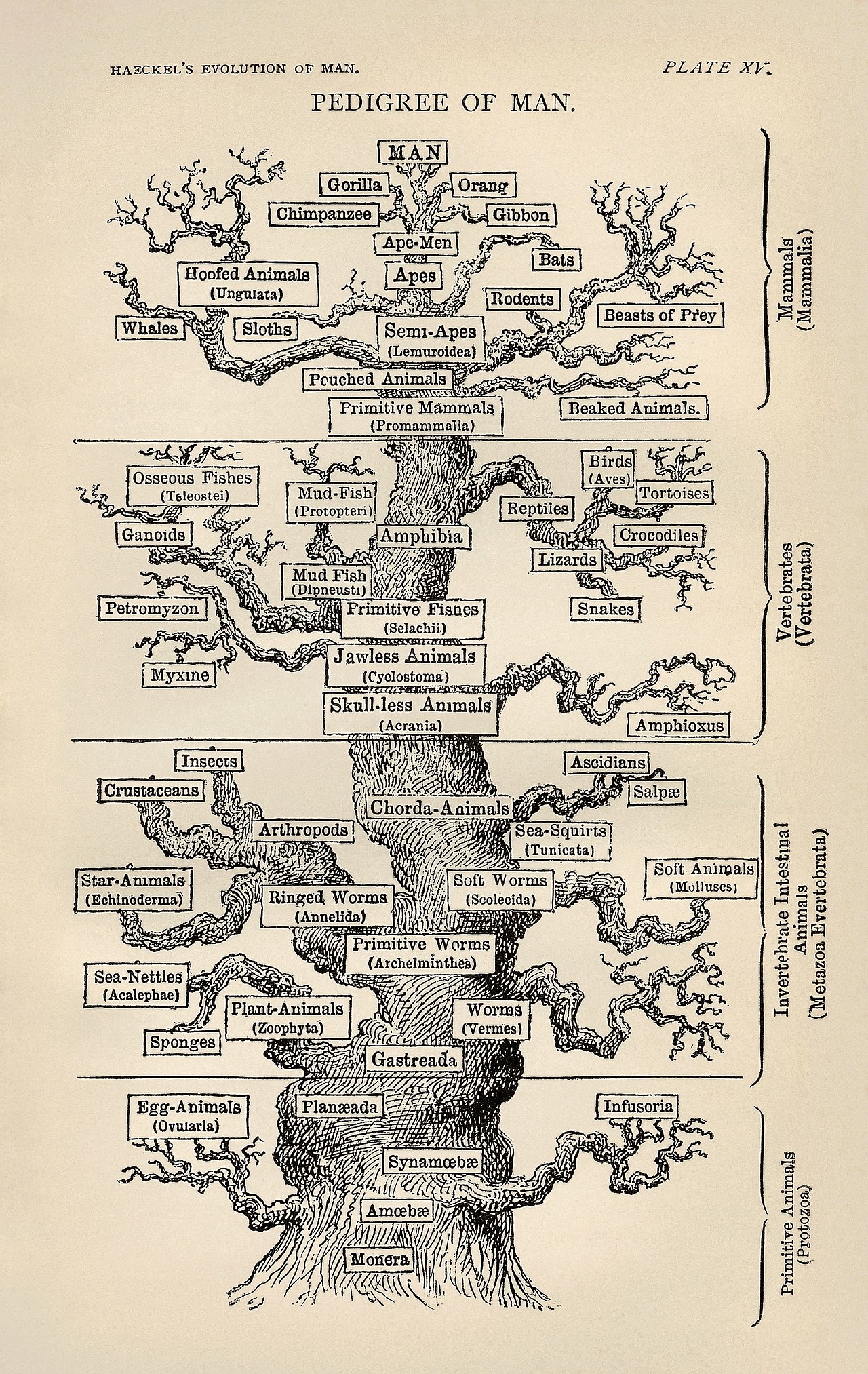
Atomic structure and properties
The proton count determines the element's identity and contributes to its electric charge of the nucleus; in a neutral atom the proton number equals the number of orbiting electrons, which largely controls chemical behavior. Atoms of the same element can vary in neutron number: such variants are called isotopes. Some isotopes are stable, others are radioactive and undergo nuclear decay. When atoms gain or lose electrons they become ions and may show very different chemistry from their neutral forms (ionization).
Classification and examples
Elements are grouped according to shared physical and chemical characteristics. Broad categories include metals, nonmetals and metalloids. More specific families appear in the periodic organization, such as the noble gases, alkali metals and transition metals. Well-known examples illustrate the idea: carbon forms the basis of organic chemistry, while uranium is notable for its nuclear properties. A substance containing two or more different element types is a compound, and the smallest particle of many compounds is the molecule. A mixture contains more than one substance without fixed chemical bonds.
- Metals: typically conductive, malleable and lustrous; many form positive ions in solution.
- Nonmetals: exhibit varied appearance and reactivity; include gases, solids and a few liquids.
- Metalloids: have intermediate properties and are important in semiconductor technology.
Periodic table and number of elements
The periodic table arranges elements in a grid that highlights periodic trends in electron configuration and chemical behavior. Modern chemistry recognizes 118 confirmed elements (118 elements). Of these, most up to element 92 can be found naturally (natural elements), while heavier elements have been created in laboratories by nuclear reactions or particle accelerators (laboratory synthesis).
History and discovery
Humans have long known several elements—such as iron, gold and carbon—and gradually identified many others over centuries of chemical study. The discovery of heavy naturally occurring elements like uranium extended understanding of radioactivity and nuclear science. In the 20th century, scientists produced the first artificially created elements; the first element made and identified by synthesis was technetium, and subsequent work produced transuranium elements that do not occur in measurable amounts in nature.
Occurrence and biological significance
Elements occur in the Earth and its atmosphere at widely varying abundances. A relatively small set of elements is especially important to living organisms: proteins, nucleic acids, fats and minerals depend on elements such as carbon, hydrogen, oxygen, nitrogen, phosphorus and several metals. In humans and many other organisms, roughly two dozen elements play direct structural or metabolic roles; others are present only in trace amounts. The availability and chemical form of an element influence its biological role and potential toxicity.
Uses and technological importance
Knowledge of individual element properties guides materials selection, chemical synthesis and industrial processing. Elements are central to fields ranging from construction (iron, aluminum) and electronics (silicon, copper) to medicine (radioisotopes, platinum drugs) and energy (uranium for nuclear power, lithium for batteries). The controlled production of synthetic elements extends basic knowledge of nuclear forces and can lead to practical isotopes for research or medicine.
Learning more
For detailed, element-by-element information consult reference compilations and educational resources that list atomic numbers, isotopes, common oxidation states and typical compounds. Introductory readings explain how atomic structure leads to periodic trends and reactivity, while specialized texts discuss nuclear properties and synthetic routes. See also summaries on definitions, types of atoms, atoms overview, neutrons, electrons, atomic number, carbon, uranium, isotopes, electric charge, ionization, compounds, mixtures, molecules, element lists, occurrence, synthetic elements, technetium, periodic organization.
Questions and answers
Q: What is a chemical element?
A: A chemical element is a substance that is made up of only one type of atom.
Q: What are atoms composed of?
A: Atoms are made up of protons, neutrons, and electrons.
Q: What determines the number of protons in an atom?
A: The number of protons in an atom is called the atomic number.
Q: How many different elements are known to modern chemistry?
A: 118 different chemical elements are known to modern chemistry.
Q: How many natural elements can be found in nature?
A: 92 of these elements can be found in nature.
Q: When was the last natural element discovered?
A: The last natural element discovered was uranium, in 1789.
Q: How does the periodic table help us understand properties between elements?
A: Where the elements are in the table tells us about their properties relative to the other elements.
Tags
Related articles
Author
AlegsaOnline.com Chemical element Leandro Alegsa
URL: https://en.alegsaonline.com/art/19169
Sources
- chemicalelements.com : "Periodic Table: Uranium"
- bbc.co.uk : "BBC Bitesize: Science: Chemical and material behaviour: Atoms and elements: Chemical symbols"