
Rhodium: properties, occurrence, uses, and market significance
Rhodium (Rh, atomic number 45) is a rare, silvery transition metal of the platinum group used chiefly as a catalytic material, for plating and alloys, and valued for its scarcity and stability.
Overview
Rhodium is a chemical element with the symbol Rh and atomic number 45. It is a rare, hard, silver-white metal classified among the transition metals and belonging to the platinum group. Its combination of high reflectivity, corrosion resistance and catalytic activity makes it important in industrial processes and specialist applications. For general reference on its chemistry see entries about the chemical element.
Image gallery
10 Images





Physical and chemical characteristics
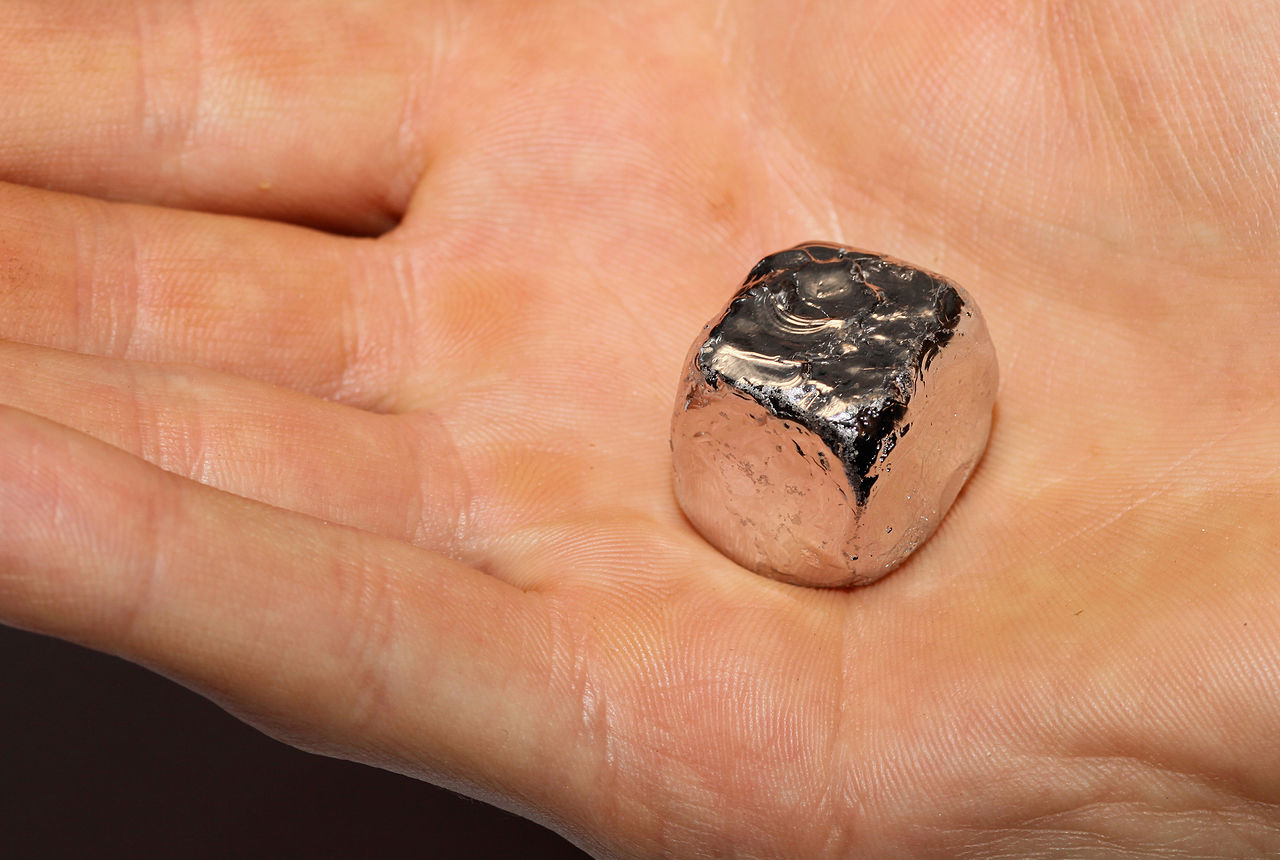
Rhodium is bright and highly reflective, and it maintains its appearance because it is resistant to oxidation and corrosion in air at ordinary temperatures. It has a high melting point and is mechanically hard compared with many other precious metals. Chemically it is relatively inert but forms coordination compounds and organometallic catalysts that are widely used in synthesis and industrial chemistry. Because it occurs at low concentrations in the Earth's crust it is commonly described as a rare metal.
Occurrence and extraction
Rhodium is not commonly found in native form; it is typically present in small amounts in ores that also contain platinum and palladium. It is recovered as a by-product of the refining of platinum-group metals and of nickel and copper sulfide ores. Major sources of commercial supply have historically included mining regions with significant platinum-group metal deposits. The element is separated from complex mixtures of noble metals using a sequence of chemical and electrochemical refining steps, often following initial concentration with standard ore-processing techniques and smelting. See also technical summaries on ores and refining.
Production, market and strategic importance
Global production of rhodium is small relative to other industrial metals, and most of the refined metal is produced from a few geographic regions. This concentration of supply, coupled with fluctuating industrial demand—especially from the automotive sector—means that rhodium prices can be highly volatile. Because of its economic role and scarcity it is sometimes treated as a strategic material; recycling of catalytic converters and other sources is an important part of supply management.
Uses and applications
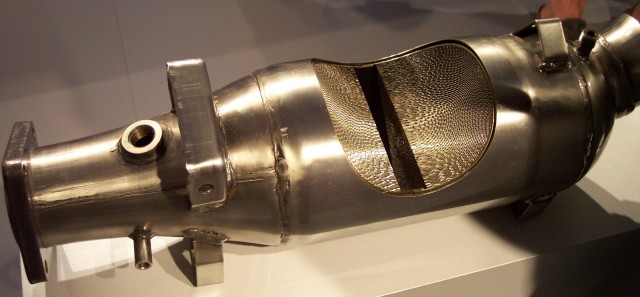
- Automotive catalysts: Rhodium is a key material in three-way catalytic converters, where it promotes reduction of nitrogen oxides (NOx) in exhaust gases.
- Chemical catalysis: It is used in both heterogeneous and homogeneous catalysts for hydrogenation, hydroformylation and other industrial reactions.
- Alloys and surface finishes: Small additions of rhodium improve corrosion resistance and mechanical properties in platinum alloys, and thin rhodium plating is applied to jewelry (notably white gold) and certain optical components to provide a durable, bright finish.
- Electronics and optics: Its electrical conductivity and reflectivity make it useful for electrical contacts, mirrors and some precision instruments.
Recycling and sustainability
Because of its value and limited supply, rhodium is widely recycled from end-of-life catalytic converters and from industrial residues. Recycling reduces reliance on primary mining and is an important aspect of industry supply chains. Efforts to reduce the quantity of platinum-group metals in some applications and to develop alternative catalysts are ongoing in response to market and environmental pressures.
Health, handling and environmental aspects
Metallic rhodium is generally regarded as chemically inert and of low toxicity, but certain soluble rhodium compounds can be hazardous. Industrial handling follows standard precautions for fine metal powders and catalyst materials to limit dust inhalation and environmental release. Disposal and recycling of rhodium-containing wastes are subject to regulations aimed at protecting workers and the environment.
History and notable facts
Rhodium was discovered in the late 18th century and named from a Greek word meaning "rose" because of the characteristic color of some of its salts. It is often listed among the most valuable of the noble metals; market reports commonly describe it as one of the priciest precious metals and note that prices can change sharply. For introductory context on elemental properties and classification consult materials about the chemical element and transition metals.
For further technical or commercial information, readers may consult specialised metallurgy and catalysis literature, trade reports, and regional mining summaries which discuss production, refining and recycling of rhodium in more detail.
Related articles
Author
AlegsaOnline.com Rhodium: properties, occurrence, uses, and market significance Leandro Alegsa
URL: https://en.alegsaonline.com/art/82532
Sources
- taxfreegold.co.uk : Precious Metal Prices Index
- wikidata.org : wikidata.org/wiki/Q1087
- catalogue.bnf.fr : cb12218903f
- data.bnf.fr : (data)
- d-nb.info : 4178038-3
- id.loc.gov : sh85113755
- id.ndl.go.jp : 00569786