
Republic of Venice (Serenissima) — maritime state of medieval and early modern Italy
Mediterranean maritime republic centered on Venice (7th–18th centuries), noted for trade, shipbuilding, unique oligarchic government, artistic legacy, and eventual fall to Napoleon in 1797.
Overview
The Most Serene Republic of Venice is the conventional English name for the medieval and early modern state centered on the city now called Venice. In Italian the polity was known as Serenissima Repubblica di Venezia and in the regional Venetian language as Serenísima Repúblega de Venèsia. It arose in the late 7th century from island communities in the lagoon and persisted into the late 18th century, formally ending in 1797 when forces led by Napoleon dissolved its independence.
Image gallery
10 Images




Geography and economy
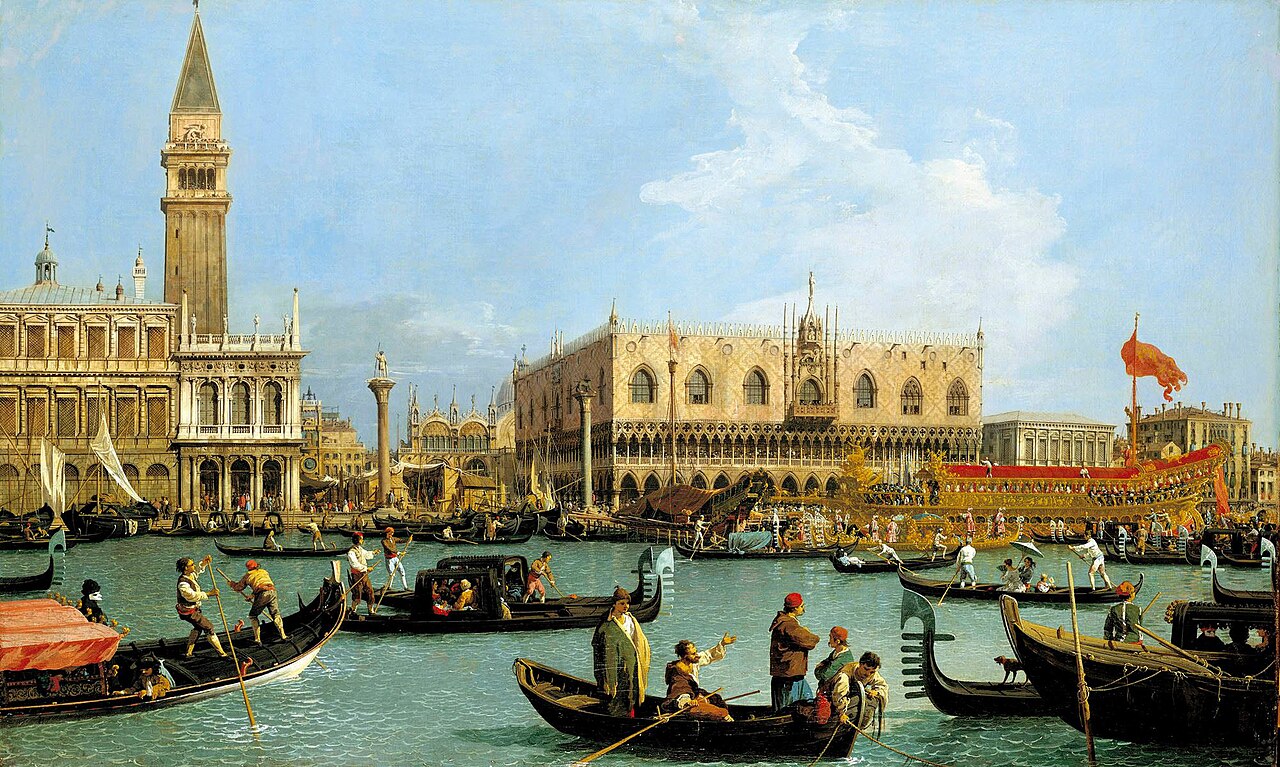
Venice developed on low-lying islands and sandbars within a protected Adriatic lagoon. Its strategic position favoured maritime commerce: merchants, shipwrights and insurers created a complex economy that linked northern Europe with the eastern Mediterranean and the Levant. The republic controlled a string of ports and colonies known as the Stato da Màr and sustained large fleets built in the Arsenal shipyards. Commerce generated considerable wealth, symbolised by widely used coinage such as the gold ducat and by flourishing markets for spices, silk and grain.
Government and institutions
Venice was an oligarchic republic in which a narrow patriciate exercised power. The ceremonial head was the Doge, an elected leader whose authority was limited by written laws and consultative bodies. Key institutions included:
- the Great Council, comprising members of leading families who determined membership of the ruling class;
- the Senate, responsible for foreign policy and economic matters;
- the Council of Ten, created to handle security, intelligence and emergency justice;
- administrative offices such as the Procurators and the commanders of the Arsenal.
History and conflicts
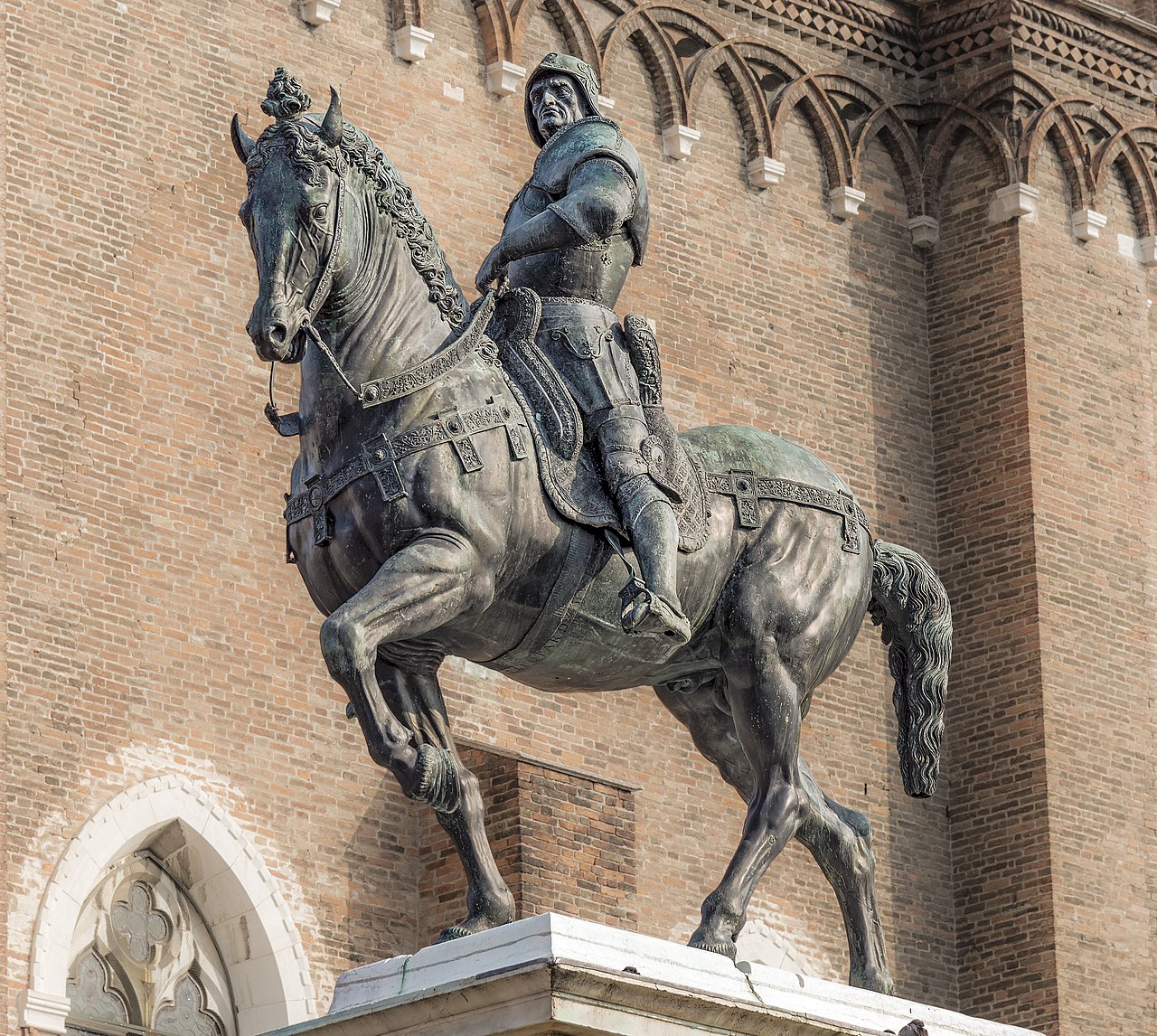
Throughout its history Venice combined commercial diplomacy with military action. It negotiated with and at times resisted the influence of the Catholic Church and authorities in Rome, clashed with Italian rivals and European powers such as Austria, and fought prolonged contests with Ottoman forces and seaborne raiders, including Mediterranean pirates. The 17th century brought calamity: a severe plague outbreak (1630–31) killed tens of thousands and roughly a third of the urban population by some contemporary accounts, weakening the republic's human and economic resources. Military setbacks, including the loss of territories in the eastern Mediterranean such as parts of the Peloponnese, gradually reduced Venetian influence.
Culture and legacy
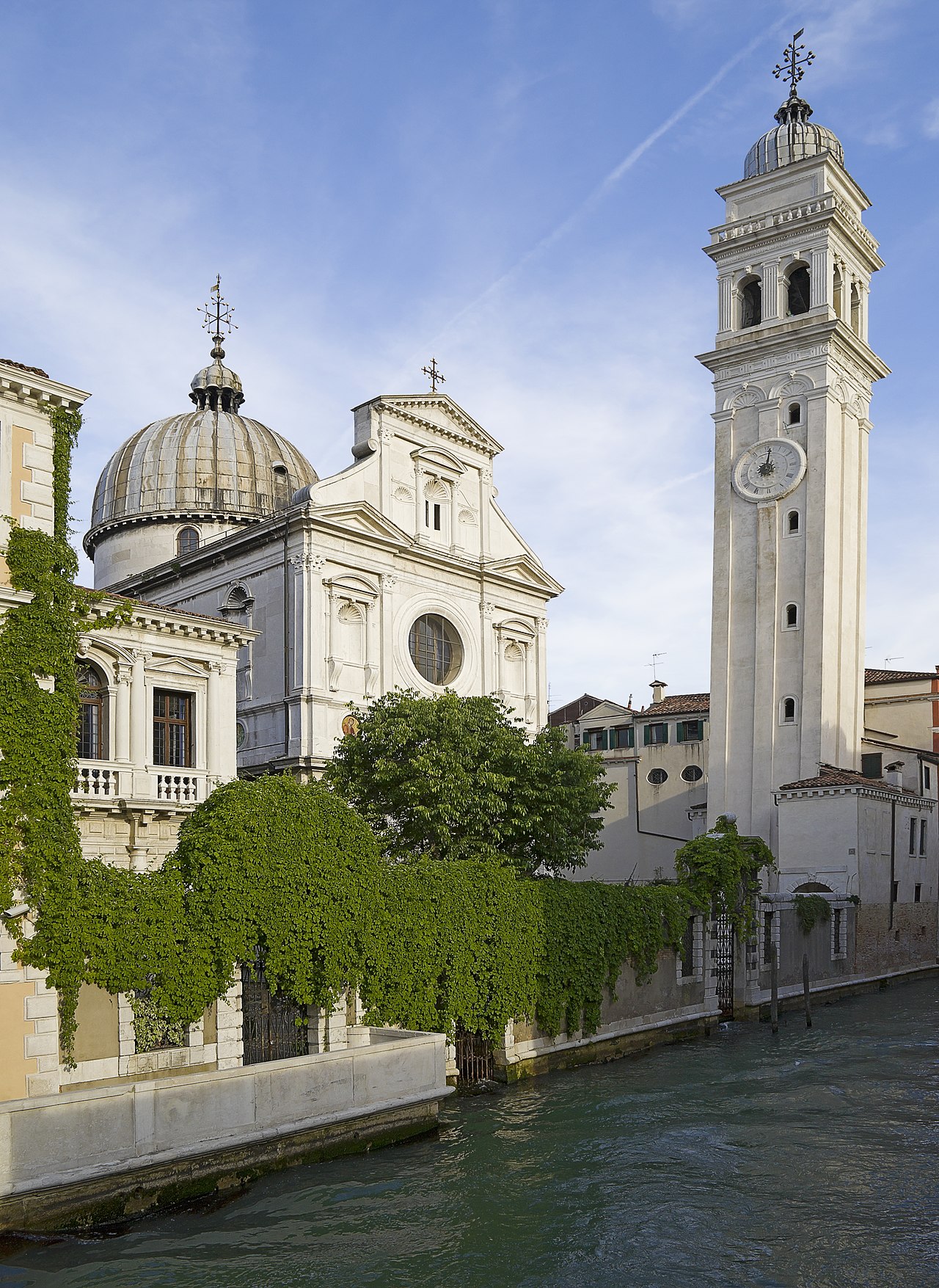
Despite political decline, Venice left a deep cultural imprint. Its distinctive civic rituals, monumental public architecture and patronage helped foster a celebrated school of painting, music and theatre. Venetian legal and commercial practices influenced maritime law across Europe, and its urban landscape—canals, palaces and churches—remains a primary part of European heritage. The republic's fall at the end of the 18th century closed more than a millennium of autonomy, but its artistic and institutional legacy continues to be studied and admired.
Related articles
Author
AlegsaOnline.com Republic of Venice (Serenissima) — maritime state of medieval and early modern Italy Leandro Alegsa
URL: https://en.alegsaonline.com/art/82241