
Doge: the elected chief of the medieval Italian maritime republics
Doge was the title for the elected head of certain medieval Italian republics, most famously Venice and Genoa. It derives from Latin dux and combined ceremonial dignity with limited executive power.
Doge was the title given to the chief magistrate and symbolic ruler of several medieval and early modern Italian city-states. The word comes from a regional Italian dialect form and ultimately from the Latin word dux, meaning "leader". The English word duke and modern Italian duce share the same origin. The plural of the title is often written as dogi or doges.
Image gallery
10 Images


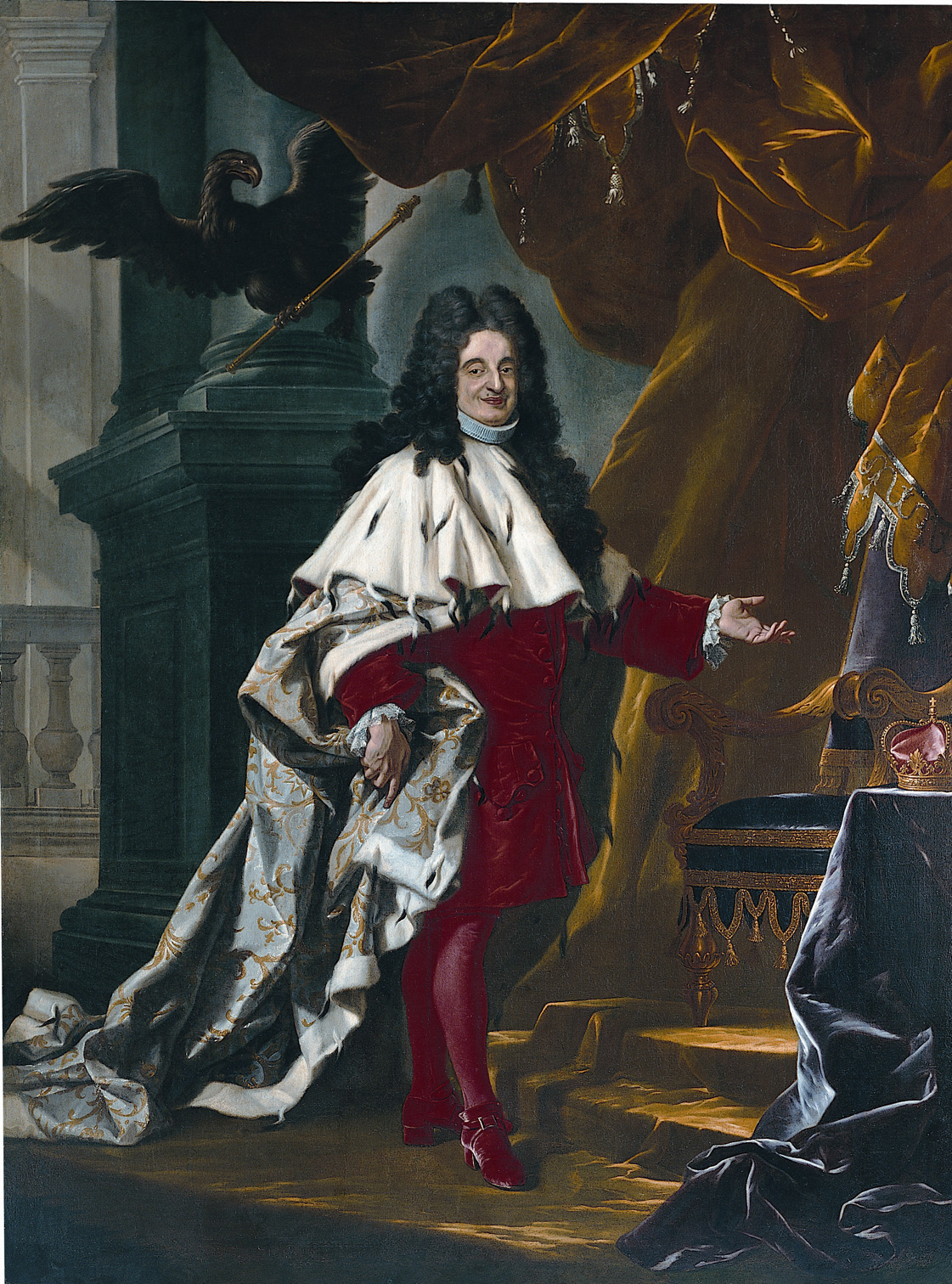
Origins and historical context
The office developed in the context of the independent, commercially oriented Italian city-states that emerged after the fall of the Roman Empire. In many cases the title replaced older military commanders and evolved into a constitutional role within oligarchic republics. It is most closely associated with the maritime powers of the northern Mediterranean: the most famous examples come from Venice and Genoa, though other communes and principalities used similar titles.
Functions, election and limitations
A doge often combined military, diplomatic and ceremonial duties, but the exact powers varied widely between cities and over time. Elections were typically conducted by complex procedures designed to limit factional control and preserve aristocratic balance. Common features included:
- Election or selection by councils composed of leading families or civic bodies, rather than hereditary succession.
- Lifetime tenure in some states, while others imposed fixed terms or frequent renewal.
- Substantial ceremonial prestige accompanied by legal and institutional checks — councils, courts and collegiate magistracies that constrained unilateral action.
Venice and Genoa: contrasting models
Two city-states best illustrate how the office could differ. In Venice the doge became a highly visible symbol of the republic: he presided over rituals, received foreign envoys, and represented state continuity while real policy was shaped by the Great Council and the Senate. Genoa's doges, by contrast, alternated between periods of strong individual rule and moments when the title was more strictly limited or rotated frequently. Each city adapted the role to its commercial networks, political culture and threats.
Decline, legacy and modern references
The power of doges waned as larger territorial states and foreign dynasties expanded in Italy; by the modern era many doges were constitutional figureheads. The historical office left a lasting mark on civic ritual, art and architecture in places like Venice. In contemporary culture the word "Doge" has an additional life as the name of a widely known internet meme (featuring a Shiba Inu dog) and as the inspiration for the cryptocurrency Dogecoin; these modern uses draw only their name, not the historical functions of the medieval office.
For further reading on terminology, political structures and the best-known examples from the Italian city-states, see sources linked here: regional forms, heads of state, Italian city-states, the principal maritime republics of Venice and Genoa.
Related articles
Author
AlegsaOnline.com Doge: the elected chief of the medieval Italian maritime republics Leandro Alegsa
URL: https://en.alegsaonline.com/art/28187