
Venetian language
A Romance language of the Veneto region and the former Republic of Venice, Venetian (vèneto) has distinct grammar, vocabulary and regional varieties, with communities in Italy and abroad.
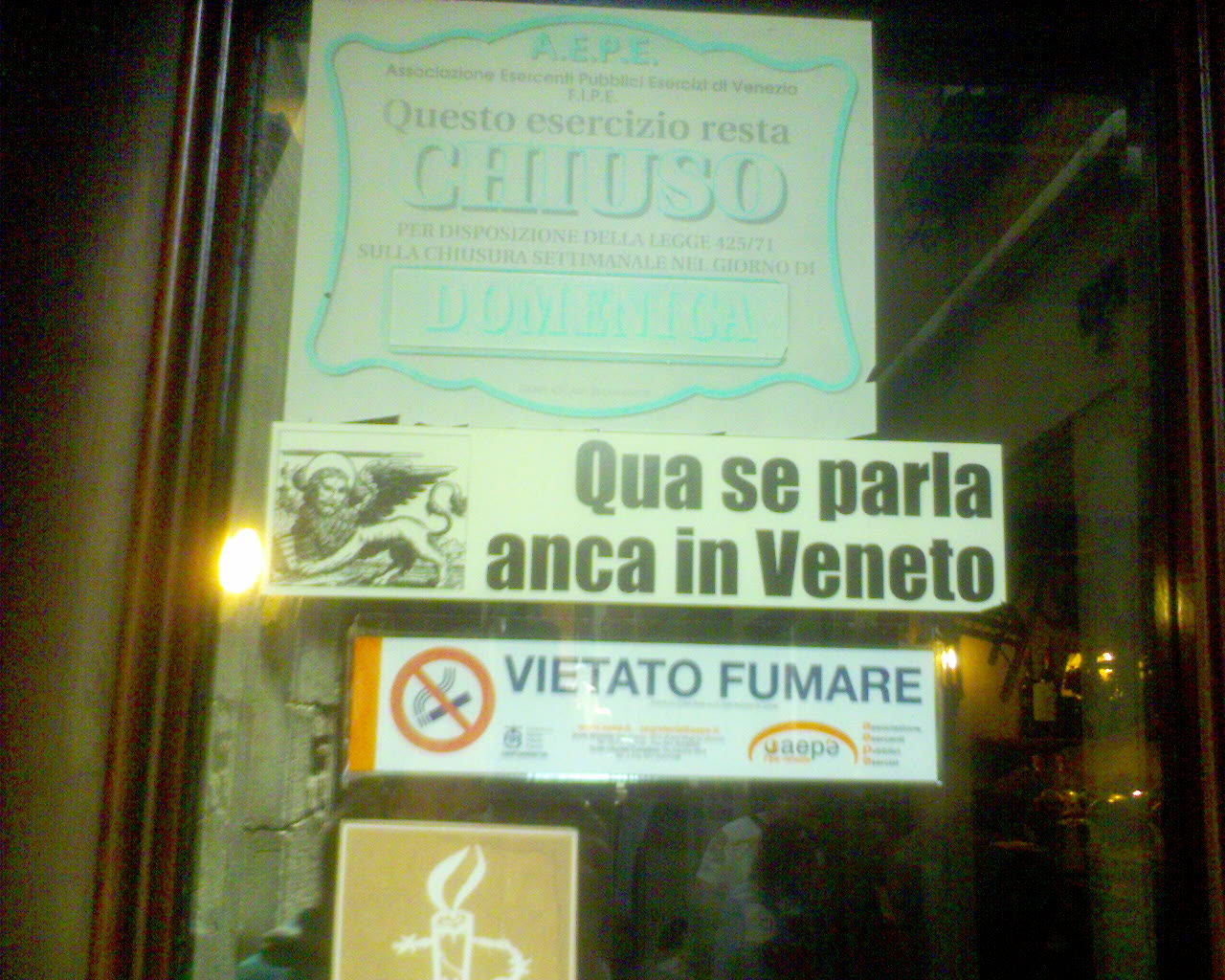
The Venetian language (Venetian: vèneto) is a Romance language that developed from Vulgar Latin in northeastern Italy. It is traditionally associated with the city and territories of Venice and the surrounding Veneto region, and it differs from Standard Italian in pronunciation, grammar and core vocabulary. Speakers and scholars often describe Venetian as a separate language rather than a mere dialect of Italian.
Image gallery
8 Images




Linguistic characteristics
Venetian shows characteristic features in its sound system, article and pronoun use, and verb constructions. Its definite articles and clitic pronouns are distinct from those of Standard Italian, and many everyday words and idioms are uniquely Venetian. Although there is variation across the region, the language generally displays a conservative set of vowel qualities and a lexicon with both Latin roots and loanwords absorbed through centuries of maritime contact.
History and development
Originating from the Latin spoken in northern Italy, Venetian rose to prominence during the medieval and early modern era as the language of the Republic of Venice. As a lingua franca of trade and administration, Venetian spread across the Adriatic and Mediterranean through commercial links and colonial outposts. Contact with Greek, Slavic and other Italian varieties left traces in vocabulary and expression. The language has a written tradition and appears in plays, poetry and documents dating back several centuries; some well-known dramatists used Venetian in their works.
Geographic range and varieties
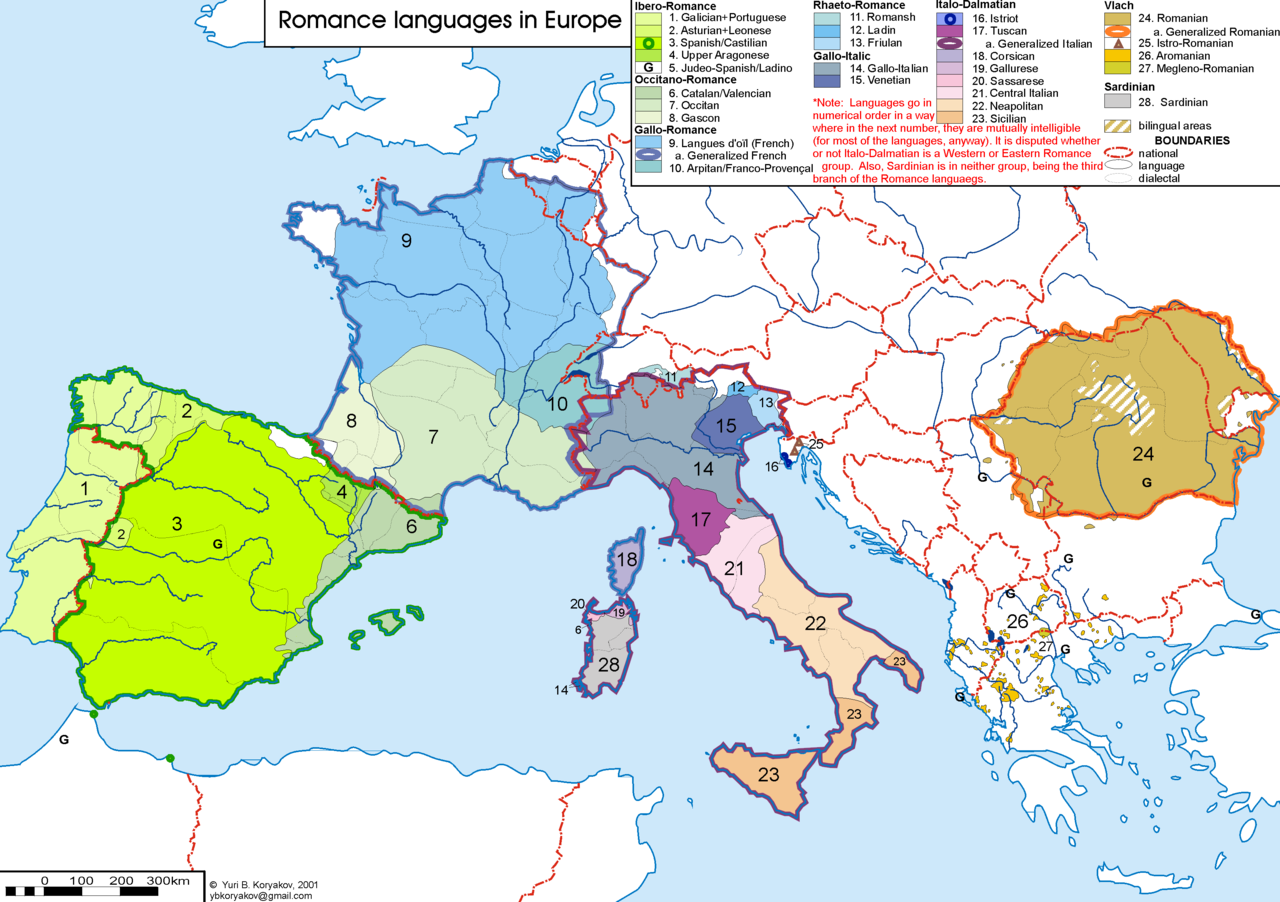
Within Italy, Venetian is spoken across much of the Veneto region and in neighboring areas such as parts of Friuli and Trentino. Different local varieties form a dialect continuum, from lagoon and city speech to inland and mountain forms. Historic Venetian-speaking communities also existed along the Dalmatian coast and in Istria. Emigration carried Venetian outside Europe: descendants of Venetian migrants in Brazil and Argentina maintain related regional varieties (sometimes called Talian in Brazil).
Current status and cultural role
Today Venetian remains a living vernacular used in family life, local media, festivals and popular culture. Attitudes toward the language vary: many speakers are bilingual in Venetian and Italian, and there are active movements to promote Venetian in schools, literature and broadcasting. Official recognition and protection differ by country and region, and linguistic activists press for wider teaching and preservation efforts.
Notable distinctions and facts
- Though often labeled a "dialect" in everyday speech, Venetian is a distinct Romance language from a linguistic perspective.
- It served as the practical language of the Republic of Venice and its maritime networks for centuries.
- Local varieties display significant internal diversity, reflecting geography and historical contact.
- Overseas communities preserve variants influenced by immigrant experience, notably in parts of South America.
For readers seeking to learn more, resources include grammars and dictionaries, recordings of native speakers, and regional literature that illustrate the language's vocabulary, idioms and expressive range.
Related articles
Author
AlegsaOnline.com Venetian language Leandro Alegsa
URL: https://en.alegsaonline.com/art/104546
Sources
- ethnologue.com : Venetian
- glottolog.org : "Venetian"