
Peloponnese: geography, history and cultural significance
The Peloponnese is a large, mountainous peninsula in southern Greece noted for its ancient sites, varied coastline, islands, and a long history from prehistoric and classical eras through medieval and Ottoman periods.
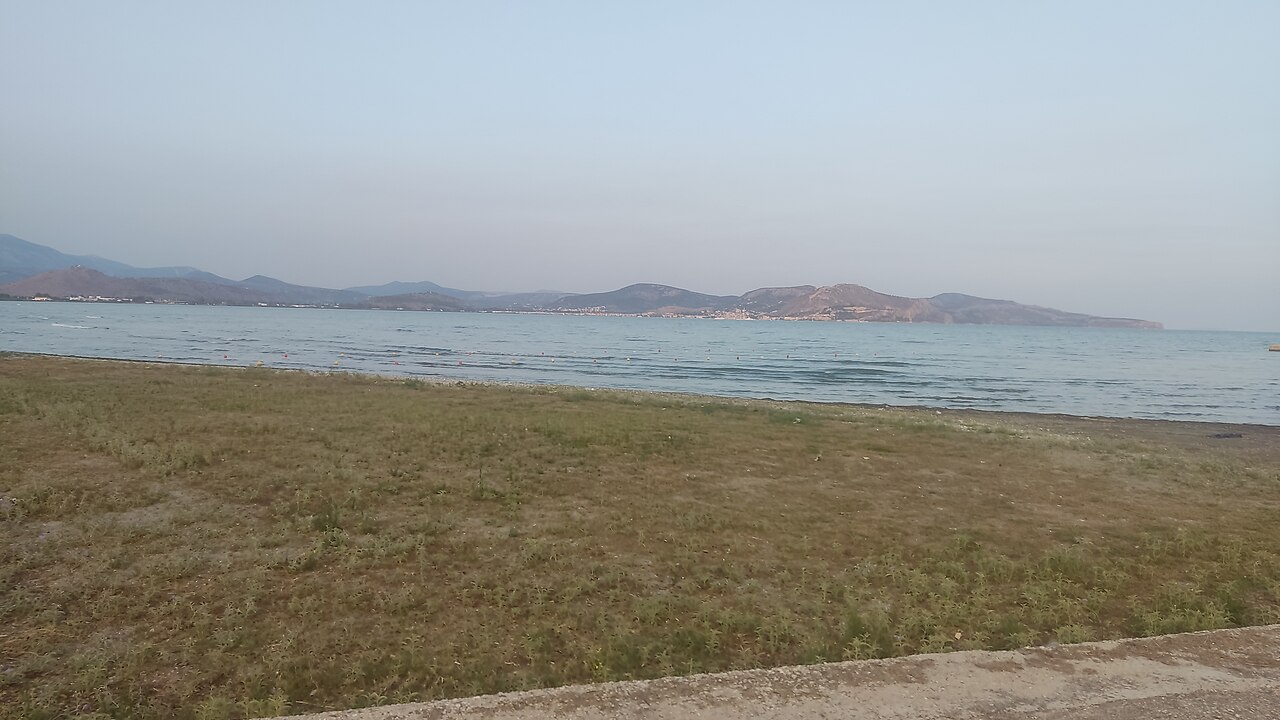
The Peloponnese is a broad peninsula forming the southernmost part of mainland Greece. Separated from the central Greek mainland by the Isthmus of Corinth, it has been a distinct geographic and cultural region since antiquity. The region's landscape combines rugged mountain ranges, fertile valleys, extensive olive groves and vineyards, and a deeply indented coastline that created numerous natural harbors and small peninsulas.
Image gallery
10 Images



Geography and natural features
The peninsula is dominated by mountain chains and plateaus. The highest range in the south is Mount Taygetus, while other uplands include Parnon and the Arcadian highlands. Rivers are generally short and seasonal; the coastal margins and sheltered bays have shaped local economies and settlement patterns. The narrow Isthmus of Corinth connects the Peloponnese to central Greece; it was later crossed by the artificial Corinth Canal, a major engineering project of modern times.
Subregions, peninsulas and nearby islands
Within the Peloponnese are several smaller peninsulas that project southward, each with a distinctive identity: Messenia to the west, the rocky Mani Peninsula in the south-central spine, and the eastern districts of Argolid and Epidaurus. Offshore lie groups of islands closely associated with the region: the Argo-Saronic Islands to the east and the Ionian Islands to the west. The island of Kythira, located off the southeastern tip, is often linked culturally and historically with the Ionian group despite its eastern position.
Historical overview
The Peloponnese has been inhabited since prehistoric times and was the heartland of the Mycenaean civilization, whose archaeological remains include fortified citadels and royal tombs. In the classical era it hosted influential city-states such as Sparta, Corinth and Argos that played major roles in Greek politics and warfare. During the medieval period and under Ottoman rule the region acquired the name Morea and experienced population shifts, fortified towns and new trade patterns. In modern history the Peloponnese figured prominently in the movement for Greek independence and subsequently in the formation of the modern Greek state.
Cities, archaeological sites and culture
Notable places on the peninsula include ancient Mycenae and the theater of Epidaurus, classical Sparta, the archaeological site of Olympia where the ancient Olympic Games were held, and coastal cities such as Corinth, Patras and Kalamata. Visitors encounter a mixture of ancient ruins, Byzantine churches, Venetian fortresses and Ottoman-era monuments. The area's cultural traditions also include local music, folk crafts and regional cuisine based on olives, citrus, fish and lamb.
Economic activities and tourism
Agriculture—particularly olives and olive oil production—remains important, along with viticulture and fishing. In recent decades tourism has become a major economic driver: seaside resorts, archaeological tourism and cultural festivals attract domestic and international visitors. The varied coastline and interior landscapes support hiking, sailing and rural tourism. Transportation links, including roads running across the isthmus and ferry connections to nearby island groups, connect the Peloponnese with the rest of Greece.
Distinctive facts and further reading
- The name "Peloponnese" derives from the mythical figure Pelops, whose legend is part of the region's ancient identity; see classical sources for the mythic traditions.
- Under medieval and Ottoman rule the region was frequently identified as the Morea; its coastal towns also bear layers of Venetian architecture and fortification.
- For maps and general orientation consult a regional map or travel guide: Peloponnese overview and resources on the Isthmus of Corinth and the Taygetus range.
- Historical summaries and archaeological guides are available through academic and cultural institutions: see entries on Mycenaean civilization and Sparta via ancient history, medieval Morea via Byzantine and medieval studies, and Ottoman-era regional histories via Ottoman sources.
- Practical travel information and conservation initiatives can be found at regional authorities and tourist offices: visitor resources.
The Peloponnese remains a region where natural scenery and long historical continuity meet: from prehistoric graves and classical temples to medieval fortresses and modern towns, its layered past and varied landscapes make it a focal point for students of history, archaeology and Mediterranean culture.
Related articles
Author
AlegsaOnline.com Peloponnese: geography, history and cultural significance Leandro Alegsa
URL: https://en.alegsaonline.com/art/75506