
Piracy: History, Types, and Modern Responses
An overview of piracy as a maritime crime: characteristics, historical development, modern hotspots and anti‑piracy measures, plus distinctions between piracy, privateering and maritime security.
Overview
Piracy is the unlawful act of attacking, robbing or seizing vessels or people at sea. In broad terms it is treated as a crime under international and national law. A person who commits such acts is commonly called a pirate; traditionally pirates operate from relatively small, fast craft to board or overtake larger merchant ships while operating on the open sea.
Image gallery
10 Images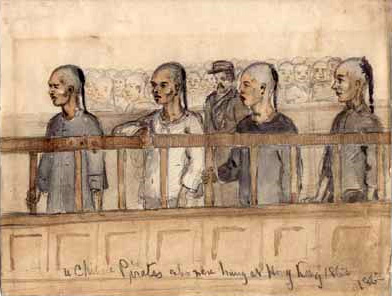


Characteristics and tactics
Pirates exploit gaps in security, local geography and weak law enforcement. Typical tactics include surprise approaches in speedboats, use of ladders or grappling hooks to board, and intimidation to take hostages or cargo. Modern groups sometimes use mother ships to extend their range and employ small arms or grenades. Countermeasures by crews include evasive manoeuvres, increased watchkeeping and physical barriers.
History and development
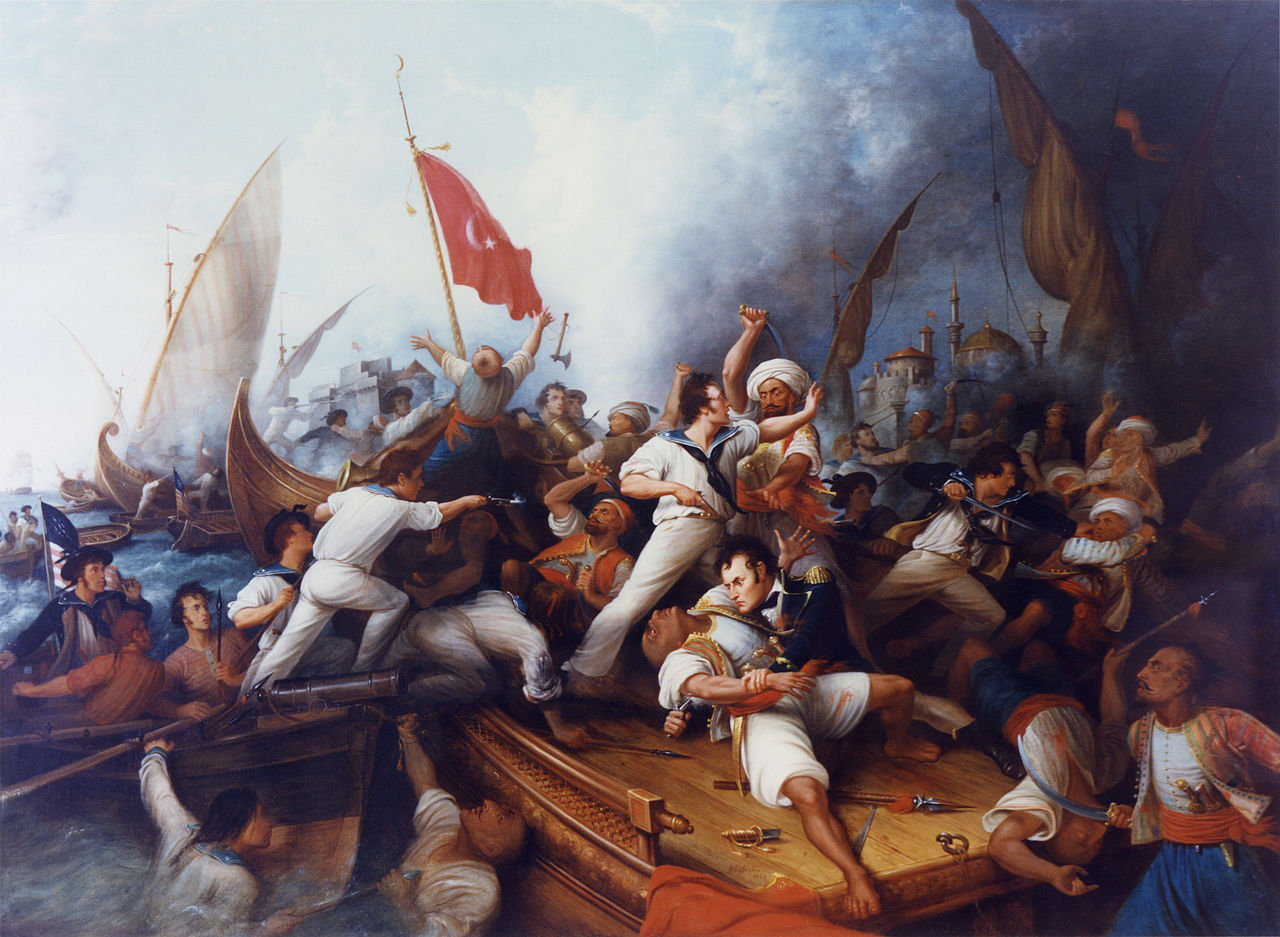
Piracy has existed wherever there has been maritime trade. Records and accounts link piracy to ancient maritime civilizations, including episodes in Ancient Egypt and later conflicts affecting the Romans. Throughout the Middle Ages rulers such as medieval kings and later seafaring empires had to confront piracy to protect commerce. During expansion of the Atlantic world, state‑sponsored privateering blurred lines between lawful capture and piracy; later, major navies like that of the British Empire made suppression of piracy a formal objective. Fighting pirates has often been a core mission of a navy.
Modern piracy and hotspots
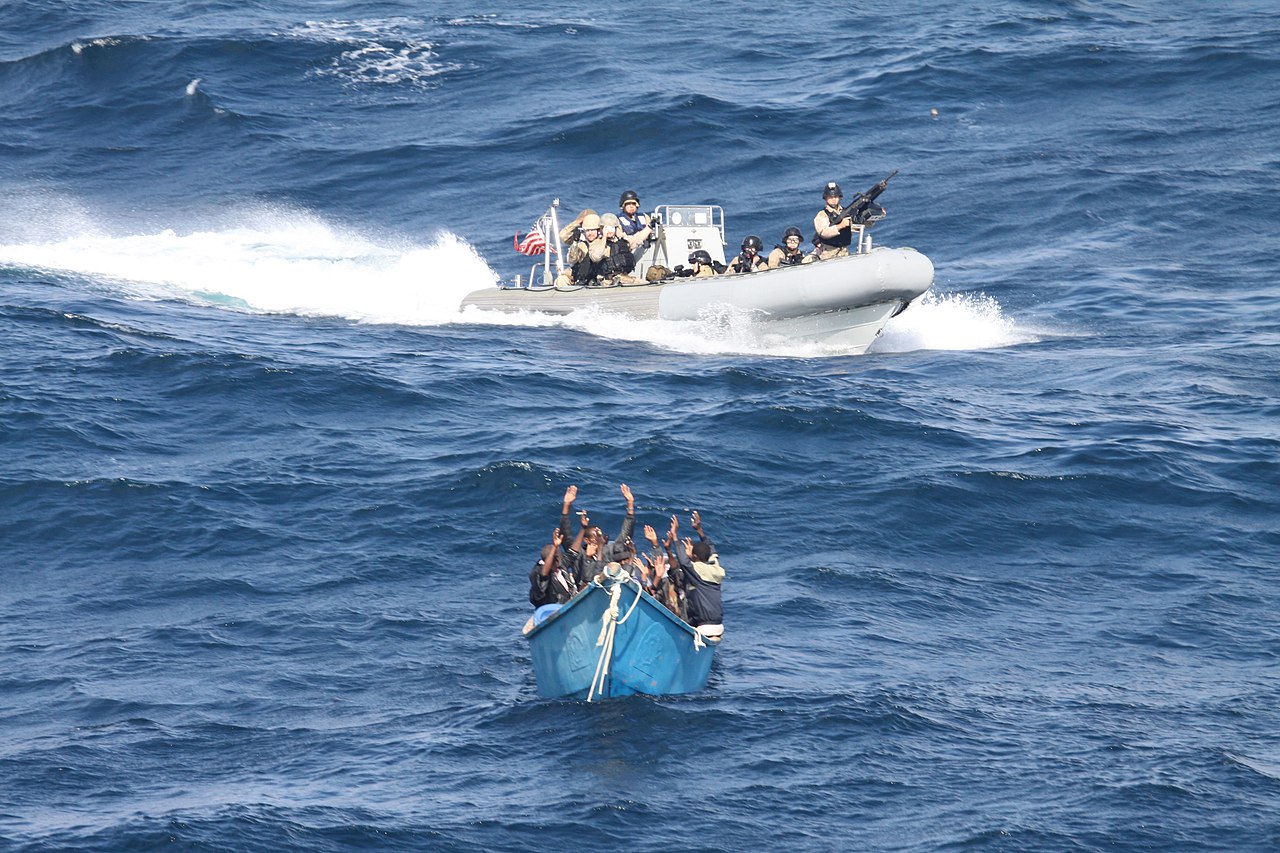
Piracy continues in modern times. One well‑known hotspot in recent decades has been the waters off the Horn of Africa, particularly the Gulf of Aden, where groups originating from Somalia carried out high‑profile attacks. Other regions have included parts of West Africa, Southeast Asia and some island coasts. Modern incidents range from petty theft to large‑scale hijackings and hostage situations.
Responses, law and prevention
Responses to piracy combine naval patrols, legal prosecution, shipping industry best practices and regional cooperation. Measures used by ships include armed guards, citadels (safe rooms), convoy systems and routing changes. International law allows states to take action against piracy on the high seas, but jurisdictional and evidentiary issues can complicate prosecutions.
Distinctions and notable facts
- Piracy refers to unlawful violence or detention on the high seas.
- Privateering historically meant state‑licensed capture of enemy merchant ships and is legally distinct from piracy, though the two overlap in practice.
- Fighting piracy has shaped naval strategy and international maritime law and remains an ongoing concern for global trade.
For further reading on legal definitions, case studies and contemporary counter‑piracy efforts, consult specialist sources and official maritime guidance: legal frameworks, ship protection advice and regional reports such as those addressing the Gulf of Aden and related incidents.
Questions and answers
Q: What is piracy?
A: Piracy can mean different things; it can refer to a crime that is committed, or it can refer to a human on a ship at sea who uses small, fast boats to attack other ships.
Q: Who are pirates?
A: Pirates are humans on ships at sea who use small, fast boats to attack other ships.
Q: Where does piracy still occur today?
A: Piracy still happens often in the Gulf of Aden, mostly by Somali pirates.
Q: How long has piracy been around?
A: For as long as ships have sailed the sea, there have been pirates.
Q: Who has had to deal with pirates throughout history?
A: Ancient Egypt and the Romans, Medieval kings, and the British Empire all dealt with pirates.
Q: What is one of the most important roles of a navy?
A: Fighting pirates has sometimes been one of the most important roles of a navy.
Related articles
Author
AlegsaOnline.com Piracy: History, Types, and Modern Responses Leandro Alegsa
URL: https://en.alegsaonline.com/art/77066