
Renewable resource: definition, types, uses and sustainability
Overview of renewable resources: definition, main types (solar, wind, water, geothermal, biomass), benefits and limits, sustainable management, policy approaches and comparison with non‑renewable resources.
Overview
A renewable resource is a material, product or flow of energy that is replenished by natural processes at a rate that permits sustainable human use. Renewable resources include flows such as solar energy, moving air that produces wind power, and rivers that produce hydropower, as well as stocks that renew relatively quickly such as forests and many agricultural crops. They are generally contrasted with resources that form too slowly to be replenished within human timeframes, often called non-renewable resources.
Image gallery
10 Images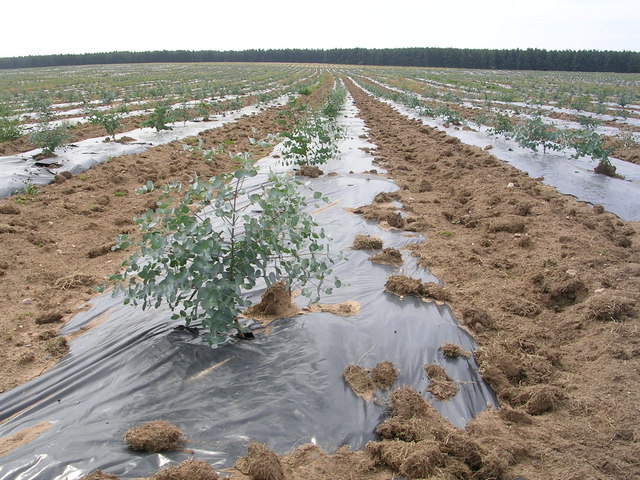




Types and characteristics
Renewable resources can be grouped by physical origin and use:
- Solar and wind energy: sunlight captured by photovoltaic panels or solar thermal systems and kinetic energy from wind and solar farms converted into electricity by turbines and inverters.
- Hydropower and marine: river flows, reservoirs, tides and waves that drive turbines and supply stable or seasonal electricity.
- Geothermal: heat from the Earth used directly for heating or to generate electricity where geological conditions are suitable.
- Biological renewables: biomass, forests, crops and agricultural residues that provide food, fiber, construction materials and biofuels when harvested at sustainable rates. Products such as paper and leather originate from renewable biological inputs.
- Fresh water and air: elements of natural cycles—fresh water and atmospheric oxygen—renew through precipitation, plant processes and global circulation.
Technologies and applications
Renewables supply electricity, heat, transport fuels and raw materials. Photovoltaics and wind turbines dominate new electricity capacity in many regions. Hydropower remains a major long‑running source of grid supply. Geothermal provides baseload heat and electricity in suitable areas. Biomass is used for heat, power and liquid biofuels such as biodiesel. Agricultural feedstocks like soybeans and canola can be processed into fuels, while wastes and residues can be converted into energy with lower land demand.
Benefits and limitations
Compared with many conventional energy sources such as gasoline, coal or natural gas, renewable resources and technologies generally emit less pollution and can reduce net contributions to global warming. They diversify energy supply, enhance resilience and can create local jobs. However, some renewable options face challenges: intermittency for solar and wind, land and water needs for some bioenergy and hydropower, material and embodied energy in infrastructure, and local ecological or social impacts if not planned carefully.
Management, sustainability and policy
Whether a resource remains renewable in practice depends on management. Sustainable approaches include appropriate harvest rates, reforestation, conservation of watershed functions, crop rotation and soil protection. Integration of variable renewable electricity requires storage, demand response and a diversified mix of sources. Policy measures—standards, incentives, planning and investment in transmission—support deployment while protecting ecosystems and communities. Examples of strong policy direction include national and subnational efforts in places such as Bhutan and California, which have pursued high shares of renewables in their energy mixes.
Comparison with non‑renewables
Non‑renewable resources, often referred to as fossil fuels, form over geological time and are depleted faster than natural processes create them. The transition from non‑renewable to renewable energy and materials relies on technology, economics and social choices. Many modern strategies combine efficiency improvements, electrification of end uses, storage and sustainable bioresources to reduce reliance on finite fuels.
Outlook and considerations
Renewable resources are central to efforts to decarbonize energy systems and supply long‑term material needs, but their expansion must be guided by integrated planning. Responsible development balances climate goals with biodiversity protection, water stewardship and equitable social outcomes. Continued innovation, supportive policy and improved resource management can increase the contribution of renewables while minimizing unintended consequences.
Further reading
Introductory and technical materials on renewable energy technologies and sustainable resource management are available through general information sources and institutional publications; for topic entry points see guides on solar energy, wind and solar farms and best practice resources on biomass and water use.
Related articles
Author
AlegsaOnline.com Renewable resource: definition, types, uses and sustainability Leandro Alegsa
URL: https://en.alegsaonline.com/art/82156
Sources
- energy.gov : "Record Year for Wind"