
Solar energy: principles, technologies, and practical uses
Comprehensive overview of solar energy: what it is, main technologies (photovoltaic, solar thermal), history, common applications, benefits and limits, and notable facts about its role in modern energy systems.
Solar energy is the capture and use of the Sun's radiation and warmth to perform work or produce power. At its simplest, sunlight can be converted into light and heat, which represent forms of energy emitted by the Sun. Human societies have exploited this energy for millennia to heat living spaces, dry foods and materials, and aid survival in climates with strong seasonal sunlight.
Image gallery
10 Images





Main technologies
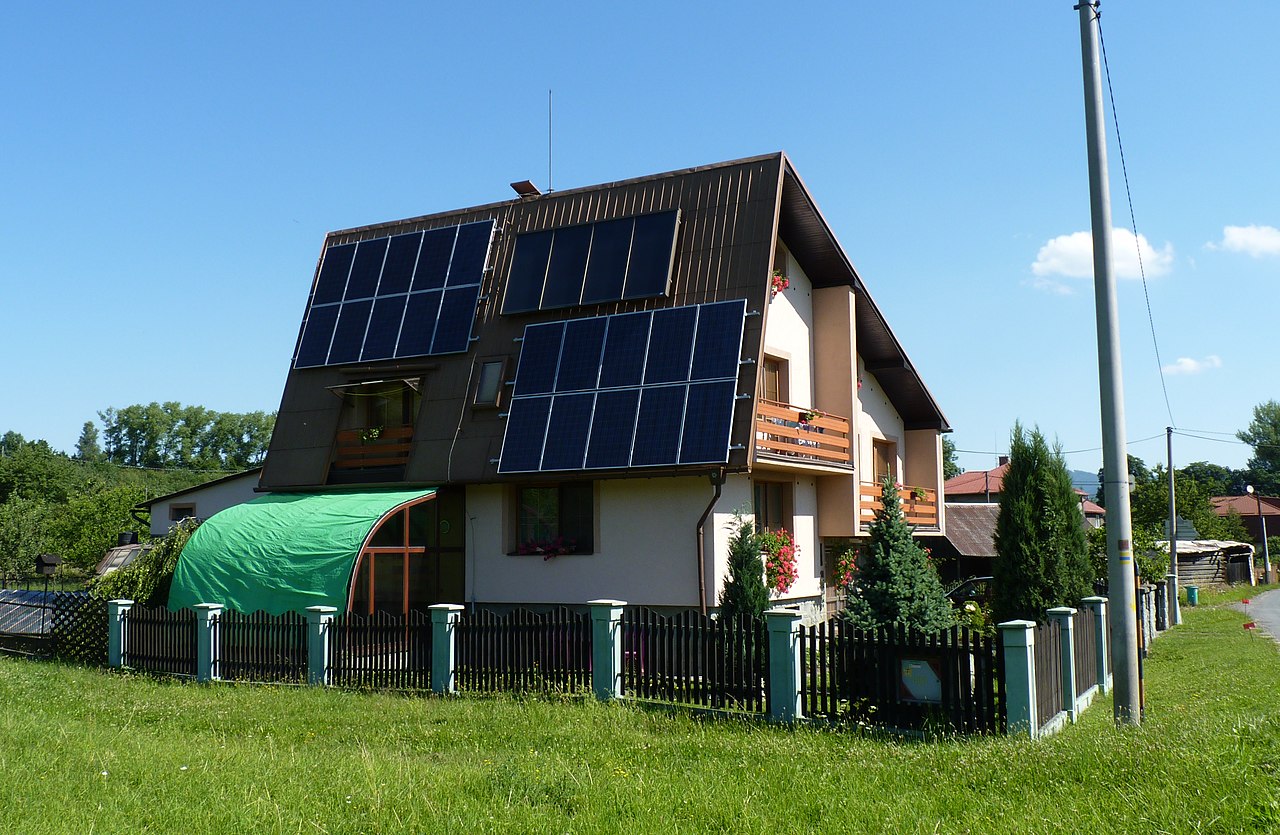
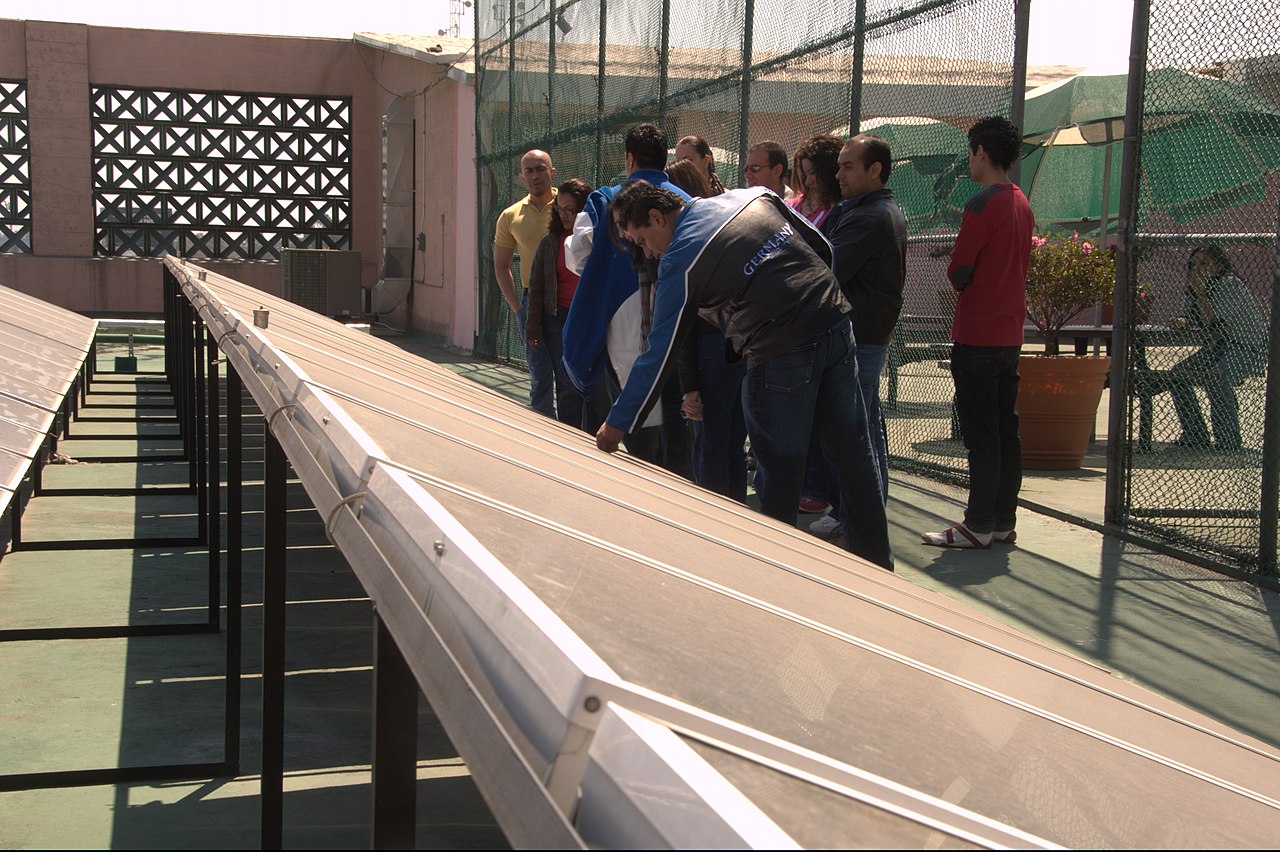
Modern solar systems fall into a few broad categories. Photovoltaic (PV) devices use semiconductor materials to turn sunlight directly into electricity and are found on rooftops and in large solar parks. Solar thermal systems capture heat for water and space heating or to drive turbines in concentrated solar power (CSP) plants. Passive solar design uses building orientation, glazing and materials to store and distribute solar heat without moving parts.
- Heating and hot water: conventional solar collectors provide domestic heating and hot water.
- Cooking and drying: simple solar cookers and dryers harness direct radiation for cooking and moisture removal.
- Electric generation: PV systems convert photons to electricity for on-site use or export to grids.
History and development
People have used solar methods—sun-facing buildings, reflective surfaces, and glazed enclosures—for thousands of years. Scientific work on light-to-electricity conversion gained traction in the 19th and 20th centuries; practical photovoltaic cells and large-scale solar thermal plants emerged as materials and manufacturing improved. Today solar is one of several alternatives to other power supplies in regions lacking conventional infrastructure.
Applications and importance
Solar technology serves a wide range of uses: distributed rooftop PV for homes and businesses, utility-scale solar farms, off-grid systems for remote communities, and power for satellites and space probes. In remote or isolated locations, solar can replace diesel generators and reduce logistical costs. Space applications rely on reliable solar arrays to convert sunlight into power for spacecraft and stations (outer space). Because sunlight is continuously available on human timescales, solar is commonly classified as a renewable energy source.
Advantages, limits and distinctions
Solar energy offers low operating emissions and can reduce dependence on non-renewable resources. It displaces fuels such as coal and oil in many applications. However, solar output is variable with day–night cycles and weather, requiring energy storage or complementary generation to ensure continuous supply. The environmental footprint of solar is generally smaller than fossil fuels over a system's life, but manufacturing and land use are important considerations.
As costs decline and power electronics improve, solar is increasingly integrated into grids with batteries, demand response and smart inverters. Its role continues to expand in residential, commercial and utility contexts and in specialized niches such as desalination, irrigation pumping and combined heat-and-power demonstrations. For more technical or policy information see related resources: sunlight basics, thermal conversion, energy concepts, solar astronomy, heating systems, solar cookers, photovoltaics, grid alternatives, space power, renewables, fossil fuel comparison, coal impacts, oil impacts.
Questions and answers
Q: What is solar energy?
A: Solar energy is the transformation of heat, the energy that comes from the sun.
Q: How long has solar energy been used?
A: Solar energy has been used for thousands of years in many different ways by people all over the world.
Q: What are some of the oldest uses of solar energy?
A: The oldest uses of solar energy are for heating, cooking, and drying.
Q: Where can solar energy be used to make electricity?
A: Solar energy can be used to make electricity where other power supplies are not available, such as in places far away from where people live or in outer space.
Q: Is it becoming cheaper to make electricity from solar energy?
A: Yes, it is becoming cheaper to make electricity from solar energy.
Q: Is solar energy renewable or non-renewable?
A: Solar Energy can be considered a renewable resource and an alternative to non-renewable resources like coal and oil.
Related articles
Author
AlegsaOnline.com Solar energy: principles, technologies, and practical uses Leandro Alegsa
URL: https://en.alegsaonline.com/art/91634
Sources
- nrel.gov : "us_pv_annual_may2004.jpg"
- iea.org : International Energy Agency - Homepage
- pvresources.com : Technologies: From silicon to the solar cell.
- sanluisobispo.com : The Tribune: California Valley's Topaz Solar Farm now producing electricity
- solarserver.com : SolarServer: CPI completes massive hybrid solar PV/hydro plant in Western China
- forbes.com : Solar Star Project, Japan DG Demand Drive SunPower's Q3
- mortenson.com : mortenson.com
- docs.cpuc.ca.gov : Energy Division Resolution E-4229
- irecusa.org : U.S. Solar Market Trends 2013
- seia.org : "NRG Energy completes 250 MW California Valley Solar Ranch"
- californiavalleysolarranch.com : "130MW energized"
- cpuc.ca.gov : RPS Project Status Table - February Update
- investor.firstsolar.com : World's Largest Operational Solar PV Project, Agua Caliente, Achieves 250 Megawatts of Grid-Connected Power
- bloomberg.com : "First Solar Stops Installation at Agua Caliente Project"
- greentechmedia.com : World’s Biggest Solar PV Plant a Feather in DOE’s Cap