
Scrap: recyclable materials, processing, and role in industry
An overview of scrap materials, how they are collected and processed, their uses in manufacturing and the economy, environmental benefits, regulatory issues and distinctions from waste.
Overview
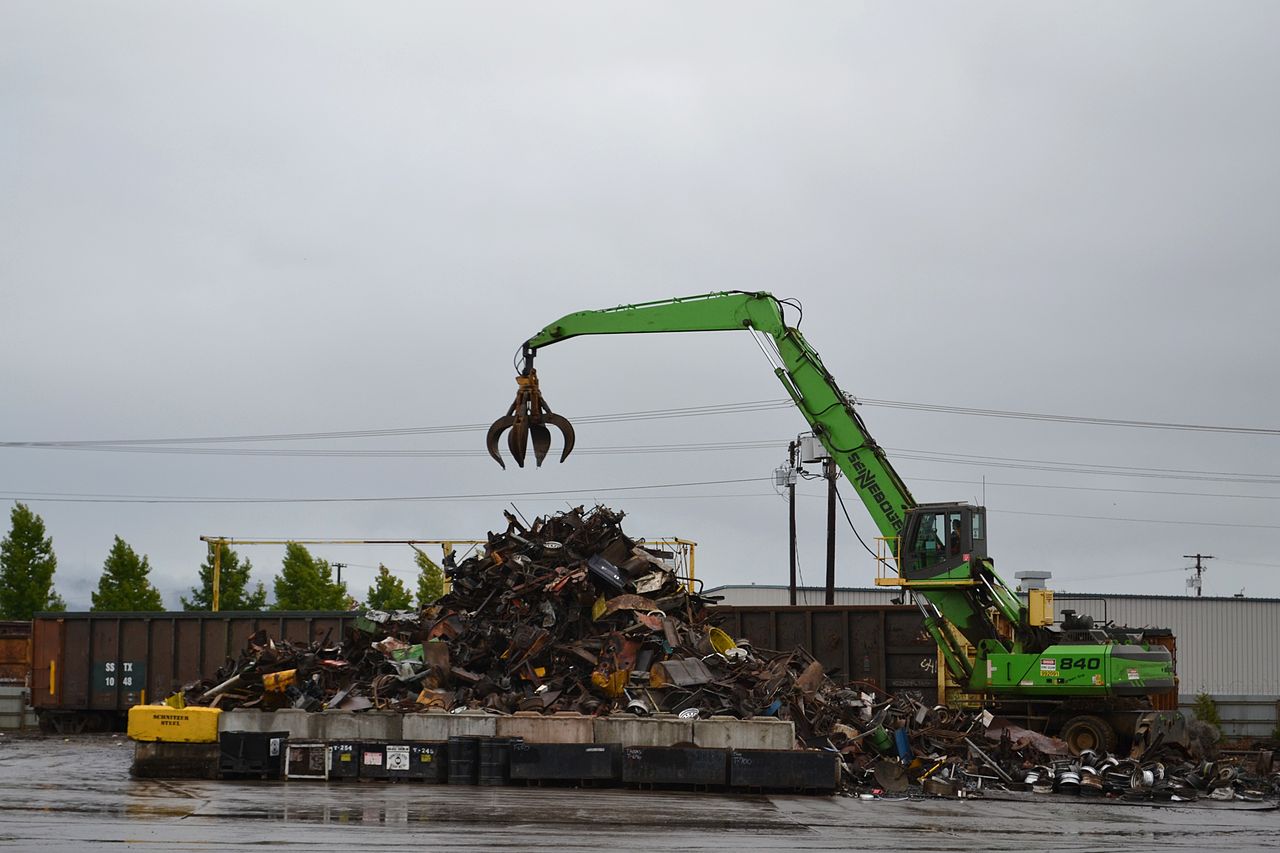
Scrap refers to materials recovered from manufacturing, construction, consumer products and demolition that retain value and can be reprocessed into raw feedstock. Unlike ordinary waste, scrap is collected and traded because it can be transformed into new products — often with lower energy and material inputs than producing primary raw materials. Common categories include ferrous and non‑ferrous metals, paper and cardboard, plastics, glass, and electronics.
Image gallery
10 Images




Types and characteristics
Scrap is commonly grouped by material and quality. Typical classes are:
- Ferrous metals — steel and iron from cars, appliances and structural scrap; magnetic and widely recycled.
- Non‑ferrous metals — aluminum, copper, brass and zinc; lighter and often more valuable per ton than ferrous scrap.
- Electronic scrap (e‑waste) — circuit boards, batteries and cables that contain precious and specialty metals plus plastics and glass.
- Plastics, paper and glass — collected separately, then sorted, cleaned and reprocessed into pellets, fibers or cullet.
Collection and processing
Scrap passes through several distinct stages before becoming a usable feedstock: collection and transport; sorting and grading; cleaning or demanufacturing; size reduction such as shearing or shredding; and melting, pulping or regranulation. Facilities range from small yards to complex industrial plants that produce standardized forms (ingots, billets, pellets) for manufacturers. Quality control and contaminant removal are crucial to ensure the recycled material meets production specifications.
History and development
Reuse and recycling of materials have ancient roots — from metal reuse in antiquity to salvaging ship timbers — but scaled dramatically with the Industrial Revolution and 20th‑century manufacturing. In recent decades, environmental regulation, commodity markets and improvements in sorting technology have expanded the formal scrap industry into a global trade network. Modern policy discussions often link scrap markets to circular economy goals and decarbonization strategies.
Uses, importance and examples
Scrap serves as a cost‑effective alternative to virgin raw materials in many sectors. Recycled steel is used in construction, automotive bodies and appliance manufacture; recycled aluminum returns quickly to beverage cans or window frames; copper recovered from wiring becomes new electrical components. In electronics, recovered gold, silver and rare earths help supply high‑value materials that are otherwise costly to extract. The industry lowers energy use and greenhouse gas emissions compared with primary production and supports jobs across collection, processing and manufacturing.
Regulation, market issues and notable facts
Because scrap has monetary value, it attracts legitimate trade and, in some cases, criminal activity such as theft of wiring or catalytic converters. Many jurisdictions regulate scrap dealers, require proof of ownership for certain items, and control hazardous fractions like batteries and e‑waste. Market prices fluctuate with commodity cycles, and quality or contamination can reduce value. For further reading on industry practice and standards, see the industry resources at industry guidance, global statistics at trade data and regulatory frameworks at policy guidance.
Distinguishing scrap from general refuse matters for economics and environment: scrap is collected to reenter production, while waste is disposed of. Improving collection, design for recycling, and local processing capacity are common strategies to increase the yield and value of scrap streams and to integrate them into more circular supply chains.
Related articles
Author
AlegsaOnline.com Scrap: recyclable materials, processing, and role in industry Leandro Alegsa
URL: https://en.alegsaonline.com/art/88182