
Resin: plant secretion, properties, history, and human uses
Resin is a sticky plant secretion, rich in organic compounds. It protects plants, attracts natural enemies of herbivores, fossilizes to amber, and has many industrial, artistic, and aromatic applications.
Overview
Resin is a viscous mixture of organic compounds produced and secreted by many plants, particularly by woody species such as conifers. It is not sap (the water- and nutrient-transport fluid) but a separate substance that is typically thicker, more fragrant, and richer in terpenes and phenolic constituents. Botanists and ecologists study resin as a key component of plant defense and wound response; chemists and artisans value it for its physical and aromatic properties. For a general chemical definition see organic compounds.
Image gallery
8 Images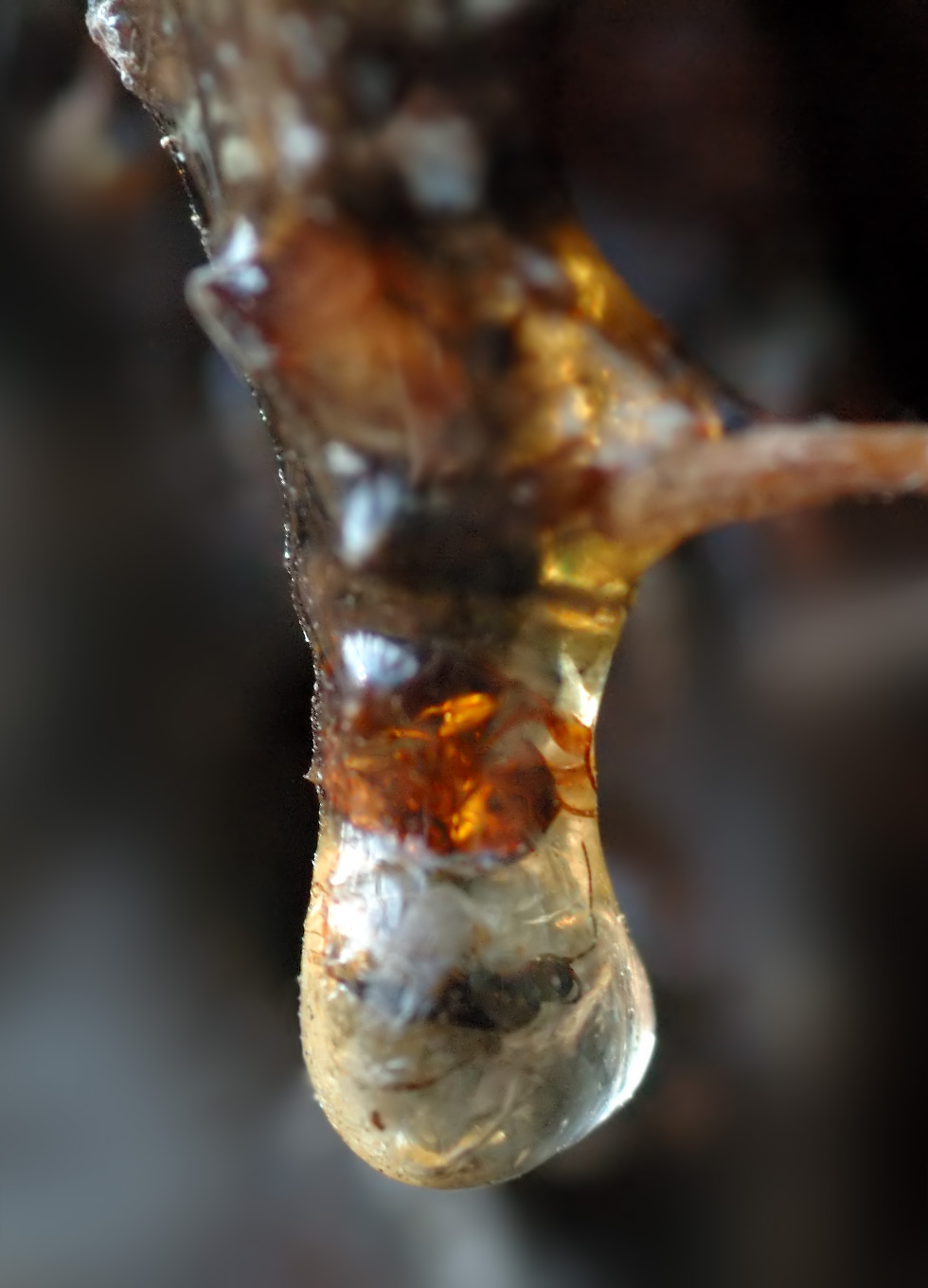


Characteristics and biological role
Resins are complex mixtures that may include terpenes, resin acids, and phenolic substances. They are often sticky and hydrophobic, which helps seal wounds and inhibit entry of fungi, bacteria, and small insects. When a branch or trunk is damaged, the plant increases resin flow at the site to limit infection and deter further feeding by herbivores.
- Physical traits: viscous to solid, aromatic, insoluble in water.
- Chemical traits: made of hydrocarbons and oxygenated derivatives; composition varies by species.
- Ecological effects: deters herbivores, entrains insects, and can attract predators or parasitoids that attack those herbivores through volatile emissions.
Plants evolved this chemistry as protection against injury and attack; resin secretion is an induced response to wounding and stress. Researchers document these ecological interactions in many forest systems, including resin responses to pest outbreaks and fire.
History, fossilization, and distinctions
Over long time scales, some plant resins become buried and fossilize into amber, preserving insects and plant fragments and providing valuable paleontological records. The distinction between natural resins and related botanical exudates is important: gums are water-soluble polysaccharides, whereas resins are primarily nonpolar hydrocarbons. Modern materials called "synthetic resins" mimic some physical properties of natural resins but are manufactured from petrochemicals or polymers.
Human uses and examples
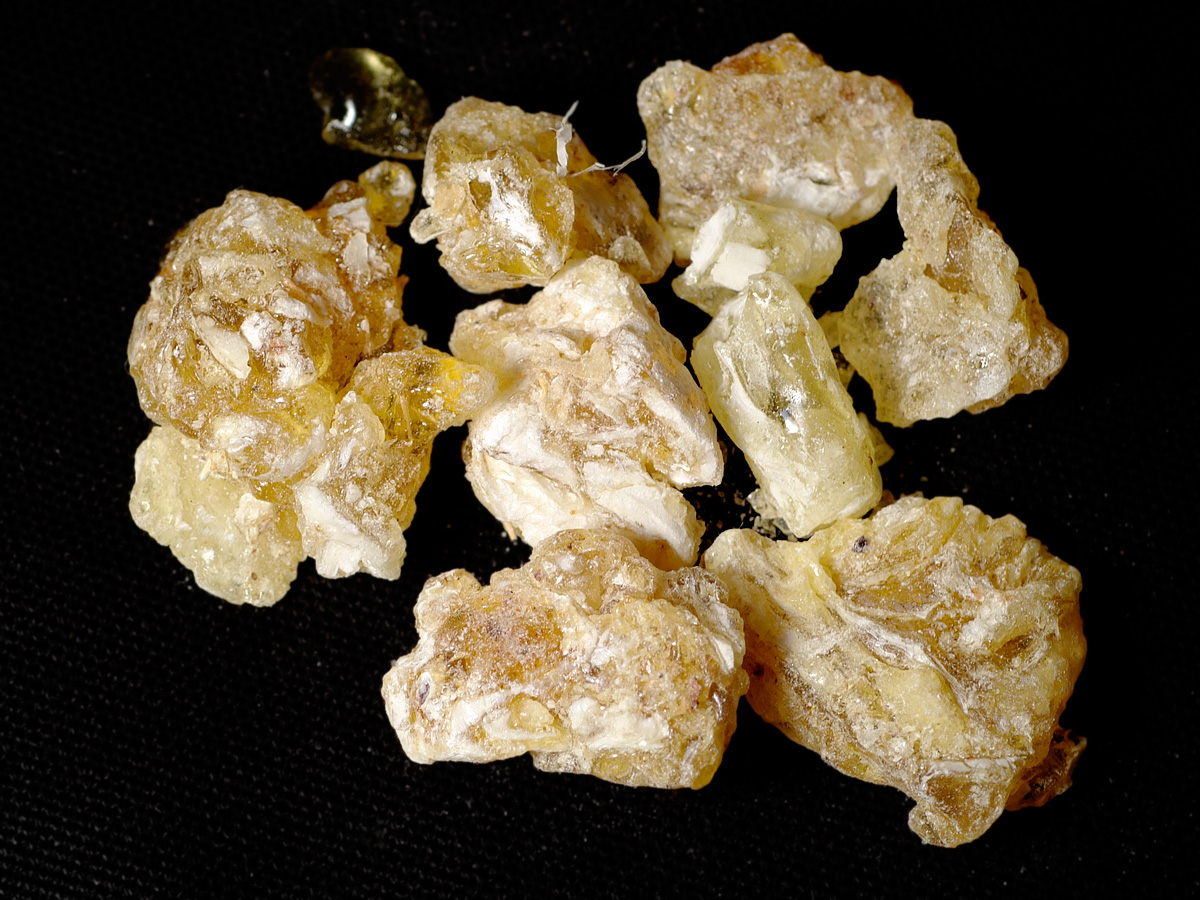
Humans have used natural resins for millennia. Traditional uses include incense and perfume, where aromatic resins are burned or extracted for fragrance. Resins are key ingredients in varnishes and lacquers that protect wood and artworks, and they serve as bases for adhesives and sealants. In industry, resins (both natural and synthetic) are raw materials for producing coatings, composites, and molded products.
- Art and ritual: incense, perfumery, varnishes for paintings and furniture (incense, perfume, varnishes).
- Industrial: adhesives, laminates, flooring and composite matrices (adhesives, organic synthesis).
- Scientific and cultural: amber in paleontology and jewelry (fossilized resins, amber).
Notable facts and further reading
Resins can emit volatile phenolic and terpene compounds that sometimes function as indirect defenses by luring predators or parasitoids of herbivores; this ecological signal is the subject of active research (volatile phenolic compounds, parasitoids). The botanical production, commercial processing, and synthetic analogues each have distinct terminology and standards: scientists distinguish resins from saps and gums, and manufacturers label polymeric products as synthetic resins for use in laminates, linings, and other engineered materials. For introductory plant anatomy and secretion processes see secreted and for general plant groups that commonly produce resin see plants and coniferous trees.
For more applied perspectives, consult sources on resin chemistry, forestry entomology, conservation of resinous artifacts, and material science treatments of natural versus synthetic resins (herbivores, organic compounds, varnishes, adhesives). Basic introductions and supplier guides often clarify the differences among types and grades of resins used in crafts, industry, and research (organic synthesis, perfume).
Questions and answers
Q: What is resin?
A: Resin is a mixture of organic compounds secreted by many plants, especially coniferous trees. It contains chemicals composed of carbon, hydrogen, oxygen, nitrogen and sulfur.
Q: What are the protective benefits of resin for plants?
A: Resin protects the plant from insects and pathogens, and confounds a wide range of herbivores, insects, and pathogens. The volatile phenolic compounds may also attract benefactors such as parasitoids or predators which attack the herbivores that attack the plant.
Q: How do humans use resins?
A: Humans value resins for their many uses including varnishes, adhesives, raw materials for organic synthesis, incense and perfume. Synthetic resins are used in laminates, adhesives, flooring and linings.
Q: What is amber made from?
A: Amber is made from fossilized resins.
Q: Is resin good to eat?
A: No, resin is not good to eat as it evolved as a defence against herbivores.
Related articles
Author
AlegsaOnline.com Resin: plant secretion, properties, history, and human uses Leandro Alegsa
URL: https://en.alegsaonline.com/art/82287
Sources
- commons.wikimedia.org : Resin
- doi.org : 10.1002/14356007.a23_073