
Redwood (Sequoioideae): species, ecology, size, and conservation
Redwoods are a group of large coniferous trees in the subfamily Sequoioideae. This article covers their taxonomy, distinguishing features, ecology, notable individuals, uses, and conservation challenges.
Overview
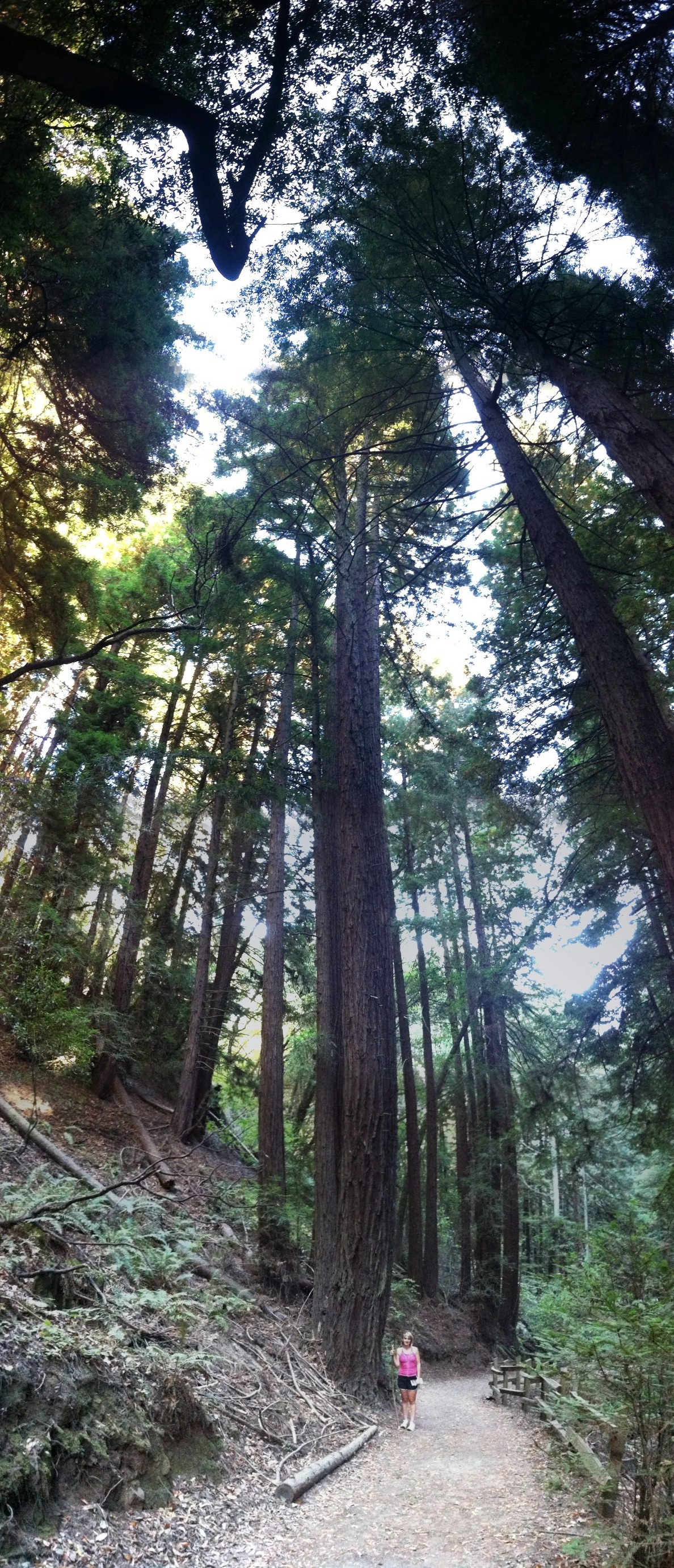
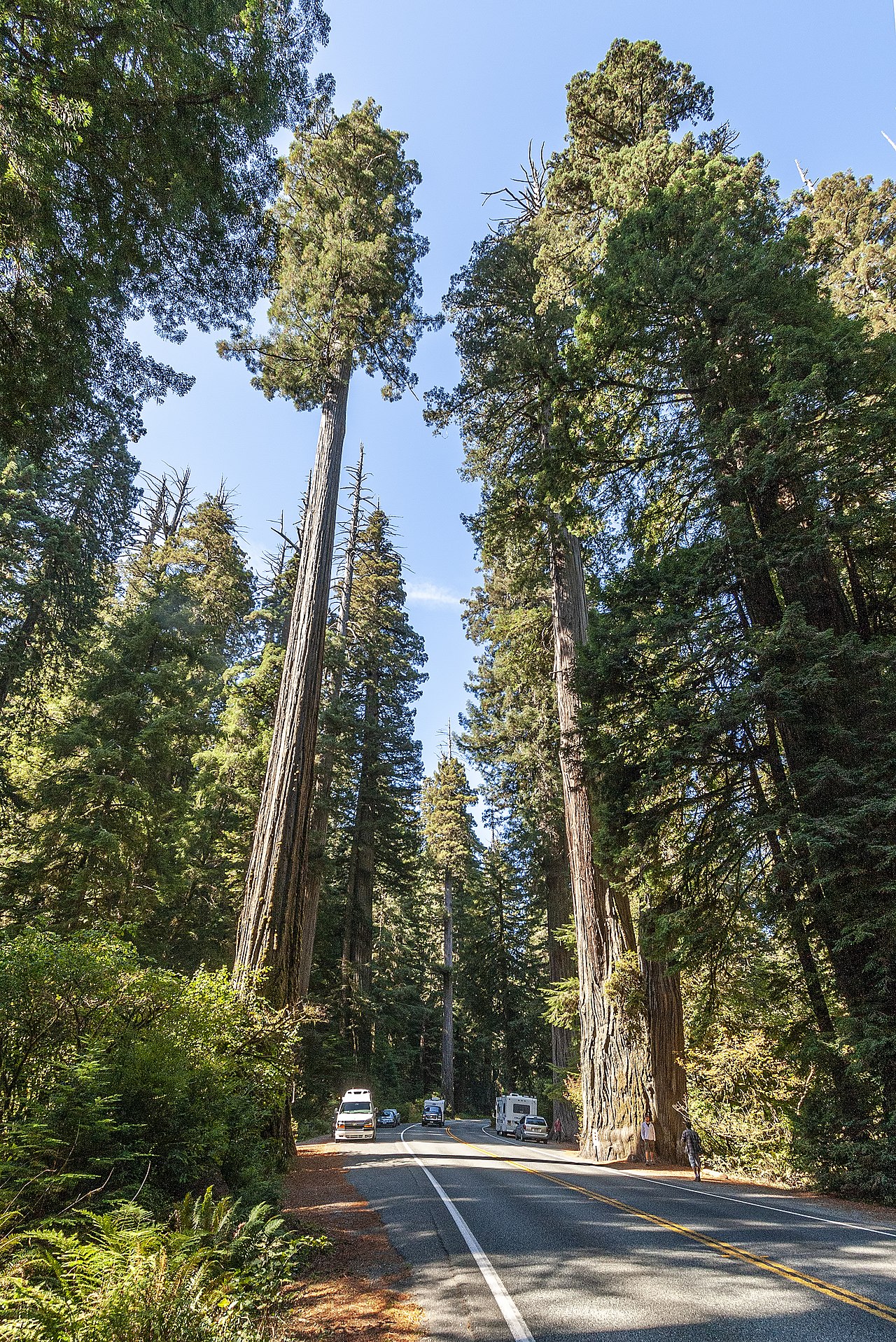
Redwoods are members of the conifer subfamily Sequoioideae, placed within the broader cypress group of the Cupressaceae family — see taxonomic context. The name "redwood" typically refers to three living genera that share a heritage of enormous size, long lifespans and distinctive wood and bark. These trees are most famously associated with the coastal and montane forests of western North America, especially the temperate rainforests of northern California and southern Oregon, though one genus survives in China. Collectively they are among the largest and longest-lived trees on Earth.
Image gallery
3 Images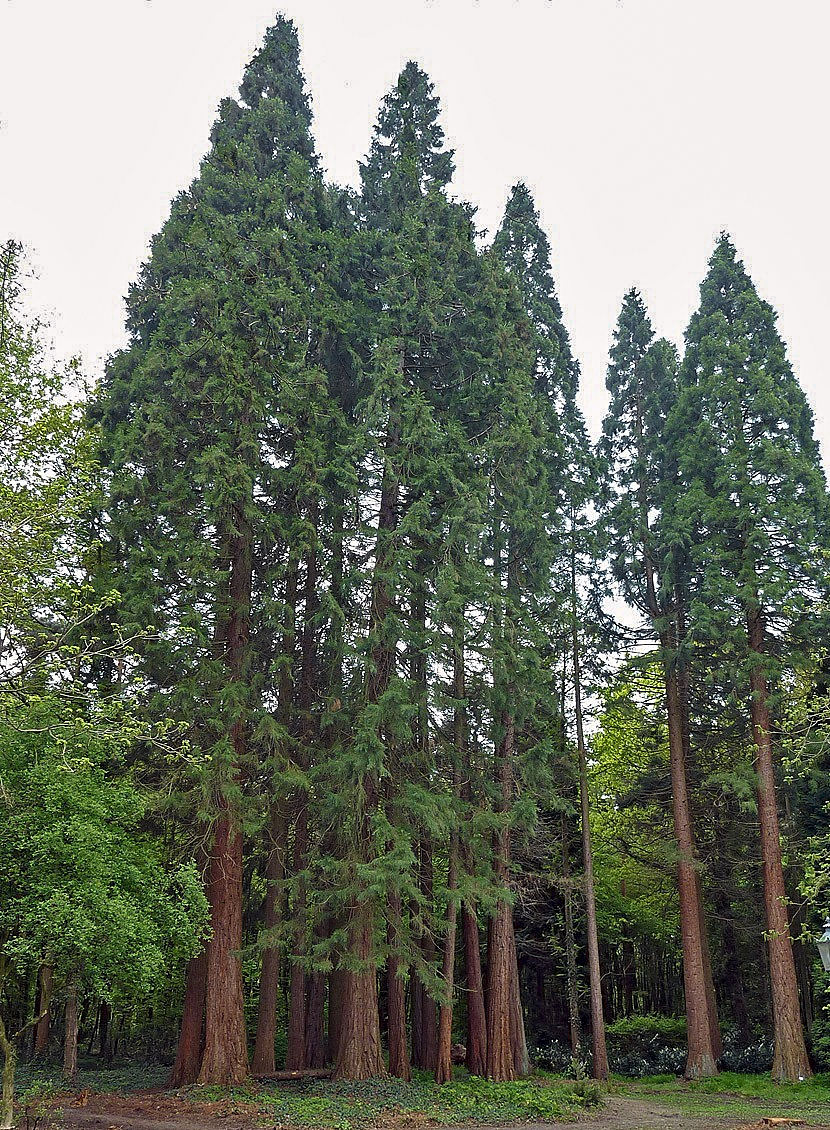
Species and taxonomic notes
There are three extant genera in the subfamily. Two are native to western North America: the coast redwood, often called Sequoia sempervirens, and the giant sequoia, Sequoiadendron giganteum. The third, Metasequoia glyptostroboides, commonly called the dawn redwood, was known from the fossil record and rediscovered as a living species in China in the 20th century. Fossil evidence shows that related species were once more widespread; many ancient relatives are now extinct and survive only in the fossil record (extinction history).
Characteristics and adaptations
Redwoods share several notable traits: exceptionally thick, fibrous bark rich in tannins; long-lived wood; and growth habits that allow great height and large trunk volumes. They possess different reproductive and regenerative strategies. Many redwoods are adapted to tolerate and even depend on periodic fire: thick bark insulates living tissue; some cones or seeds respond to high heat; and in certain species, sprouting from burls, coppice shoots or epicormic buds helps recovery after damage. These fire-related traits have evolved in regions where fire has historically played a recurring ecological role (fire adaptations).
Size, age and notable specimens
Redwoods include both the tallest trees by height and the largest trees by wood volume. Mature individuals can live for many centuries and in some cases exceed a millennium. The tallest known living tree is a coast redwood commonly called Hyperion, while the largest by trunk volume is a giant sequoia known as the General Sherman Tree — both names are frequently cited in popular and scientific accounts. Measurements and rankings vary with new surveys and discoveries; for discussions of size and volume comparison see volume records and historical naming conventions such as the dedication behind General Sherman.
Distribution, uses and cultural importance
Coast redwoods (Sequoia sempervirens) grow mainly in a narrow coastal belt with persistent fog that moderates summer drought; giant sequoias occupy montane groves on the western slopes of the Sierra Nevada. Dawn redwoods are native to river valleys in central China and are now widely cultivated as ornamental and conservation plantings. Indigenous peoples used redwood wood and bark for many purposes; later European settlers prized some species for durable timber. Today redwoods are symbols of natural heritage and are protected within national and state parks, botanical gardens and private preserves.
Conservation and challenges
Historically, extensive logging reduced old-growth redwood forests by a large fraction. Modern threats include habitat fragmentation, altered fire regimes (both suppression and more severe wildfires), drought and the broader effects of climate change. Conservation strategies combine protected-area management, restoration plantings, controlled burns to mimic natural fire cycles, and research into genetics and seed banking. Public education and legal protection have helped stabilize many populations, but active stewardship remains necessary to maintain these iconic trees for future generations.
- Key distinctions: coast redwood — extremely tall and capable of basal sprouting; giant sequoia — greatest trunk volume and fire-adapted seed release; dawn redwood — deciduous and smaller, rediscovered as a living fossil.
- Further reading: natural history, park management and scientific surveys often linked through conservation and botanical resources (regional accounts).
Related articles
Author
AlegsaOnline.com Redwood (Sequoioideae): species, ecology, size, and conservation Leandro Alegsa
URL: https://en.alegsaonline.com/art/81771
Sources
- species.wikimedia.org : "Redwoods"
- wikidata.org : Q149335
- species.wikimedia.org : Sequoioideae
- ipni.org : 1158313-2