
Quaesitosaurus: a Late Cretaceous long-necked sauropod
Quaesitosaurus is a large, long-necked herbivorous sauropod from the Gobi Desert of Mongolia, known from fragmentary Late Cretaceous remains and sometimes considered close to Nemegtosaurus.
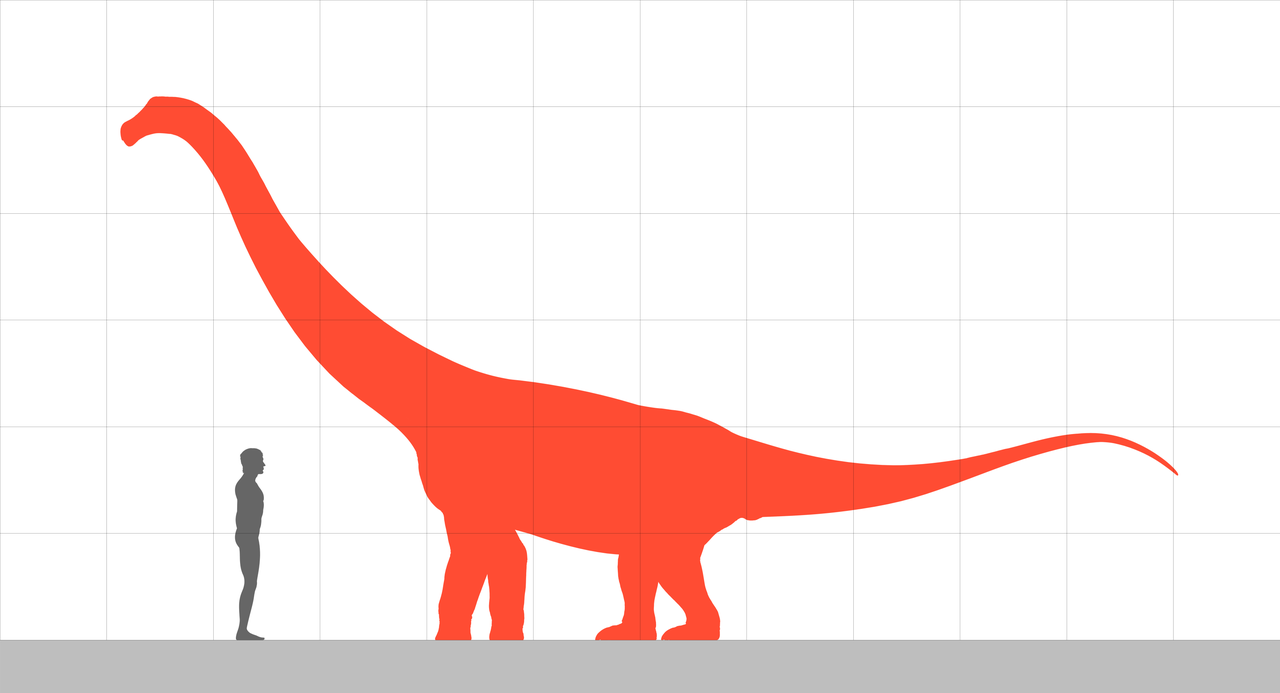
Quaesitosaurus (name often rendered as "abnormal" or "extraordinary lizard") is a genus of large, long-necked herbivorous dinosaur known from fragmentary remains recovered in the Gobi region. The animal is conventionally placed among the sauropods and is estimated to have reached lengths on the order of tens of metres. It lived during the Late Cretaceous, roughly 85–80 million years ago in what is now Mongolia. For discussion of the name origin see name origin and for general dinosaur summaries see dinosaur summaries.
Image gallery
10 Images




Characteristics
Because the known material of Quaesitosaurus is incomplete, many details remain uncertain and reconstructions are provisional. In broad terms it exhibits the typical sauropod body plan: a long, flexible neck adapted for browsing vegetation at varying heights, a large barrel-shaped body adapted to an herbivorous digestive system, and a long tail. General points include:
- Size: commonly estimated at several tens of metres in overall length (estimates vary with available material).
- Diet: herbivorous; likely fed on the diverse Cretaceous flora available in local environments.
- Fossil record: fragmentary skull and postcranial remains have been reported, limiting precise anatomical and functional interpretation.
Discovery and geological context
Specimens attributed to Quaesitosaurus were found in Mongolian Late Cretaceous deposits within the Gobi Desert, an area renowned for yielding important Cretaceous fossils. The sediments preserving these remains are interpreted as originating in generally semi-arid landscapes with seasonal water sources and vegetated patches. Regional background and fieldwork summaries are available through resources on the Gobi Desert and Mongolia, and overviews of the broader time span can be found via Late Cretaceous and Mesozoic summaries.
Classification and taxonomic debate
The classification of Quaesitosaurus has been debated because of the limited material. It is generally treated as a sauropod and often compared with titanosaur-like groups, though exact placement remains unresolved. A prominent question is the relationship between Quaesitosaurus and Nemegtosaurus, another Late Cretaceous sauropod from the same region known from limited remains; some researchers have suggested the two may represent the same animal, while others keep them separate pending additional evidence. Broader sauropod context and comparative material are discussed in general sauropod overview sources.
Paleobiological significance
Even from fragmentary remains, Quaesitosaurus contributes to understanding sauropod diversity in Late Cretaceous Asia and the ecological structure of Gobi ecosystems. Its probable large size and herbivorous habits indicate that sauropods continued to occupy major browsing niches in some Cretaceous landscapes. Resolving its anatomy and relationships depends on new discoveries and careful comparison with regional taxa; ongoing regional studies and syntheses provide context for these efforts (dinosaur summaries, Mongolian fieldwork).
Related articles
Author
AlegsaOnline.com Quaesitosaurus: a Late Cretaceous long-necked sauropod Leandro Alegsa
URL: https://en.alegsaonline.com/art/80360