
Sauropoda: the long-necked giant dinosaurs
Sauropods (Sauropoda) were large, long-necked herbivorous saurischian dinosaurs with pillar-like legs and peg-like teeth, widespread from the Late Triassic to the end-Cretaceous extinction.
Overview
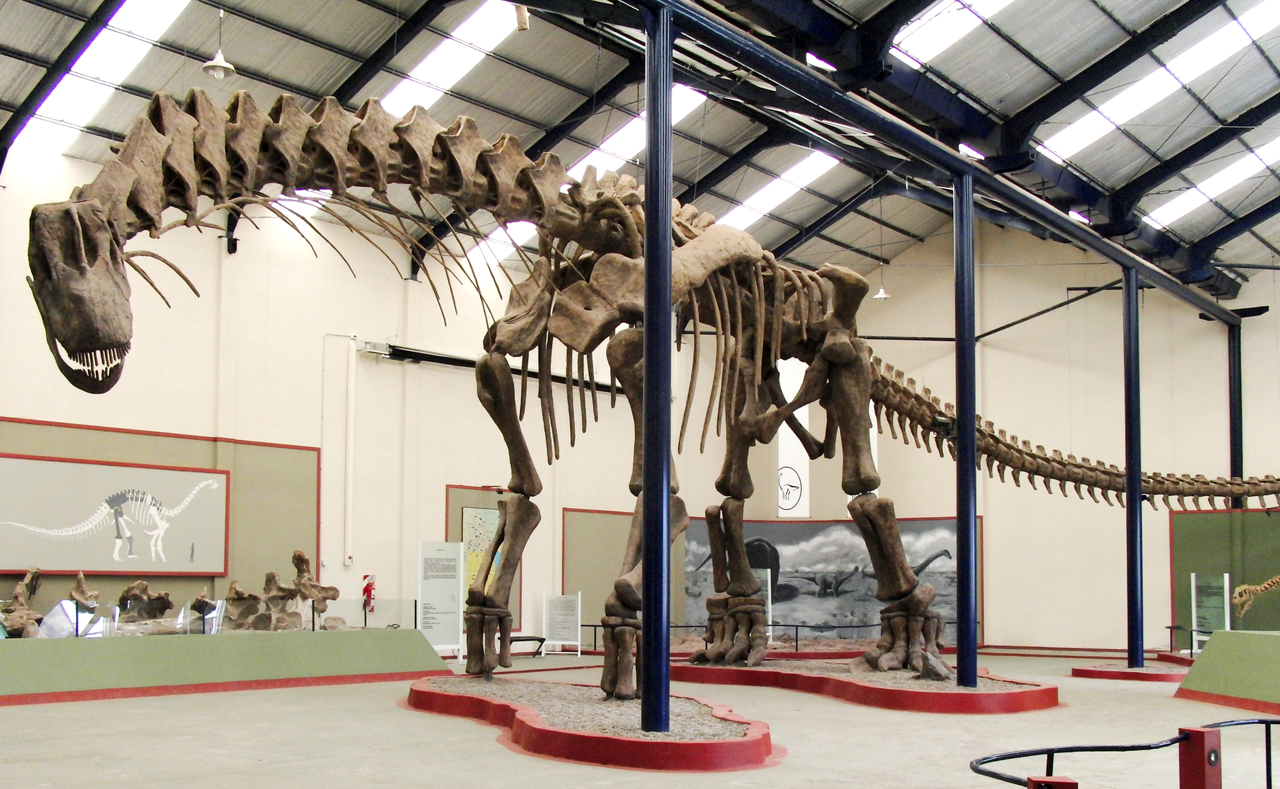
Sauropoda is the group name for the familiar long-necked, long-tailed giants of the Mesozoic. They are conventionally treated as an infraorder within the saurischian branch of dinosaurs. Sauropods are best known for a distinctive body plan: extremely elongated necks, massive tails, very small heads relative to body size, and stout, columnar limbs. Many species attained sizes far exceeding those of any other land animals in Earth history, making them a central subject of research in paleobiology, functional anatomy and ecology.
Image gallery
10 Images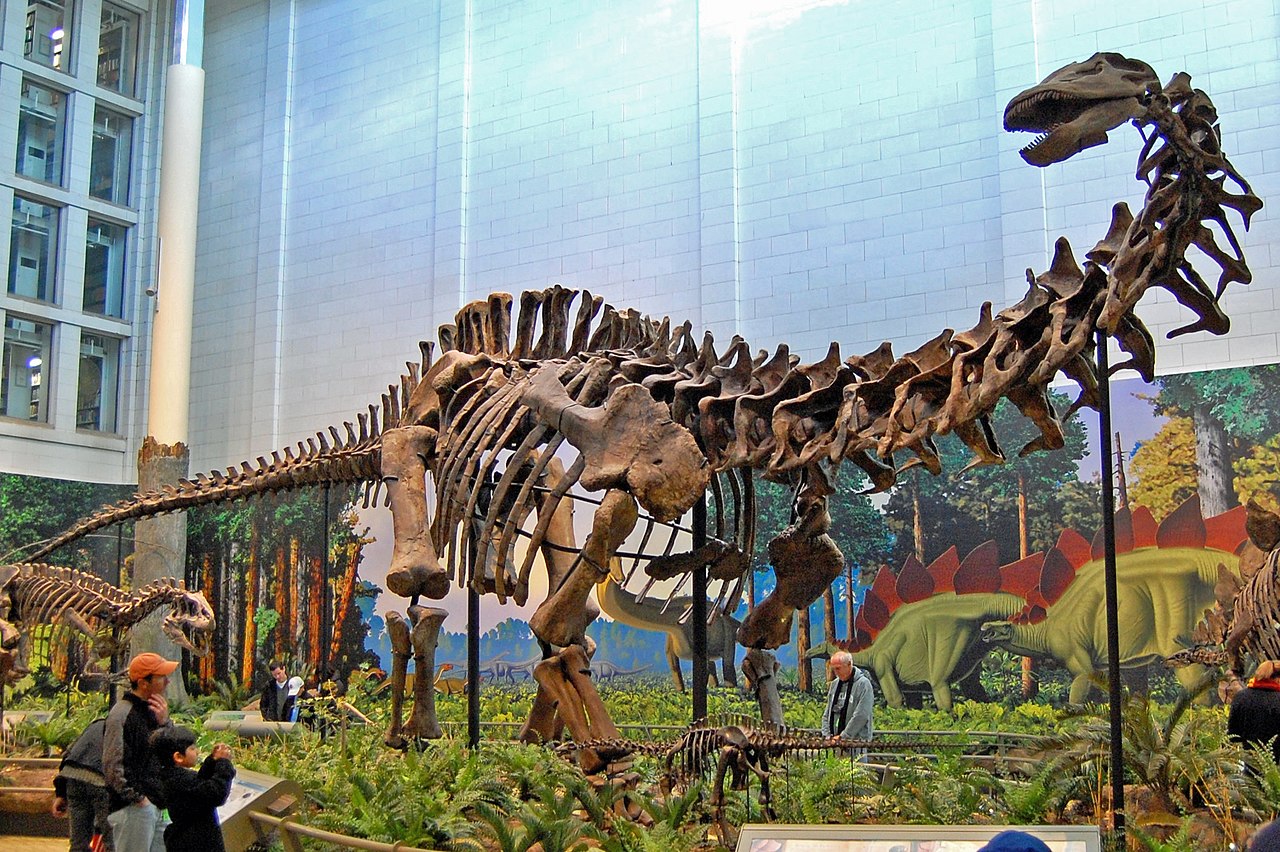




Characteristic anatomy and adaptations
Typical sauropod anatomy combined features that supported large size and a high browsing lifestyle. Their vertebrae were often pneumatic (containing air spaces) which lightened the skeleton; neck vertebrae could be elongated and highly specialized for mobility and support. Heads were generally small and tooth form varied from peg-like or spoon-shaped to more robust teeth in later groups, reflecting different feeding strategies. Limbs were thick and columnar to bear great weight, with forelimbs and hindlimbs arranged beneath the body rather than sprawling. Soft-tissue reconstructions and biomechanical studies suggest adaptations for efficient breathing, digestion of large volumes of plant matter, and support of a long neck while feeding.
Evolution and geological distribution
Sauropods first emerged in the Late Triassic, with early relatives appearing by the Upper Triassic period. Through the Jurassic they diversified and spread widely. By the Upper Jurassic many lineages, including the long-tailed diplodocids and the high-shouldered brachiosaurids, were abundant in continental ecosystems. Later, in the Cretaceous, those groups declined in many regions and were supplanted by the diverse titanosaurs, which achieved a near-global distribution during the Upper Cretaceous. Fossil remains attributed to sauropods have been found on every continent, including high-latitude sites in Antarctica, indicating a wide ecological tolerance.
Fossil record and scientific challenges
The sauropod fossil record is rich but presents challenges. Complete skeletons remain comparatively rare; many species—particularly the largest—are known from partial or disarticulated bones. Important clues come from isolated vertebrae, limb bones and teeth, while skulls are often missing from otherwise well-preserved specimens. Fossilization biases, taphonomic processes and the immense size of some individuals complicate estimates of body mass, growth rates and life history. Paleontologists rely on comparative anatomy, bone histology and computer modelling, and on the study of fossilised trackways and nesting sites to reconstruct behaviour and ecology.
Notable genera and groups
- Brachiosaurus — recognized for its long forelimbs and elevated shoulders, giving it a giraffe-like posture.
- Diplodocus — notable for an extremely long, whip-like tail and a slender build among sauropods.
- Apatosaurus — a robust, heavy-bodied genus with a complicated taxonomic history.
- Brontosaurus — long celebrated in popular culture and subject to taxonomic revision in scientific literature.
- Titanosaurs — a widespread Late Cretaceous radiation that included some of the heaviest land animals.
Importance and cultural presence
Sauropods occupy a prominent place in both scientific study and public imagination. Their extreme sizes make them useful case studies for questions about vertebrate scaling, physiology and ecosystem engineering by herbivores. Complete skeletons, iconic museum mounts and frequent appearances in books, films and educational media have cemented their image as archetypal dinosaurs. Despite that visibility, ongoing discoveries and new analytical techniques continue to refine our understanding of sauropod diversity, behaviour and evolutionary relationships.
Further reading and resources
For introductions to sauropod anatomy, evolution and major discoveries, consult general paleontology texts and up-to-date reviews; specific online resources and databases collect specimen information and recent research summaries (infraorder overview, saurischian context, dinosaur summaries, and entries on individual genera such as Brachiosaurus, Diplodocus, Apatosaurus, Brontosaurus). Paleontological surveys cover the Triassic origins (Upper Triassic), Jurassic radiations (Upper Jurassic) and Cretaceous transitions (Upper Cretaceous), including the roles of diplodocids, brachiosaurids and titanosaurs. For fossil preservation topics see resources on fossilised remains and high-latitude discoveries in regions like Antarctica.
Questions and answers
Q: What is Sauropoda?
A: Sauropoda is an infraorder of saurischian ("lizard-hipped") dinosaurs. They had very long necks, long tails, small heads (in comparison to the rest of their body), and thick, pillar-like legs and peg-like teeth.
Q: What are some well-known genera of Sauropoda?
A: Well-known genera of Sauropoda include Brachiosaurus, Diplodocus, Apatosaurus and Brontosaurus.
Q: When did Sauropods first appear?
A: Sauropods first appeared in the Upper Triassic period.
Q: What was the probable ancestral group for Sauropods?
A: The probable ancestral group for Sauropods was the Prosauropoda.
Q: How widespread were diplodocids and brachiosaurids by the Upper Jurassic period?
A: By the Upper Jurassic period (150 million years ago), diplodocids and brachiosaurids had become widespread.
Q: Who replaced diplodocids and brachiosaurs by the Upper Cretaceous period? A: By the Upper Cretaceous period, diplodocids and brachiosaurs had been replaced by titanosaurs which were larger relatives of the brachiosaurs.
Q: Where have fossilised remains of sauropods been found?
A:Fossilised remains of sauropods have been found on every continent, including Antarctica.
Related articles
Author
AlegsaOnline.com Sauropoda: the long-necked giant dinosaurs Leandro Alegsa
URL: https://en.alegsaonline.com/art/87574
Sources
- ploscollections.org : ploscollections.org/article/info:doi/10.1371/journal.pone.0078572
- miketaylor.org.uk : miketaylor.org.uk/dino/neck-posture/