
Quail: Small Galliform Birds — Biology, Culture, and Conservation
Quail are several genera of small- to mid-sized ground birds in the order Galliformes. This article explains their appearance, classification, behavior, uses in food and sport, and conservation concerns.
Overview
Quail is a common name for various genera of small- to mid-sized terrestrial birds in the order Galliformes. These birds are frequently described as fowl and are well known for their rounded bodies, short tails, and cryptic plumage. The term covers species found across much of the world, grouped informally by similar size and habits rather than a single taxonomic genus. Many general references identify quail as mid-sized birds adapted to life on the ground.
Image gallery
2 Images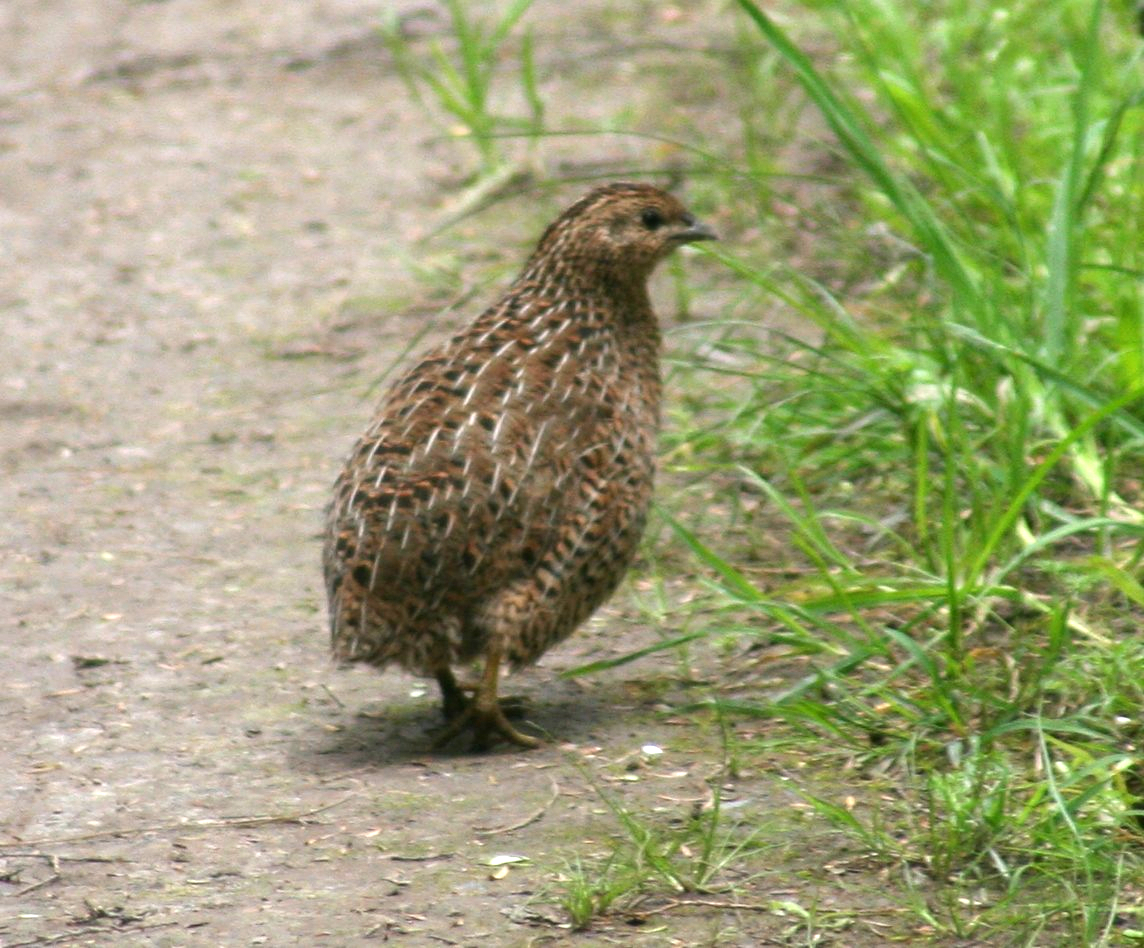

Characteristics and identification
Quail typically have stout bodies, strong legs for scratching at the soil, and a short, curved beak suited to an omnivorous diet of seeds, insects and plant material. Plumage tends to be mottled or streaked, providing camouflage in grassland, scrub and agricultural landscapes. Some species show sexual dimorphism, with males having more distinct markings or brighter colors.
- Size: small to medium, compact build.
- Diet: seeds, grains, insects, and shoots.
- Habitat: grasslands, scrub, farmland and open woodlands.
- Social structure: many species form small groups outside the breeding season.
Taxonomy and regional groups
Species commonly called quail belong to different families. Old World quail are usually placed in the family Phasianidae, which also contains pheasants and partridges. New World quail are classified in the family Odontophoridae and are distinct genetically and behaviorally from Old World forms. Because the label "quail" refers to several genera, it is useful to consider regional lineages separately when discussing ecology or management.
Human uses, hunting, and introductions
Quail have long been valued for meat and eggs and are raised commercially and on small farms. Many larger species are hunted recreationally; game farms sometimes rear quail for release to support shooting activities or to bolster local populations. Such releases can result in introduced populations outside a species' historic range, which requires careful management to avoid ecological problems. Quail are also kept as ornamental birds or pets in backyard aviaries.
Behavior, reproduction, and social terms
Quail are generally ground-nesters; a female lays a clutch of speckled eggs in a shallow scrape lined with vegetation. Many species are precocial—chicks are active and feed themselves shortly after hatching. When disturbed, quail often run to cover rather than fly. The collective noun for a group of quail is variously a flock, covey, or bevy, reflecting different cultural usages.
Conservation and notable facts
Population trends vary by species. Some quail thrive in agricultural mosaics, while others are declining because of habitat loss, changing land use and predation by introduced mammals. Conservation actions include habitat restoration, regulated hunting, and careful oversight of captive releases. Quail species are useful study subjects for ecology and game management because of their sensitivity to habitat structure and their cultural importance as game and food birds.
For more general or region-specific information consult field guides and avian references, or follow links to authoritative resources for taxonomy, hunting regulation and conservation guidance.
Related articles
Author
AlegsaOnline.com Quail: Small Galliform Birds — Biology, Culture, and Conservation Leandro Alegsa
URL: https://en.alegsaonline.com/art/80364
Sources
- npwrc.usgs.gov : USGS - Animal congregations, or What do you call a group
- merriam-webster.com : Bevy