
Querétaro dusky rattlesnake (Crotalus aquilus)
A venomous pit viper native to the highlands of central Mexico. Overview of appearance, habitat, behavior, human interactions, and conservation considerations for the Querétaro dusky rattlesnake.
Overview: The Querétaro dusky rattlesnake (Crotalus aquilus) is a venomous pit viper native to the upland regions of central Mexico. It is known for a generally muted, dusky color pattern that helps it blend into rocky slopes and grassland mosaics. Local people are familiar with the species and its habits; scientific interest has grown as herpetologists document its distribution and variation. For general range information see range details.
Image gallery
2 Images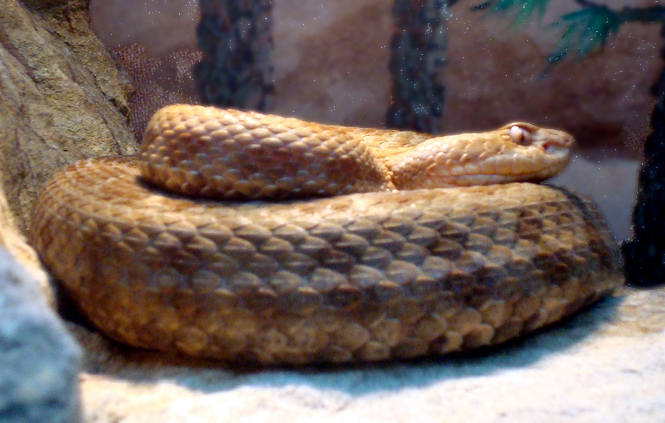

Identification and physical traits
This rattlesnake is small to medium-sized compared with some other rattlesnakes. Adults are typically less than one metre in total length. Distinguishing characteristics include a triangular head, heat-sensitive pit organs between the nostrils and eyes, keeled dorsal scales, and a terminal rattle on the tail. Coloration tends toward gray, brown, or olive tones with darker blotches or crossbands that produce a cryptic, dusky appearance. For taxonomy and specimen records consult taxonomic sources.
Distribution and habitat
Crotalus aquilus is chiefly associated with highland plateaus and mountains in central Mexico. It occupies a variety of relatively cool, elevated habitats such as pine–oak woodland edges, rocky outcrops, and open grassland patches. The species’ use of microhabitats — rocky crevices, burrows, and fallen logs — helps it thermoregulate and ambush prey. See local natural history notes at regional accounts.
Behavior and diet
Like other pit vipers, the Querétaro dusky rattlesnake is an ambush predator. It commonly feeds on small mammals, lizards, and occasionally amphibians or birds, striking rapidly and using venom to subdue prey. Activity patterns may be crepuscular or nocturnal in warm seasons and more diurnal at higher elevations or cooler times. Reproduction is viviparous (giving birth to live young), a trait shared across the genus.
Human interactions and conservation
This species is venomous and can deliver medically significant bites; however, documented encounters tend to be local and bites are not as widely reported as for some lowland rattlesnakes. Traditional knowledge among rural communities often informs safe coexistence. Habitat modification and fragmentation affect local populations in parts of its range. For conservation assessments and outreach resources, see conservation information.
Notable facts and distinctions: The specific name and common name reference the species’ association with central Mexican highlands and its generally dusky coloration. It is one of several small- to medium-sized rattlesnakes in the region; careful morphological or genetic study is sometimes needed to distinguish closely related taxa. Ongoing field surveys continue to refine understanding of its distribution and ecological role.
Questions and answers
Q: What is the Querétaro dusky rattlesnake?
A: The Querétaro dusky rattlesnake is a species of venomous Pit viper found usually on highlands of central Mexico.
Q: What is the scientific name of this species?
A: The scientific name of this species is Crotalus Aquilus.
Q: What is the meaning of the Latin word "Aquilus" in the scientific name?
A: The Latin word "Aquilus" in the scientific name means "eagle", referring to the highlands on which it lives on.
Q: Where is the Querétaro dusky rattlesnake usually found?
A: The Querétaro dusky rattlesnake is usually found on highlands of central Mexico.
Q: Is the Querétaro dusky rattlesnake a well-known species?
A: No, the Querétaro dusky rattlesnake is not a very well-known species of rattlesnake.
Q: Who knows a lot about the Querétaro dusky rattlesnake?
A: The people in Mexico know much about the Querétaro dusky rattlesnake.
Q: What is the other name for the Querétaro dusky rattlesnake?
A: The Querétaro dusky rattlesnake is also known as the "Vibora de cascabel".
Related articles
Author
AlegsaOnline.com Querétaro dusky rattlesnake (Crotalus aquilus) Leandro Alegsa
URL: https://en.alegsaonline.com/art/80500