
Galliformes: the order of ground‑dwelling birds (pheasants, quail, chickens)
Galliformes are heavy-bodied, mostly terrestrial birds—pheasants, grouse, turkeys, quail and chickens—comprising over 250 species worldwide; many are game or domesticated and show strong adaptations for scratching and running.
Overview
Galliformes is an order of mostly ground‑dwelling birds that includes familiar groups such as turkeys, grouse, chickens, quails and pheasants. More than 250 living species occur worldwide in a variety of habitats—forests, grasslands, scrub and agricultural areas. They are well known for their heavy bodies, strong legs, and a lifestyle centered on walking, scratching and short bursts of flight rather than sustained aerial travel.
Image gallery
10 Images



Physical characteristics
Galliform birds typically have an anisodactyl foot arrangement with three long forward toes for digging and one shorter hind toe. Most are compact with rounded wings adapted for rapid takeoff and limited flight. Plumage often shows sexual dimorphism: males may be larger and more colorful, while females are cryptically colored for nesting. Young are usually precocial—hatched in an advanced state and able to follow parents and feed themselves shortly after hatching.
Taxonomy and notable families
The order is divided into several families with distinct distributions and ecologies. Major groups commonly recognized include:
- Phasianidae — pheasants, partridges, and many gamebirds
- Odontophoridae — New World quails
- Cracidae — guans, chachalacas and curassows (Neotropical)
- Numididae — guineafowl (Africa)
- Megapodiidae — megapodes or mound builders (Australo‑Pacific)
Evolution and fossil record
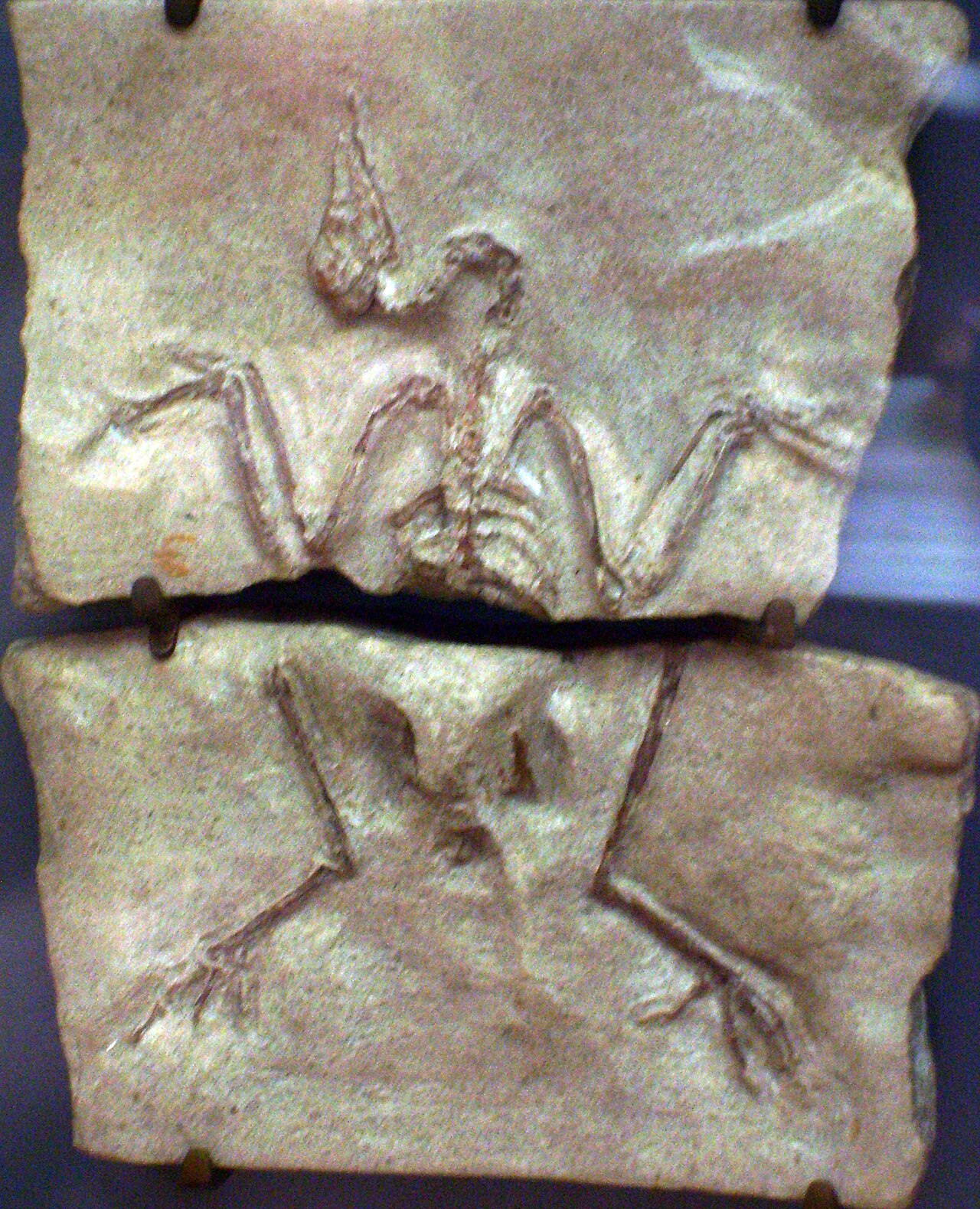
Galliforms are an ancient lineage with fossil remains that suggest an origin by the late Cretaceous or early Paleogene. Over time they diversified into forms adapted to ground foraging and brooding strategies; megapodes, for example, use environmental heat to incubate eggs rather than brooding. Phylogenetic studies based on morphology and molecular data continue to refine relationships within the group.
Ecology, human uses and conservation
Ecologically, galliforms play roles as seed predators and dispersers and as prey for larger predators. Many species are important to humans: the domestic chicken (derived from wild junglefowl) is a staple livestock species, while other galliforms are raised for meat, eggs or sport hunting. At the same time, habitat loss, overhunting and introduced predators have placed numerous species at risk; some populations have declined sharply, and conservation actions include habitat protection, captive breeding and harvest regulation.
Distinguishing features
Galliformes are best distinguished from other bird orders by their stocky build, strong legs, toe arrangement, precocial young and a general tendency toward terrestrial habits. Though global in reach, their diversity and prominence in human culture make them one of the most familiar groups of wild and domestic birds.
Related articles
Author
AlegsaOnline.com Galliformes: the order of ground‑dwelling birds (pheasants, quail, chickens) Leandro Alegsa
URL: https://en.alegsaonline.com/art/37316