
Game (wild animals hunted for food and sport)
Wild animals taken by hunting for food, sport or tradition; categories, examples, cultural uses, regulation, conservation and culinary notes on game and game birds.
Overview
Game denotes wild animals that are pursued by humans for food, sport, or cultural practice. The word contrasts with livestock and captive-bred animals; it traditionally refers to species that are not normally domesticated. Hunting for game can serve subsistence needs, recreational interests, or ritual and social functions. For a different meaning of "game" as play and entertainment see the article on games.
Image gallery
10 Images




Categories and common examples
Hunters and regulators usually divide game into informal groups based on size and behavior:
- Small game — small mammals and birds taken in quantity or with small-caliber arms; examples include squirrels and rabbits.
- Ground game — terrestrial species that inhabit fields and woods; these overlap with small game and may be listed separately.
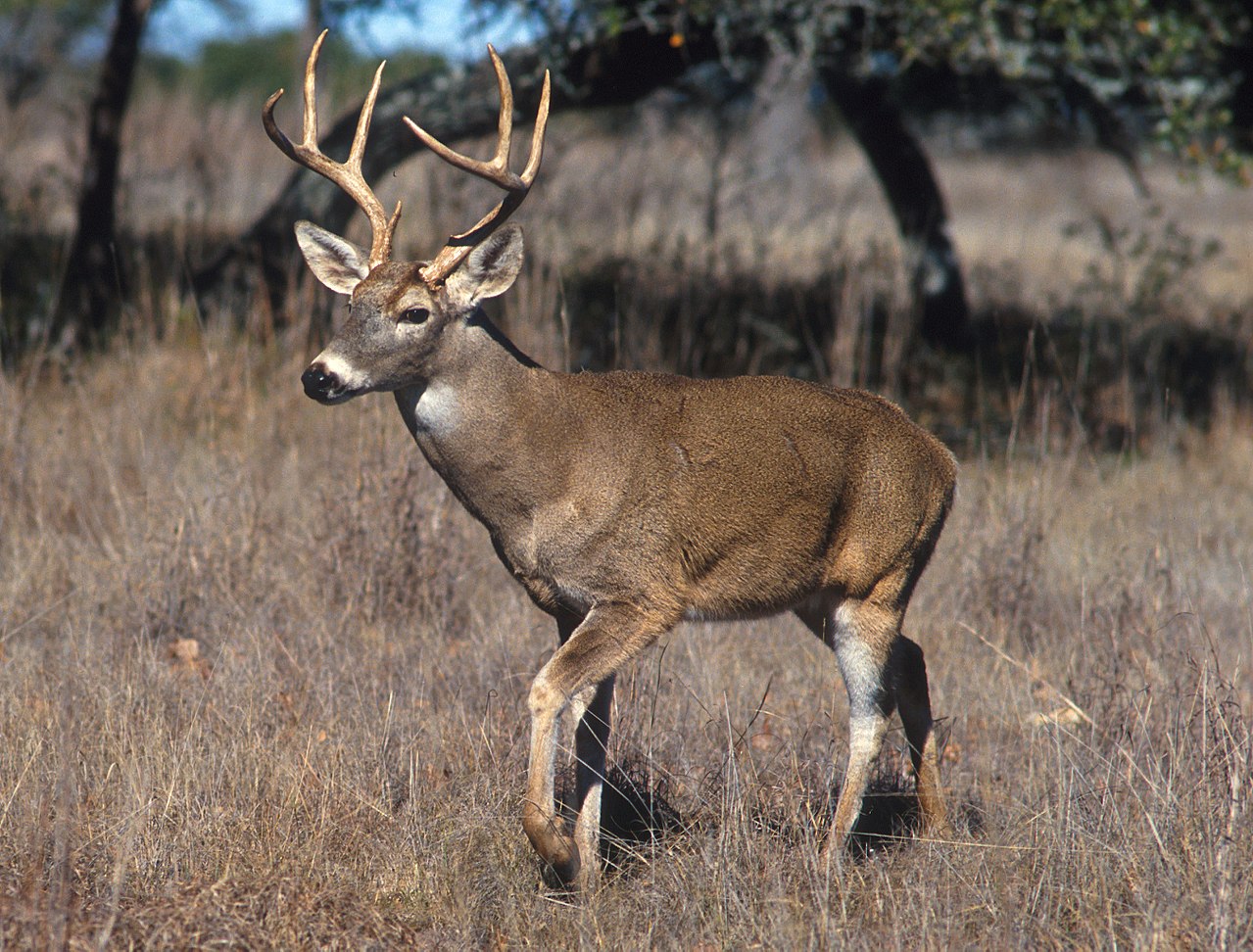
- Big game — larger ungulates and predators pursued for larger trophies or meat, such as deer and moose.
- Game birds — species pursued for sport or table use, commonly including partridge, grouse, and quail.
Uses and culinary importance
Game is often prized for its meat, which some people prefer for flavor or perceived naturalness. Hunters take animals for food and for trophies or population control; cultural traditions may emphasize seasonal harvests, communal feasts, and recipes passed through generations. Whether pursued for subsistence or recreation, game plays a role in rural economies and gastronomy.
Regulation, management and conservation
Because unregulated hunting can harm populations, most jurisdictions maintain laws and seasons to manage take. Rules govern when and where animals may be hunted, the species considered game, permissible methods, bag limits, and licensing. Proper management aims to balance human use with habitat protection and species conservation.
Distinctions and contemporary issues
Debates surrounding game include ethical hunting practices, the impact of sport hunting on ecosystems, and the line between wild-caught and farmed game. In some regions hunting remains an important cultural identifier and a means of maintaining traditional land knowledge; in others, changing attitudes have led to stricter controls or reduced participation.
Understanding game requires attention to ecological context, local law, and cultural values. For more on related topics and different senses of "game," consult further resources in hunting regulation, wildlife biology, and culinary traditions.
Related articles
Author
AlegsaOnline.com Game (wild animals hunted for food and sport) Leandro Alegsa
URL: https://en.alegsaonline.com/art/37388
Sources
- britannica.com : "game (meat) -- Britannica Online Encyclopedia"