
Prawn: biology, habitat, and human uses
Prawns are decapod crustaceans closely related to shrimp, crabs and lobsters. This article covers their biology, habitat, economic importance, culinary role and the taxonomic and regional uses of the name.
Overview
Prawns are aquatic decapod crustaceans belonging primarily to the suborder Dendrobranchiata, though the common name "prawn" is also applied loosely in commerce and cooking to several related groups. They share many features with shrimp, crabs and lobsters and are important components of coastal and estuarine ecosystems as well as global seafood markets. In everyday language the terms "prawn" and "shrimp" are often used interchangeably; however, scientists and fishers sometimes distinguish them by anatomy, life history and habitat.
Image gallery
10 Images





Anatomy and biology
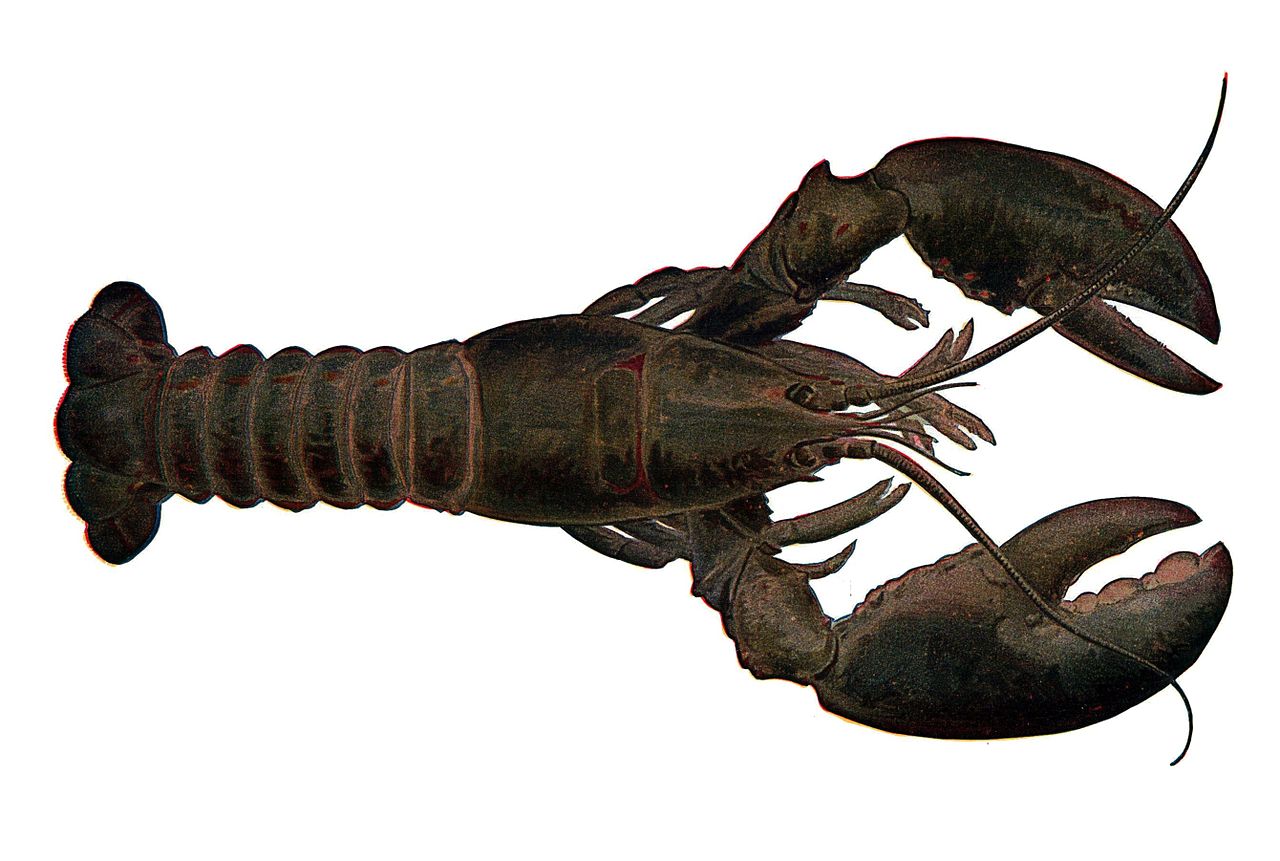
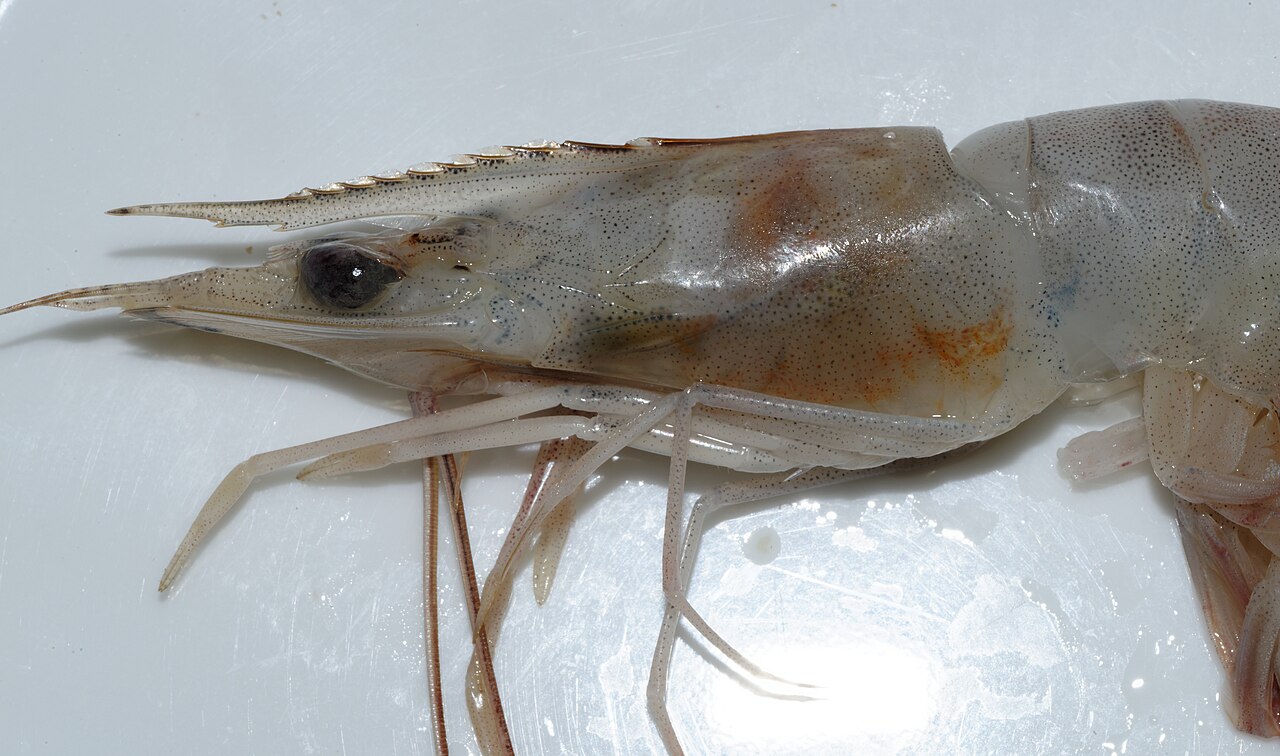
Prawns have the basic decapod body plan: a segmented thorax and abdomen, a chitinous exoskeleton, and five pairs of walking legs. Like other crustaceans they possess two pairs of antennae used for sensing their environment. A notable anatomical feature of many prawns is their dendritic gill structure — gills that branch like small trees — which contrasts with the lamellar gills found in some other shrimp groups. Reproductive strategies vary among species; some release eggs directly into the water column, while others display brooding behavior. Growth occurs by molting, a process in which the animal sheds its old shell and forms a larger one.
Habitat, distribution and diet
Prawns inhabit a wide range of environments, from shallow coastal waters and estuaries to deeper offshore beds; some species live in freshwater. Many species favor warm, sheltered waters and are abundant in the tropics and subtropics, though several occur in temperate zones and the Northern Hemisphere. They are typically benthic or demersal, living near the seabed or among aquatic vegetation where they find shelter and food. Diets vary by species but commonly include plankton, algae, detritus and small invertebrates; some prawns are active scavengers while others filter fine particles from the water.
Economic and culinary importance
Prawns represent a major seafood commodity worldwide. They are harvested by wild fisheries and produced in aquaculture, and they play a central role in many regional cuisines, particularly in South and Southeast Asia. Farming and fishing of prawns have substantial economic value but also raise environmental and social issues, such as habitat modification, disease outbreaks in farms, and supply-chain concerns. Culinary distinctions often reflect size, preparation and regional naming: in many English-speaking countries the word "prawn" denotes larger specimens while "shrimp" refers to smaller ones.
Taxonomy, naming and notable distinctions
Taxonomically, the name "prawn" is not restricted to a single rank and has different meanings in scientific and common usage. In strict scientific classification the group Dendrobranchiata contains the penaeoid prawns important to fisheries. In contrast, the everyday use of "prawn" varies by region and market. Notable distinguishing points include the branching gill structure mentioned above and differences in egg brooding between some suborders. For further reading on classification and specific species, see relevant systematic treatments and regional guides.
Summary and further resources
Prawns are versatile crustaceans with ecological, cultural and economic significance. They illustrate how common names in biology can mask a diversity of forms and life histories; for more technical details consult taxonomic literature or fisheries resources. General overviews and species accounts can be found via trusted biology references and regional aquaculture sources: tropical distribution summaries and fisheries databases provide additional context.
- Key traits: decapod body, two antenna pairs, dendritic gills in many species.
- Habitats: coastal, estuarine, freshwater and offshore environments.
- Uses: food, aquaculture, ecological role in food webs.
- Further reading: taxonomic works on Dendrobranchiata and regional species lists.
Related articles
Author
AlegsaOnline.com Prawn: biology, habitat, and human uses Leandro Alegsa
URL: https://en.alegsaonline.com/art/78639