
Prionailurus: the small spotted wild cats of Asia
Prionailurus is a genus of small, spotted wild cats native to Asia, including species adapted to forests and wetlands. This entry summarizes their features, ecology, taxonomy, and conservation concerns.
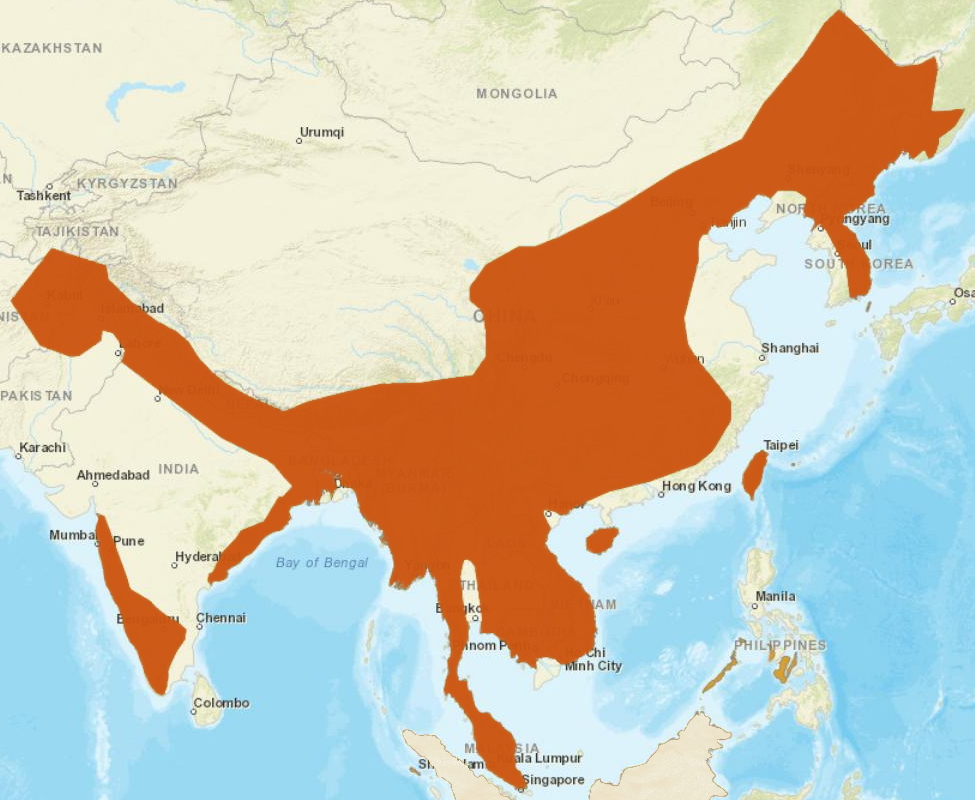
Prionailurus is a genus of small, spotted wild cats native to South, Southeast and East Asia. Members of the genus are typically forest or wetland dwellers and are notable for their ability to swim; two species show strong adaptations to hunting in and near water. For a concise genus overview see Prionailurus overview.
Image gallery
10 Images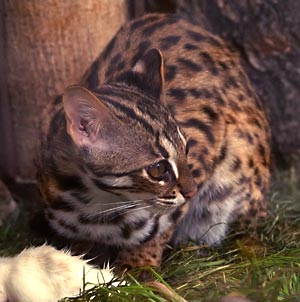




General characteristics
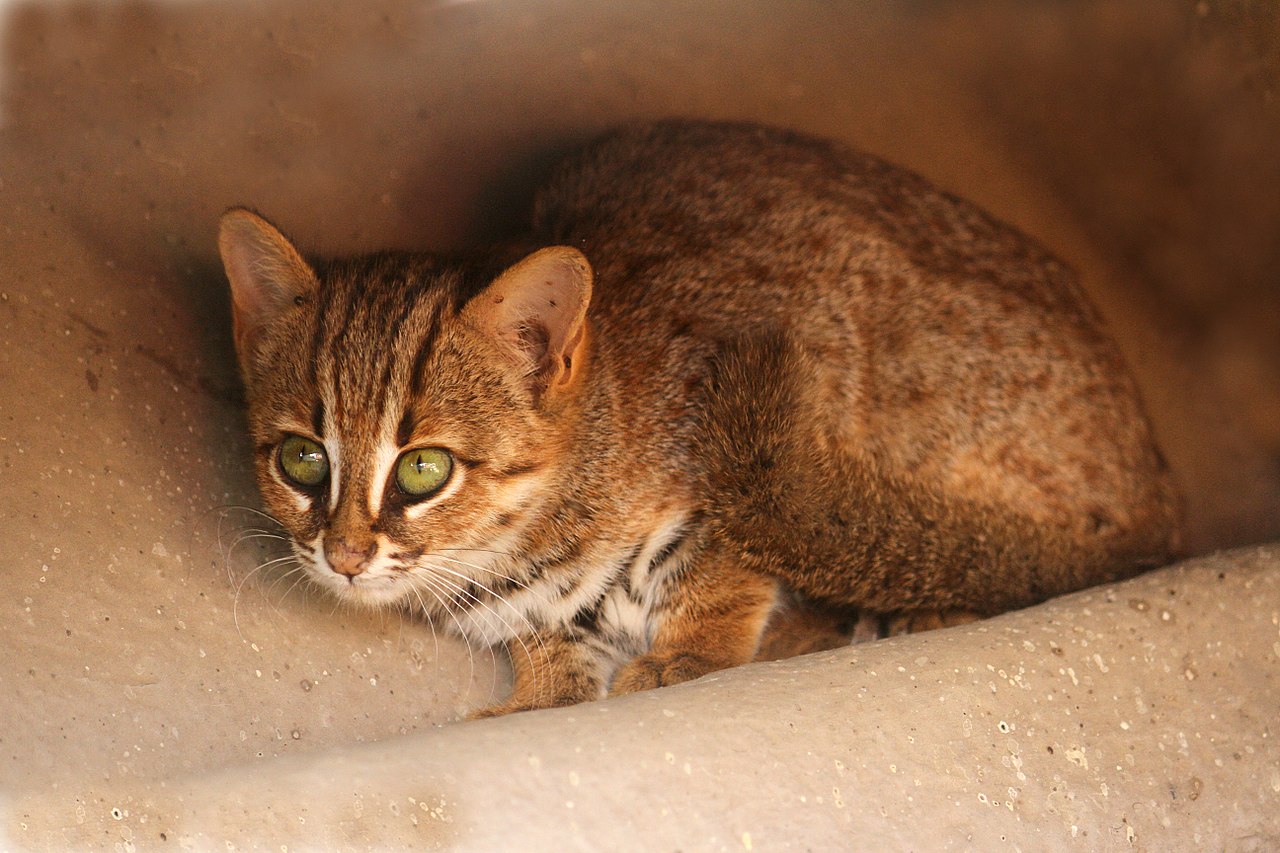
Prionailurus species are generally small compared with big cats, with coats patterned in spots or blotches that provide camouflage in dappled light. They have retractile claws, keen night vision and a carnivore dentition suited to eating small vertebrates. Body shape and skull proportions vary between species, reflecting different diets and hunting styles.
Major species and differences
- Leopard cat (Prionailurus bengalensis) — widely distributed and ecologically adaptable.
- Fishing cat (Prionailurus viverrinus) — semi-aquatic, often found near rivers and marshes and known for catching fish.
- Flat-headed cat (Prionailurus planiceps) — strongly associated with wetlands and fish-eating, with a distinctive flattened skull.
- Rusty-spotted cat (Prionailurus rubiginosus) — one of the smallest wild felids, secretive and primarily forest-dwelling.
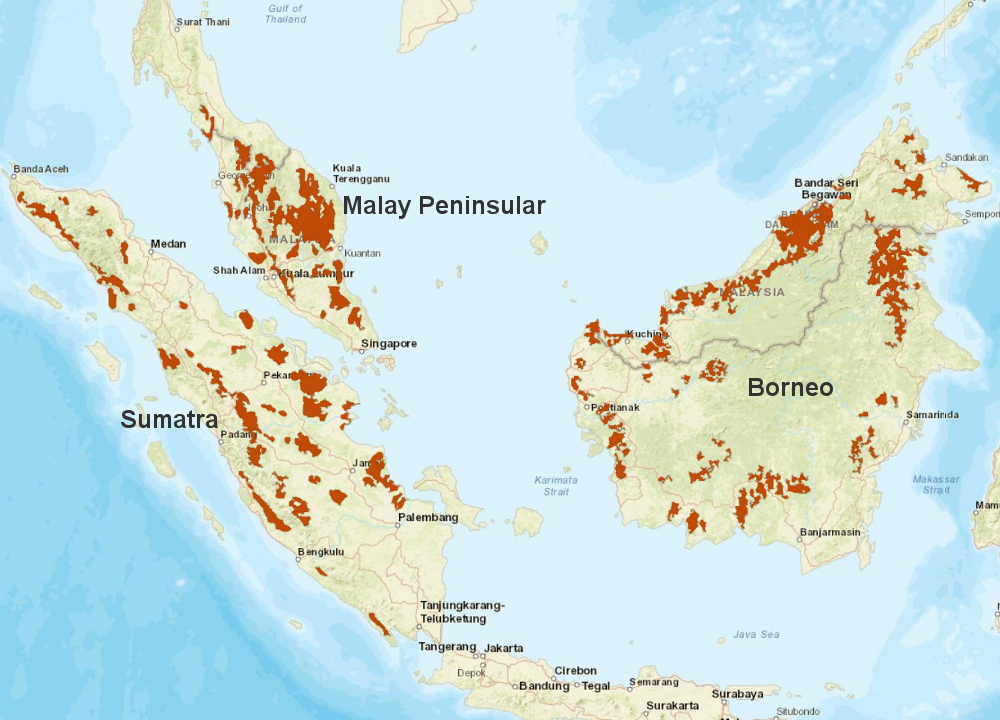
For a species list and distribution maps consult species resources.
Origins, taxonomy and research
The taxonomy of Prionailurus has been shaped by morphological and genetic studies. Pocock’s early classification of small Asian felids remains influential, and subsequent molecular work has refined relationships within the group. Ongoing research explores their evolutionary history and the degree of gene flow among populations.
Ecology and conservation
These cats occupy a range of habitats from tropical forest to freshwater wetlands and play roles as mesopredators, controlling rodents, frogs and fish. Major threats include habitat loss, wetland drainage, persecution, and fragmentation. Conservation status varies by species; some are relatively adaptable while others are vulnerable or endangered. Practical conservation actions emphasize habitat protection, wetland restoration and reducing human–wildlife conflict. Further guidance on habitat and protection is available at habitat and conservation and small felids resources.
Related articles
Author
AlegsaOnline.com Prionailurus: the small spotted wild cats of Asia Leandro Alegsa
URL: https://en.alegsaonline.com/art/79249
Sources
- bucknell.edu : "Order Carnivora"
- google.com : Mammal Species of the World
- worldcat.org : 62265494