
Prairie Dog: Social Ground Squirrels of North American Grasslands
Small burrowing ground squirrels (genus Cynomys) native to North American prairies. Highly social, keystone species with complex burrows, distinctive alarm calls, and conservation concerns such as disease and habitat loss.
Overview
Prairie dogs are a group of burrowing rodents belonging to the genus Cynomys, members of the larger family of ground squirrels. As small rodents, they are adapted to life on the open plains and short, grazed grasslands. Prairie dogs are notable for living in large, cooperative colonies often called "towns," where complex social behaviors and vocal communication play central roles in daily life.
Image gallery
10 Images




Physical characteristics and social structure
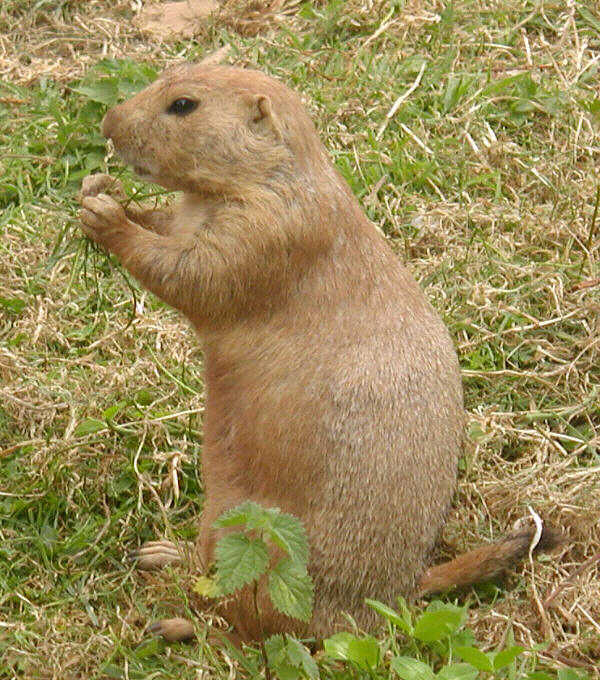
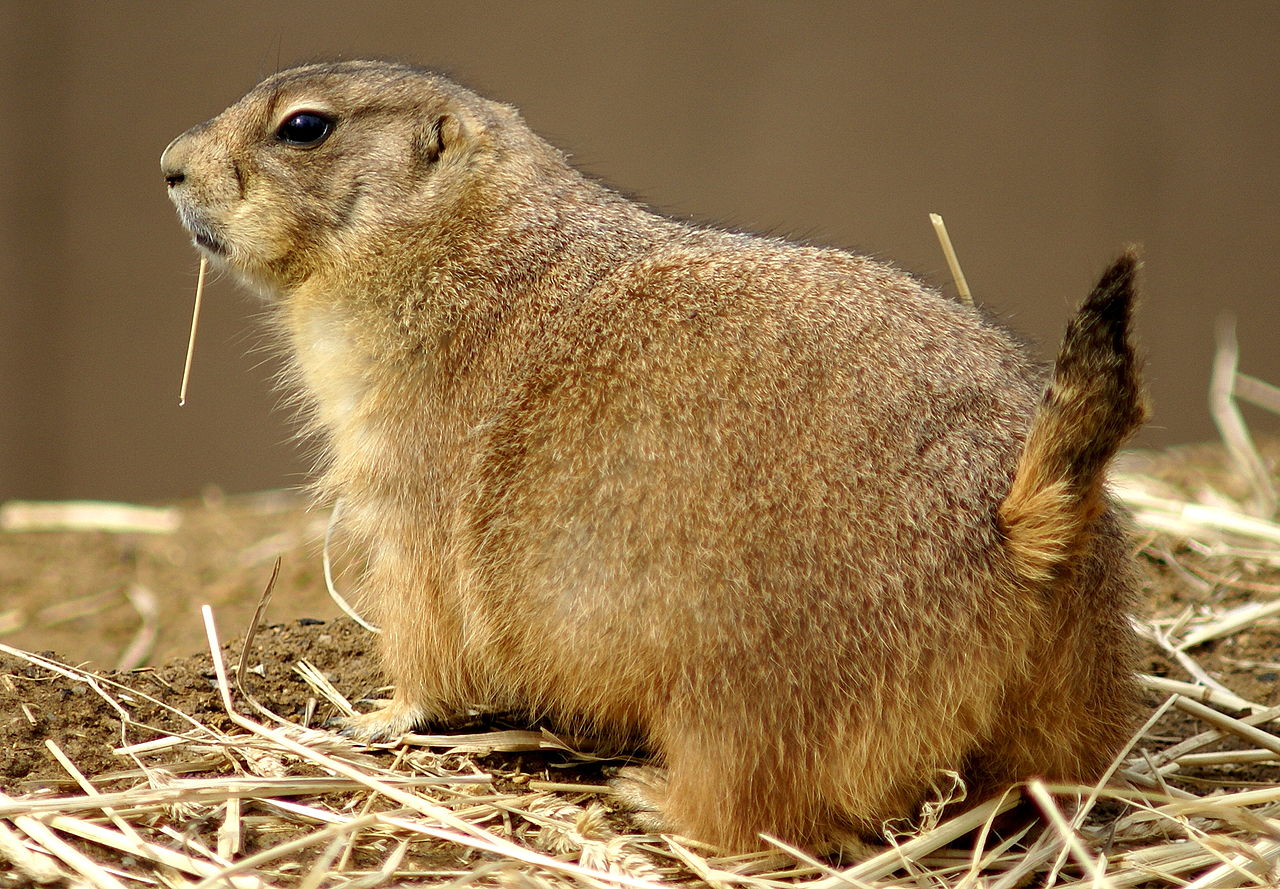
Prairie dogs are stocky animals with short limbs, strong claws for digging, and relatively short tails. Their coats vary by species and season but are generally shades of brown or tan which provide camouflage on the plains. Social units typically consist of related adults and their offspring, organized into family groups known as coteries. These coteries cooperate in foraging, grooming, sentinel duty, and rearing young. Prairie dogs communicate with a wide range of calls used to warn of predators or to coordinate activity.
Habitat and geographic range
Prairie dogs occupy open, well-drained grasslands across western North America. They are most commonly associated with short-grass prairies and the high plains, but local conditions and human changes to the landscape affect where they persist. Populations occur in parts of the United States primarily west of the Mississippi River, in the Canadian Prairies, and in northern Mexican states including Sonora, Chihuahua, Coahuila, Nuevo León, and Tamaulipas. Where habitat is suitable, prairie dogs construct extensive burrow systems with chambers for nesting, food storage, and refuge from weather and predators.
Diet and ecological role
Primarily herbivorous, prairie dogs feed on grasses, seeds, and other plant parts; they may also eat roots and occasionally insects. Their grazing can shape plant communities and their burrows provide shelter or nesting sites for many other species. Because of these influences, prairie dogs are often considered a keystone species—their presence can increase local biodiversity and affect soil and vegetation patterns.
Species, history, and human interactions
- Several recognized species include the black‑tailed, white‑tailed, Gunnison's, Utah, and Mexican prairie dogs; each differs in range and appearance.
- The common name "prairie dog" derives from their dog‑like barking alarm calls; historical accounts note that early explorers and naturalists were intrigued by their behavior. For example, an animal sent by Lewis and Clark was reported to President Jefferson during their expedition.
- Prairie dogs have long interacted with people as a source of fascination, nuisance, or conservation concern; they are also known to consume various cultivated vegetables and garden fruits when available.
Conservation and notable threats
Prairie dog populations have declined in many areas due to habitat conversion to agriculture and development, purposeful eradication, and disease. One significant threat is sylvatic plague, which can cause rapid die‑offs. Conservation efforts focus on habitat protection, disease management, and recognizing the ecological services prairie dogs provide, including support for species such as raptors, coyotes, and the endangered black‑footed ferret that depends on prairie dogs for food and burrows.
Questions and answers
Q: What are prairie dogs?
A: Prairie dogs are a genus of ground squirrels that burrow in short-grass prairies and the high plains of western North America.
Q: Where are prairie dogs found?
A: Prairie dogs are found in North America, primarily west of the Mississippi River in the United States and in the northern states of Mexico. They are also found in the Canadian Prairies.
Q: Who sent a prairie dog to President Thomas Jefferson?
A: The explorers Lewis and Clark sent a prairie dog to President Thomas Jefferson during their expedition, which was quite strange to him.
Q: What do prairie dogs eat?
A: Prairie dogs will eat all sorts of vegetables and fruits.
Q: What are some of the northern states of Mexico where prairie dogs are found?
A: Prairie dogs are mostly found in the northern states of Mexico, including northeastern Sonora, north and northeastern Chihuahua, northern Coahuila, northern Nuevo León, and northern Tamaulipas.
Q: Where are prairie dogs primarily found in the United States?
A: Prairie dogs are primarily found west of the Mississippi River in the United States, though they have also been introduced in a few eastern locales.
Q: Are prairie dogs a type of rodent?
A: Yes, prairie dogs are a type of burrowing rodent.
Related articles
Author
AlegsaOnline.com Prairie Dog: Social Ground Squirrels of North American Grasslands Leandro Alegsa
URL: https://en.alegsaonline.com/art/78612
Sources
- jan.ucc.nau.edu : Cognition and communication in prairie dogs,
- news.bbc.co.uk : Burrowing US prairie dogs use complex language.
- rednova.com : "Scientist: prairie dogs have own language"
- ngpc.state.ne.us : Nebraska Game and Park Commission: the Prairie Dog
- photography.nationalgeographic.com : The Vanishing Prairie Dog