
Summer — the warm season and its causes, climates, and cultural impact
Summer is the warmest season, produced by Earth’s tilt and orbit. This article explains its astronomical cause, regional climate variations, typical months, activities, risks, and cultural significance.
Overview
Summer is one of the four temperate seasons and is generally recognized as the warmest period of the year. It results from the hemisphere being tilted toward the Sun, producing longer daylight hours and higher solar elevation. Summer can be dry or wet depending on regional climate systems and is experienced at opposite times in each hemisphere.
Image gallery
10 Images





Astronomical cause and timing
The basic cause of summer is astronomical: when a hemisphere tilts toward the Sun, sunlight strikes more directly and days are longer. In the Northern Hemisphere this typically includes June through September, while the Southern Hemisphere’s warm months usually fall between December and March. Exact start and end dates vary by culture and meteorological convention.
Climatic diversity
Not all summers are the same. Mediterranean climates have hot, dry summers; monsoon regions experience a wet, humid summer with heavy rains; high-altitude or polar areas may remain cool or even snowy. Urban areas often show stronger heat during summer because of built surfaces and limited vegetation, a phenomenon known as the urban heat island effect.
Human activities and culture
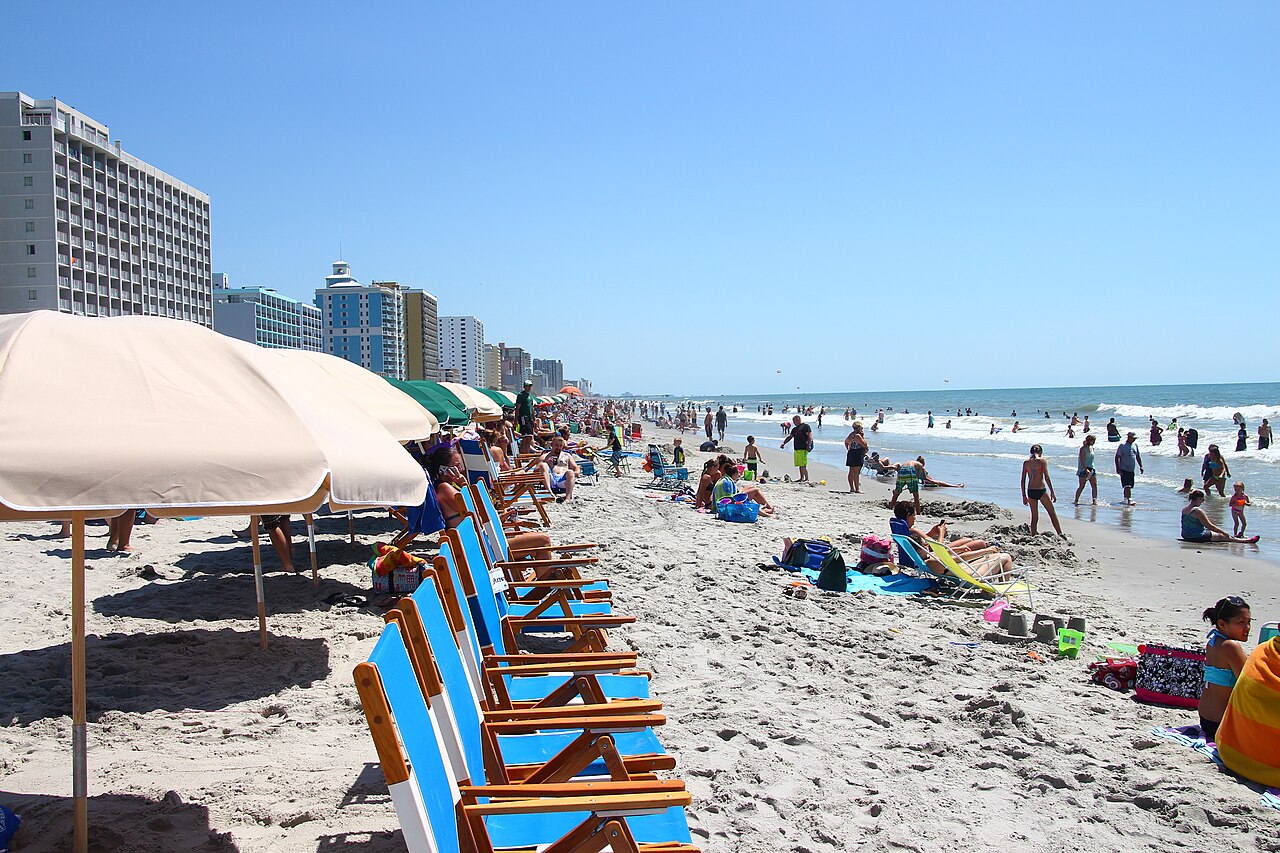
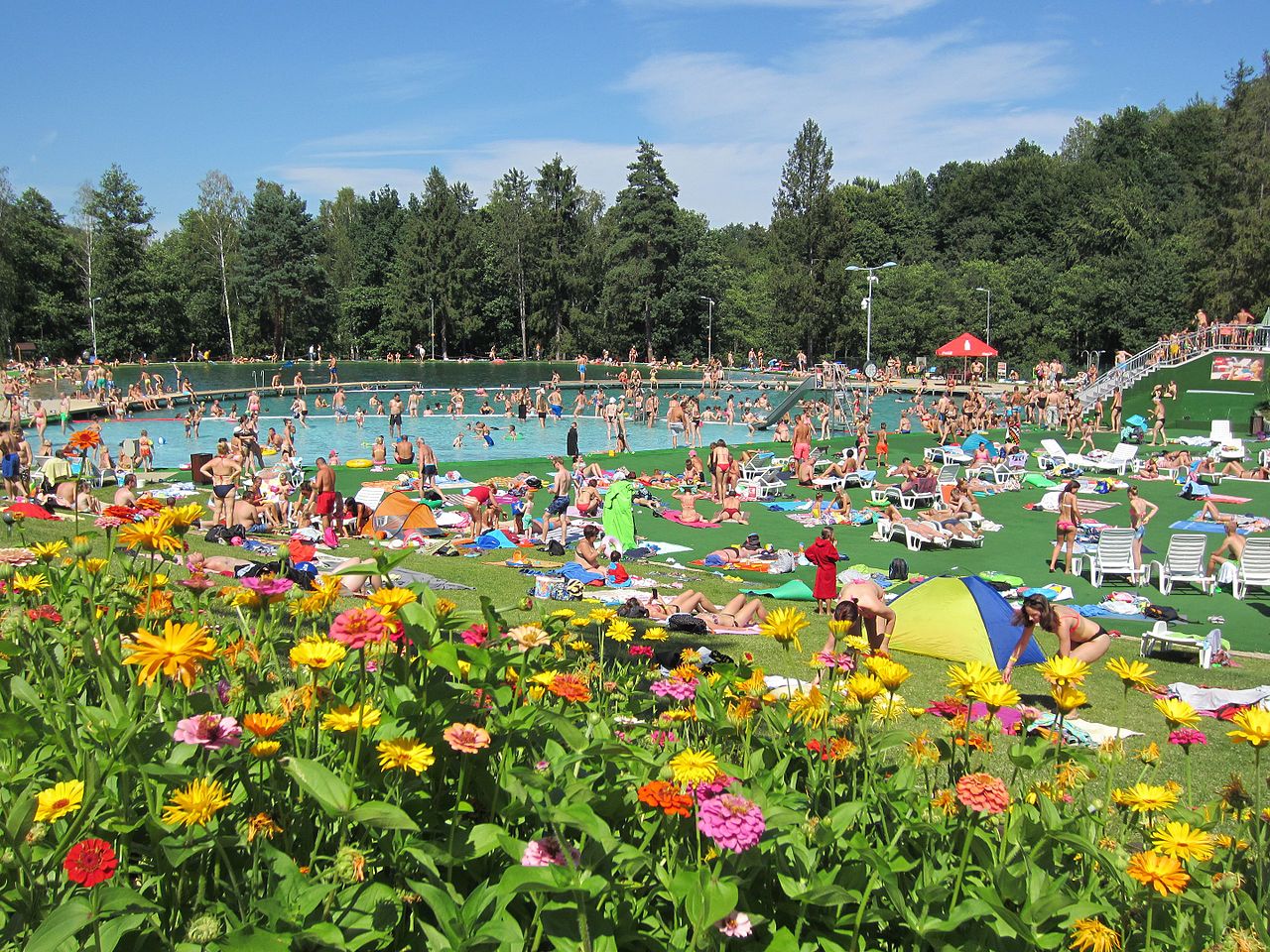
Summer is commonly associated with travel, outdoor recreation and festivals. People often visit beaches, camps, and seaside resorts, or organize picnics and open‑air events. Seasonal industries expand—tourism, ice cream and beverage sales, and outdoor construction all rise. Educational calendars in many countries include long summer breaks for students.
Health, environment and hazards
Higher temperatures bring benefits and risks. Longer, sunnier days support agriculture and outdoor life, but heat waves can threaten health, increase wildfire risk, and stress water supplies. Sun exposure raises vitamin D production but also the risk of sunburn and skin cancer, so protective measures are recommended during peak sunlight hours.
Typical activities and examples
- Beaches and seaside resorts attract swimmers and sunbathers.
- Camping and hiking are popular in temperate zones.
- Picnics and barbecues are common family pastimes.
- Festivals and fairs often take place outdoors.
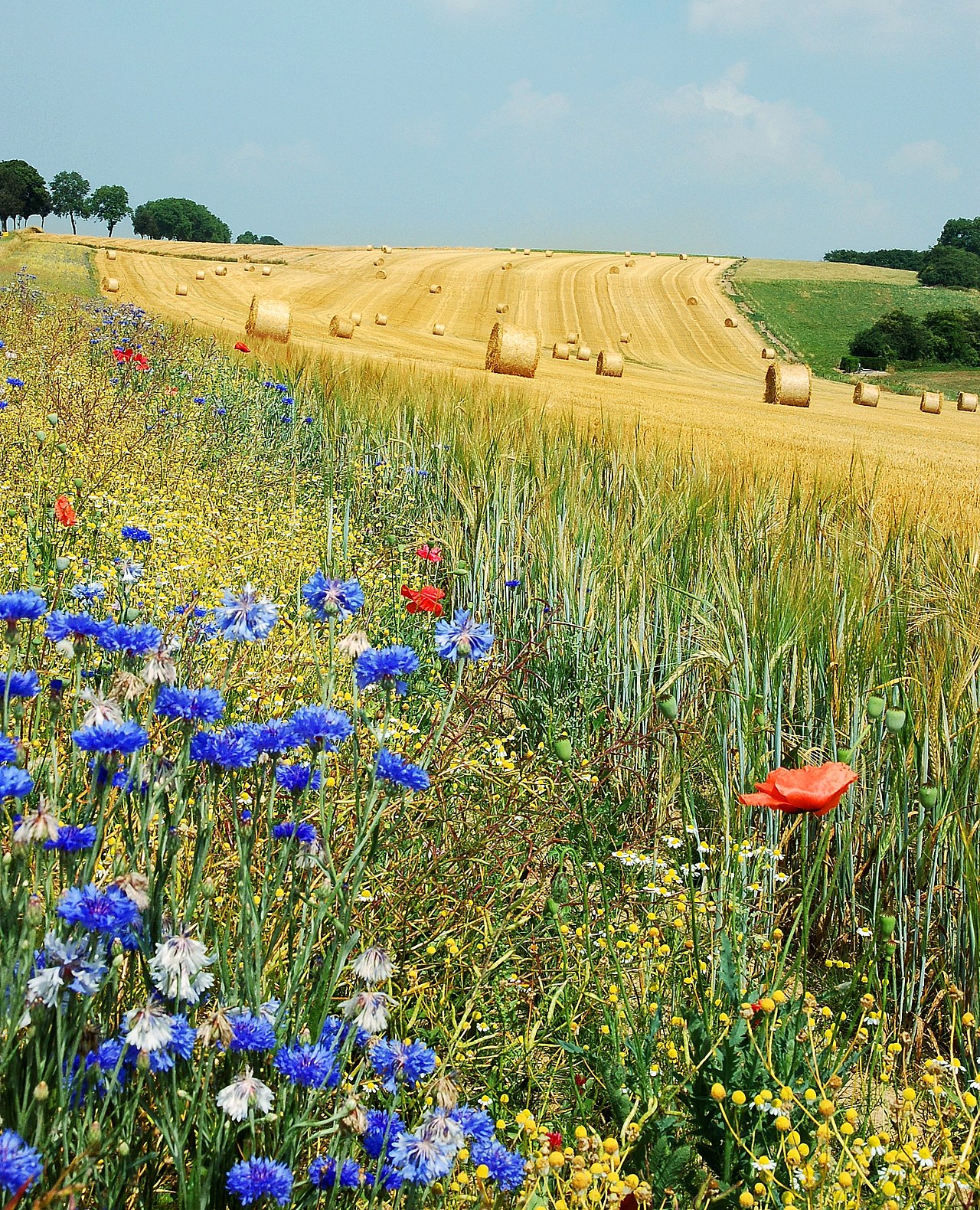
- Agricultural growing seasons peak in many regions.
Regional distinctions and notable facts
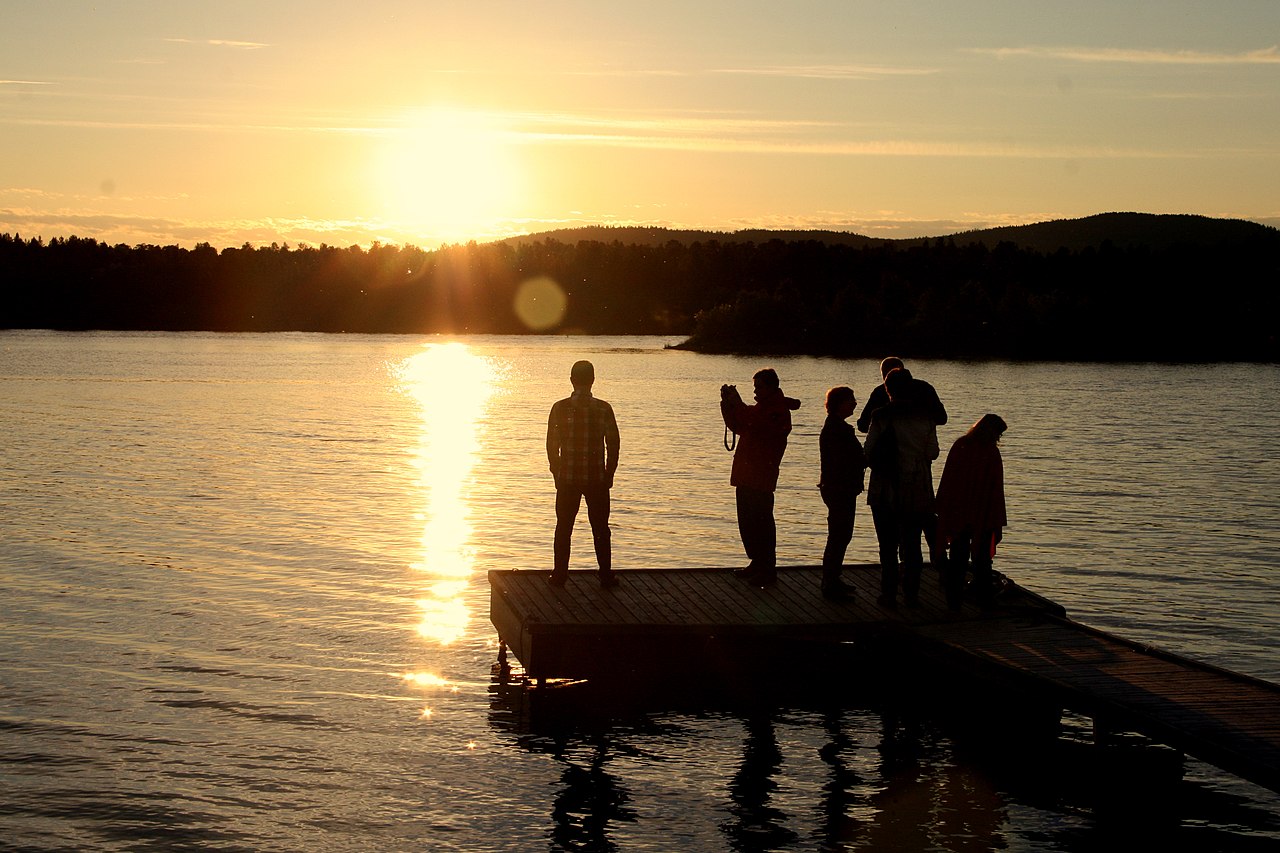
Cultures mark summer in different ways: some celebrate harvest‑related festivals, others hold midsummer rituals. In some climates summer is actually the rainy season; in others it is the driest. There are also places that experience snow or relatively cool conditions in months that are summer elsewhere. For further reading on seasons and regional patterns see seasons overview, climate types, and resources about travel planning and safety.
Practical guidance often covers sun protection, hydration, and heat‑wave preparedness; local advisories and forecasts are important. To explore seasonal activities, weather statistics, cultural events, and safety tips consult travel and climate sources such as tourism guides, public health advisories, and regional meteorological services represented here by weather information. For education and children's schedules look at school calendars, while economic impacts are discussed in reports on tourism and agriculture. For illustrative media and maps see related visual resources.
Related articles
Author
AlegsaOnline.com Summer — the warm season and its causes, climates, and cultural impact Leandro Alegsa
URL: https://en.alegsaonline.com/art/94792