
Ceres: Roman goddess of agriculture, fertility, and maternal care
Ceres, a central figure in Roman religion and myth, presided over agriculture, especially grain, fertility and motherly bonds. Her cult, myths and symbols shaped Roman life and later cultural references.
Overview
In ancient Rome the goddess Ceres occupied a prominent place in both religious practice and myth. Her name in Latin was Cerěs. She was associated primarily with the cultivation and protection of grains and cereals, and more broadly with agricultural fertility and the well-being of families. As a deity she embodied the link between the fertility of the land and human sustenance.
Image gallery
10 Images
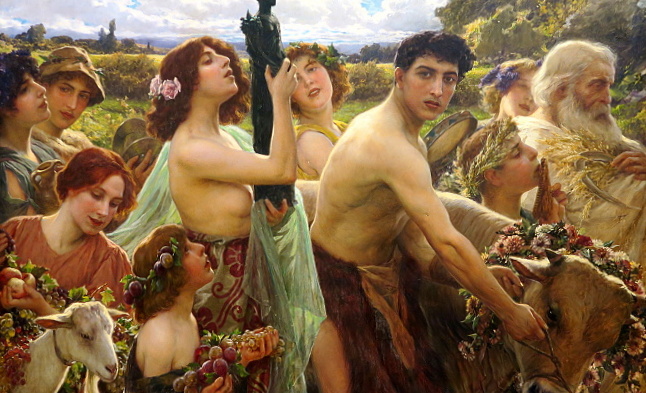


Attributes and iconography
Ceres is often represented as a mature, matronly figure bearing symbols of the harvest: she could hold sheaves of grain, a cornucopia, or tools related to farming. Her attributes emphasize provision, nourishment and the seasonal cycle of growth and harvest. Because of these associations, she was invoked in rites concerned with fertility of both fields and people.
Cult, festivals and social role
Her worship was widespread in Rome and among rural communities. Ceres headed a notable urban cult that reflected plebeian interests; she formed part of the Aventine or Plebeian Triad alongside Liber and Libera. Public observances linked to Ceres included the Cerealia, a festival in spring that celebrated the return of fertility to the fields. Rituals and processions reinforced social and agricultural rhythms.
- Major temple cults in Rome and the countryside
- Popular festivals such as the Cerealia
- Connections to legal and social protections for plebeian rights
Myth, family and stories
In Roman legend Ceres is best known as the mother of Proserpine (the Roman counterpart of Persephone). The abduction of Proserpine by Pluto and Ceres' subsequent mourning explain the seasonal changes in mythic terms: the earth's barrenness during her daughter's absence and renewal upon her return. Ceres is often compared with the Greek goddess Demeter, with overlapping narratives and shared symbolism but distinct Roman cult practices.
Legacy and modern references
Ceres' impact extended beyond antiquity into art, literature and science. She appears in classical art and later European cultural works as a symbol of abundance and motherhood. In modern times the name was given to the first-discovered dwarf planet in the asteroid belt; the astronomical object is known as Ceres. References to Ceres continue in studies of ancient religion, agriculture and gender roles.
For additional context see discussions of Roman ritual and mythological comparison in sources that treat Roman religion and the adaptations of Greek models. Many studies also examine how Ceres' cult intersected with civic life and popular practice in Rome.
Further reading and resources: grain cultivation, cereal crops, and classical treatments of myth and worship in primary and secondary scholarship (religion, myth, language, fertility rites, Greek parallels, underworld myths, astronomical namesakes).
Related articles
Author
AlegsaOnline.com Ceres: Roman goddess of agriculture, fertility, and maternal care Leandro Alegsa
URL: https://en.alegsaonline.com/art/18185