
Pohjola: the northern realm of Finnish and Karelian myth
Pohjola is a legendary northern land in Finnish and Karelian oral poetry, ruled by the witch-Louhi and associated with the magical Sampo, cold, and trials of epic heroes.
Overview
Pohjola is a mythic domain that appears throughout Finnish and Karelian oral poetry. Compiled in the 19th century into the Kalevala by Elias Lönnrot from local runic material, these poems portray Pohjola as a remote northern region beyond familiar settlements. In many accounts it functions as a place of danger and otherness, a source of hostile weather and uncanny forces, and the home of powerful figures who stand in contrast to the heroes of the tales. Scholars treat Pohjola as a symbolic landscape rather than a specific historical polity; popular interpretations sometimes link it with Lapland or the coastal region of Pohjanmaa.
Image gallery
1 Image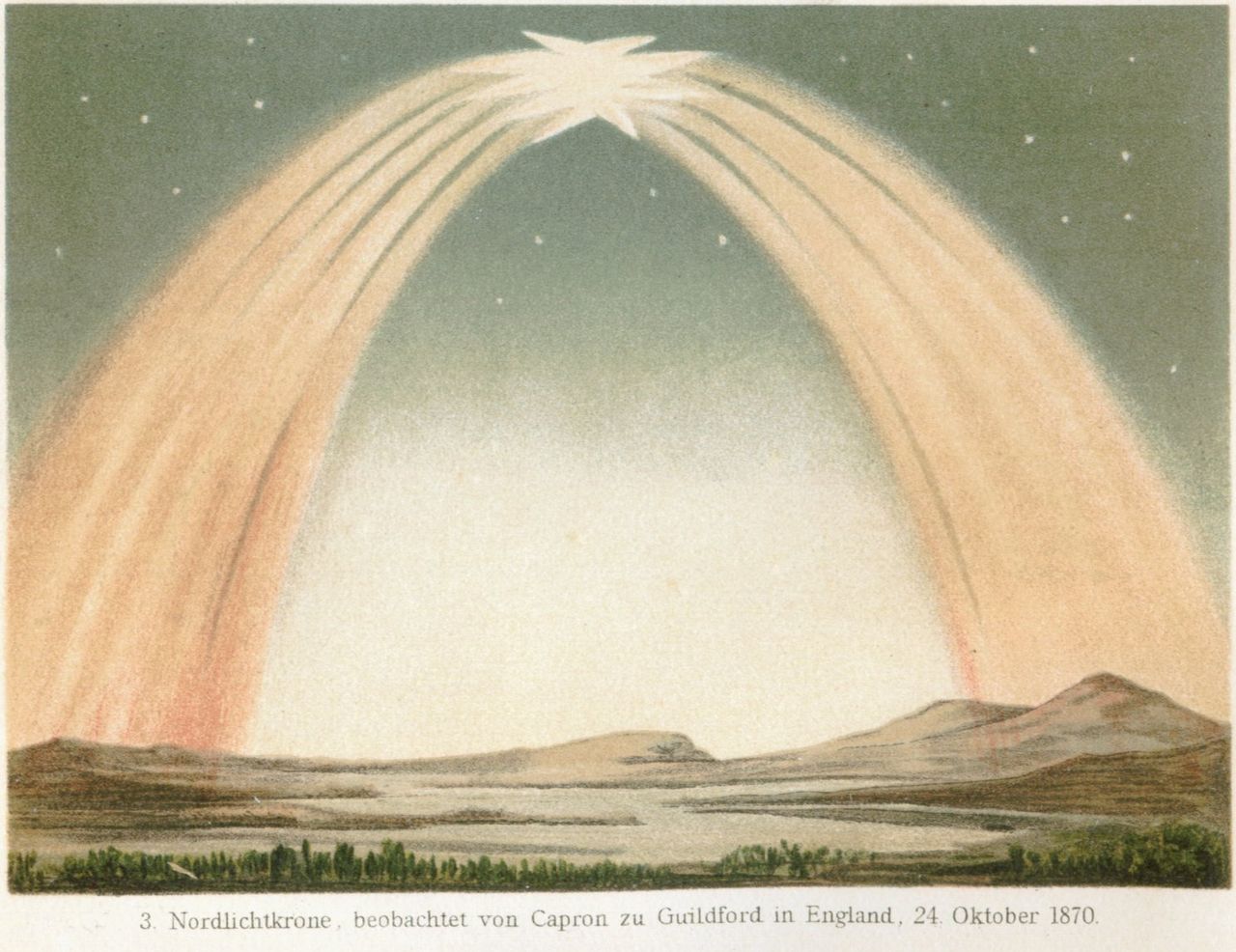
Characteristics and inhabitants
The realm of Pohjola is commonly described as cold, shadowed and fortified. Stories mention high walls and distant gates that mark its boundary. Its ruler is the sorceress Louhi, often depicted as an elderly but formidable woman with uncanny powers. Residents of Pohjola include fierce warriors, skilled magic-users and Louhi's daughters, who in some songs are described as startlingly pale and luminous. These daughters are sometimes portrayed as weavers of light and precious threads in the heavens; the poems use vivid bodily imagery—references to flesh, skin, bones and bone marrow—to stress their otherworldly whiteness.
Major stories: suitors, tasks and the Sampo
Many episodes center on attempts by heroes to win Pohjola's brides. Suitors such as Väinämöinen, Ilmarinen and Lemminkäinen face difficult conditions and tests set by Louhi. One of the best-known motifs is the forging of the Sampo, a mysterious device described in the poetry as producing salt, grain and treasure. Ilmarinen is credited with crafting the Sampo at Louhi's request, but the object becomes the focus of rivalry and theft. The theft, a subsequent clash between Pohjola and the heroes, and the scattering or breaking of the Sampo are narrated as pivotal moments that link divine craft, communal prosperity and the unsettled relations between worlds.
Symbolism and interpretations
Scholars have offered several nonexclusive readings of Pohjola and the Sampo. Pohjola can represent the dangerous periphery or the unknown north; it can stand for natural threats such as cold and illness, and is sometimes said to be the origin of misfortune or disease in the poetic imagination. The Sampo has been interpreted as anything from a mythic mill of abundance to a world pillar or a metaphor for economic resources that circulate between communities. Louhi embodies ambivalent power: she is both a guardian of her domain and a source of trials for the world of the heroes.
Motifs, legacy and cultural role
The Pohjola cycle preserves a set of motifs common across northern Eurasian epic traditions: boundarylands, bride-quests, magical crafts, contests of song and smithwork, and catastrophic battles that alter the cosmos. These tales influenced national Romanticism in Finland and remain a core part of Finnish cultural identity through literature, visual arts and modern retellings. The Kalevala's presentation of Pohjola has inspired adaptations and academic debate about oral composition, regional belief systems and the mixing of Karelian and Finnish sources.
Notable details and further reading
- Pohjola appears in both Finnish oral tradition and Karelian songs, reflecting regional layers of transmission.
- Old narratives refer to these stories as ancient stories that circulated among rune singers and storytellers.
- Louhi's daughters and their brightness are among the poem-cycle's most striking images.
- The conflict over the Sampo dramatizes questions of craft, wealth and communal well-being.
For readers wishing to explore primary-language sources or modern translations, consult annotated editions of the Kalevala and introductions to Karelian runic songs. Many discussions of Pohjola balance literal geographic speculation with symbolic and comparative approaches that situate the realm within a wider heritage of northern mythmaking.
Questions and answers
Q: What is Pohjola?
A: Pohjola is an evil country in Finnish and Karelian ancient stories. It is located in the north and it is a very cold place.
Q: Who rules Pohjola?
A: Louhi, an evil witch woman, rules Pohjola.
Q: Is Pohjola a real place?
A: We think that Pohjola does not really exist, but long ago when people thought about it they thought about Lapland and a region of Pohjanmaa.
Q: What are the daughters of Louhi like?
A: The daughters of Louhi were very beautiful. They were so white and bright that they were actually transparent; you could see flesh through their skin, bones through their flesh, and bone marrow through their bones. Daughters of Pohjola were sitting on the sky weaving gold and silver threads.
Q: What did Ilmarinen have to do to win one of Louhi's daughters as his wife?
A: Ilmarinen had to make Sampo, a machine that would do money, crop and salt in order to win one of Louhi's daughters as his wife.
Q: Did Ilmarinen succeed in winning one of Louhi's daughters as his wife?
A: No, even though he succeeded in making Sampo, Louhi still did not let her daughter marry him.
Q: How did pieces of Sampo end up on the shores of Finland?
A:Ilmarinen and other heroes then stole Sampo from Louhi which led to a big battle where Sampo was destroyed. Some pieces of Sampo drifted on sea and they came to shores of Finland which made wealth for Finnish people
Related articles
Author
AlegsaOnline.com Pohjola: the northern realm of Finnish and Karelian myth Leandro Alegsa
URL: https://en.alegsaonline.com/art/77605