
Proserpina — Roman goddess of spring and queen of the underworld
Proserpina is the Roman goddess associated with springtime, vegetation and the queen of the underworld. Daughter of Ceres, her abduction by Pluto explains seasonal change and influenced cult, art and literature.
Overview
Proserpina (Latin Prōserpina) is a prominent figure in Roman religion. She functions as a goddess of vegetation and seasonal renewal and, after her abduction, as queen of the underworld. As the daughter of the grain goddess Ceres, Proserpina embodies the close link in Roman thought between agricultural fertility and the cycles of death and rebirth.
Image gallery
6 Images



Myth and symbolism
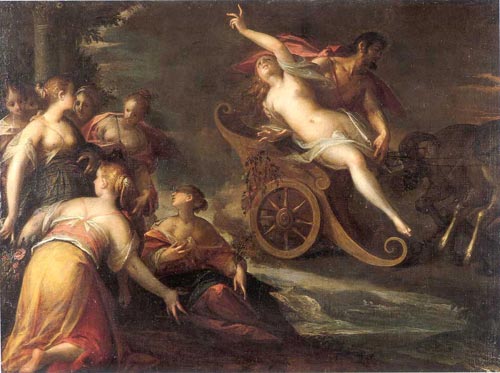
The principal myth recounts how Proserpina was seized by the ruler of the underworld, Pluto, and taken beneath the earth. In many versions the grief of her mother caused the crops to fail until a compromise was reached: Proserpina would spend part of the year above ground and part below. Her time above was associated with growth and harvest; her time below with dormancy. This narrative closely parallels the Greek tradition found in Greek mythology concerning Persephone, and Roman authors and artists regularly adapted Greek accounts.
Etymology and interpretation
The name is often linked to the Latin verb proserpere, "to emerge" or "come forth," an etymology that fits the goddess’s role as a figure of seasonal emergence. Scholars and ancient writers used the story as an aetiological myth to explain the agricultural cycle and to connect rites for the living with cultic commemorations of the dead.
Cult and historical context
Proserpina’s cult became integrated into Roman religious practice in the later Republic; some sources record formal introductions of her worship around the 3rd century BCE. Her rites were closely connected with those of Ceres and with festivals that marked sowing and harvest. Public processions, offerings of grain and seasonal observances emphasized both community welfare and the intersection of life and death in Roman ritual life.
Rituals and festivals
Ritual observances linked to Proserpina typically emphasized agricultural renewal and the household’s relationship to the land. Ceremonies associated with Ceres and related deities sometimes included dramatic retellings of the goddess’s descent and return. These observances reinforced social and religious bonds by marking the seasons and by acknowledging the mysteries of mortality.
Iconography and literary reception
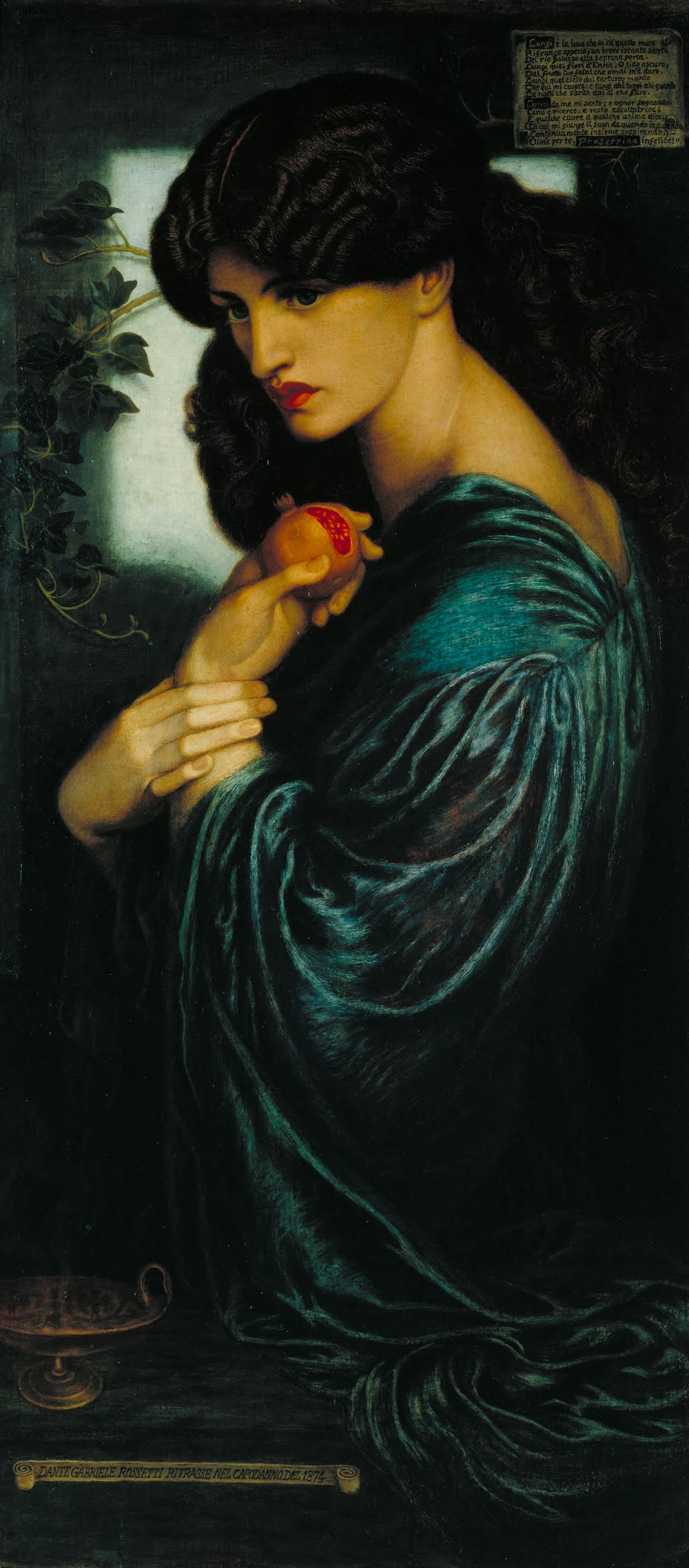
Proserpina is commonly depicted with attributes that signal both her fertility and her underworld role: sheaves of grain or a cornucopia, a pomegranate as the fruit that binds her to the underworld, and torches that reference the search and the journey between light and darkness. Roman poets, most notably Ovid in the Metamorphoses, preserved detailed narrative versions of the abduction and its consequences; such literary accounts influenced later artistic treatments.
Artistic legacy and later influence
The myth of Proserpina remained a powerful subject in Roman art and literature and enjoyed renewed interest in later periods. From the Renaissance onward the story illustrated themes of transformation, fate and reunion; Baroque and later sculptors and painters produced celebrated works on the abduction and reunion, and museums and collections preserve many such interpretations. For broader study of the motif in art and letters see works on classical reception and European collections of mythological art.
Distinctions and comparative perspective
Although Proserpina and the Greek Persephone are often treated as equivalent, Roman religious practice and literary presentation sometimes emphasize different social and ritual nuances. In Rome the goddess’s identity was woven into civic and agricultural concerns, and local cult practice could vary by region. Comparative study of texts and archaeological evidence helps illuminate how a single mythic figure served multiple functions over time.
For introductions to primary texts and further reading consult Latin-name entries and resources on Prōserpina, general treatments of Roman religion, studies of Ceres and grain cults, surveys of Greek myths and the Persephone tradition, accounts of Persephone in comparative myth, discussions of Pluto and underworld theology, and art-historical analyses tracing reception from antiquity through the Renaissance and later periods.
Related articles
Author
AlegsaOnline.com Proserpina — Roman goddess of spring and queen of the underworld Leandro Alegsa
URL: https://en.alegsaonline.com/art/79477