
Pliocene Epoch: climate change, life, and early hominins
The Pliocene (about 5.3–2.6 million years ago) was a geologic epoch marked by global cooling, expansion of grasslands, faunal exchanges, and important developments in hominin evolution and Earth's ice cover.
Overview
The Pliocene is a geologic epoch that lasted from roughly 5.3 to 2.6 million years ago. It is placed near the end of the Neogene and historically was described as the final epoch of the older Tertiary concept. In modern stratigraphy it sits between the Miocene and the Pleistocene. The name, usage and boundaries of the interval are treated in regional and global stratigraphic schemes used by geoscientists and paleontologists.
Image gallery
10 Images
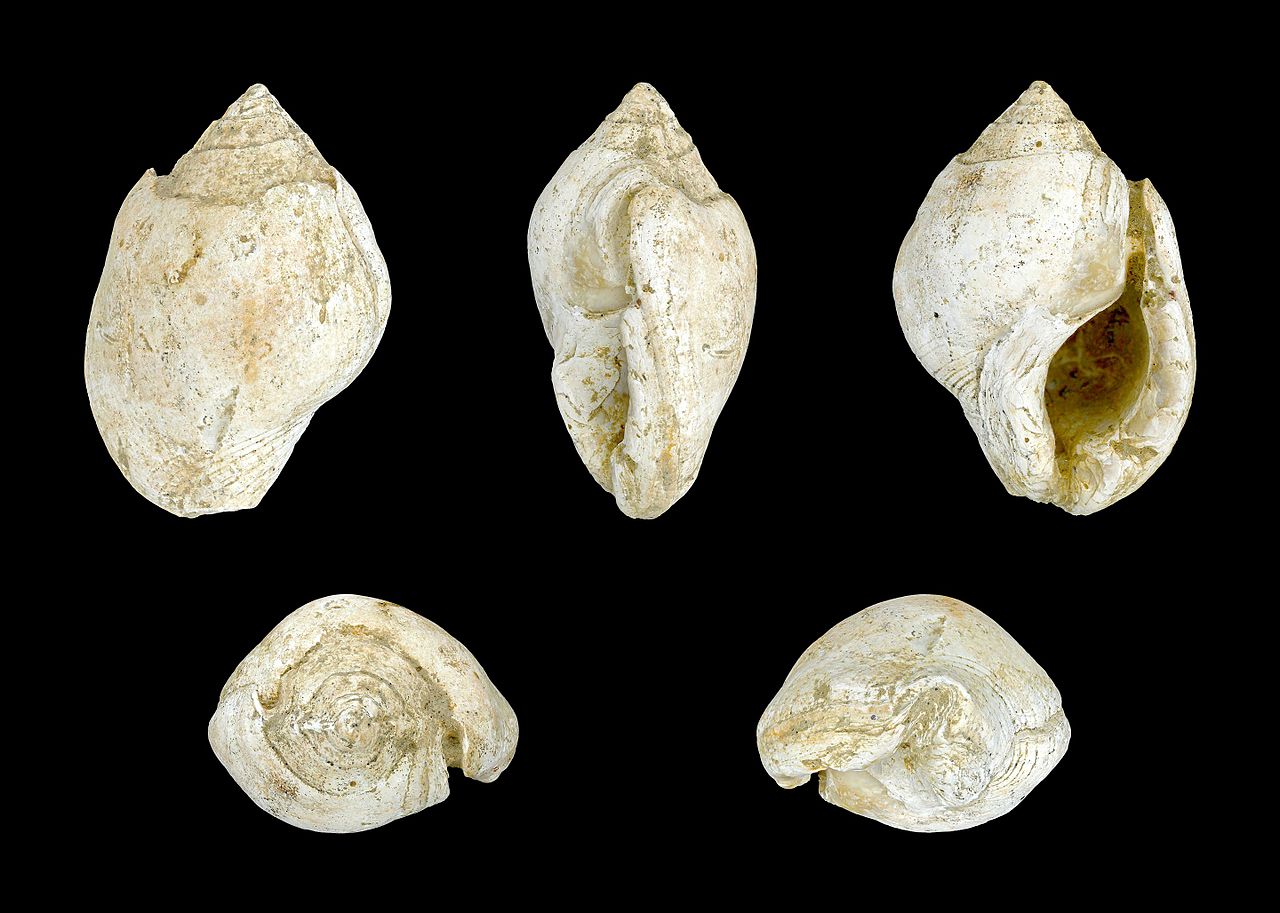


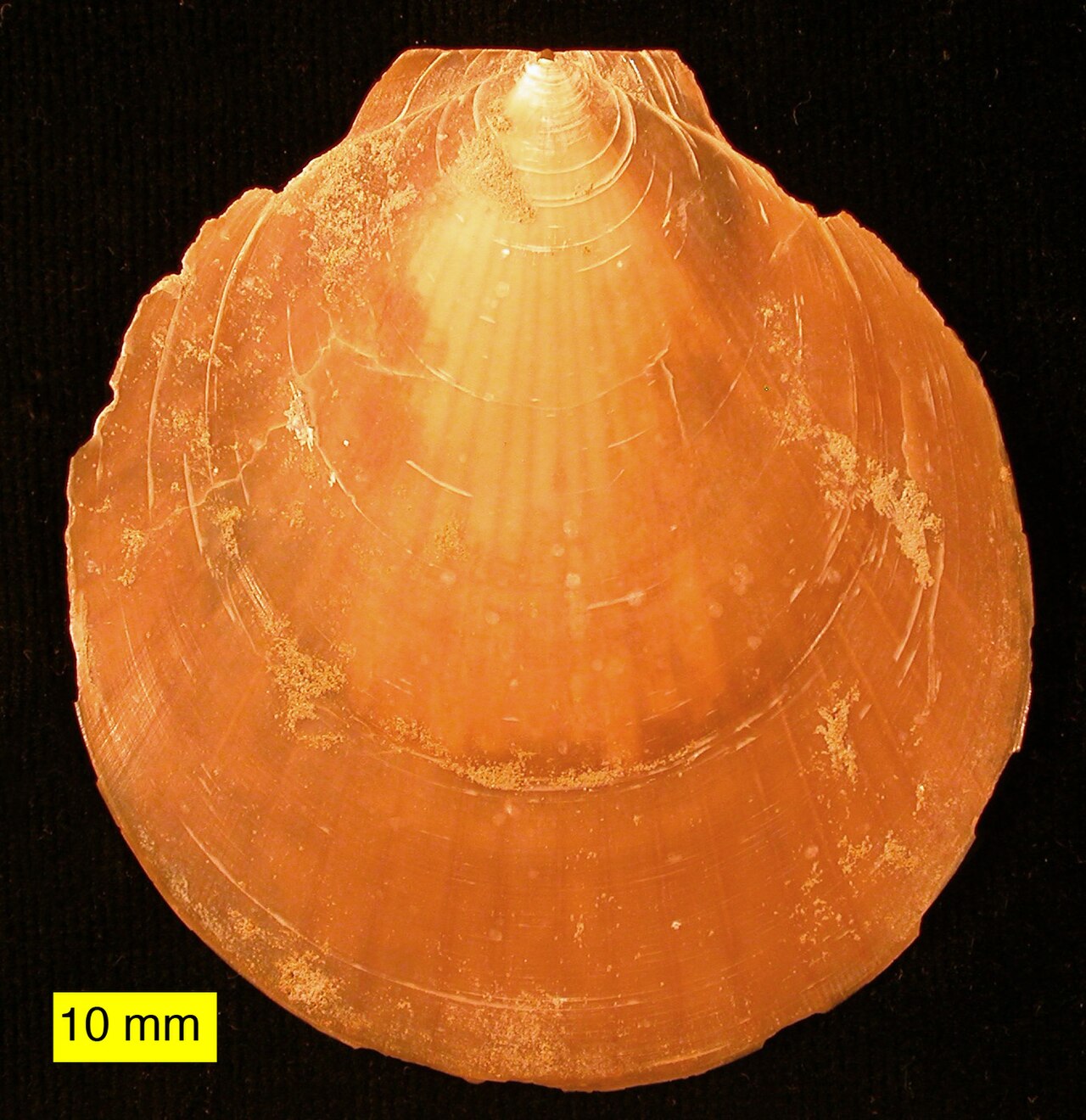

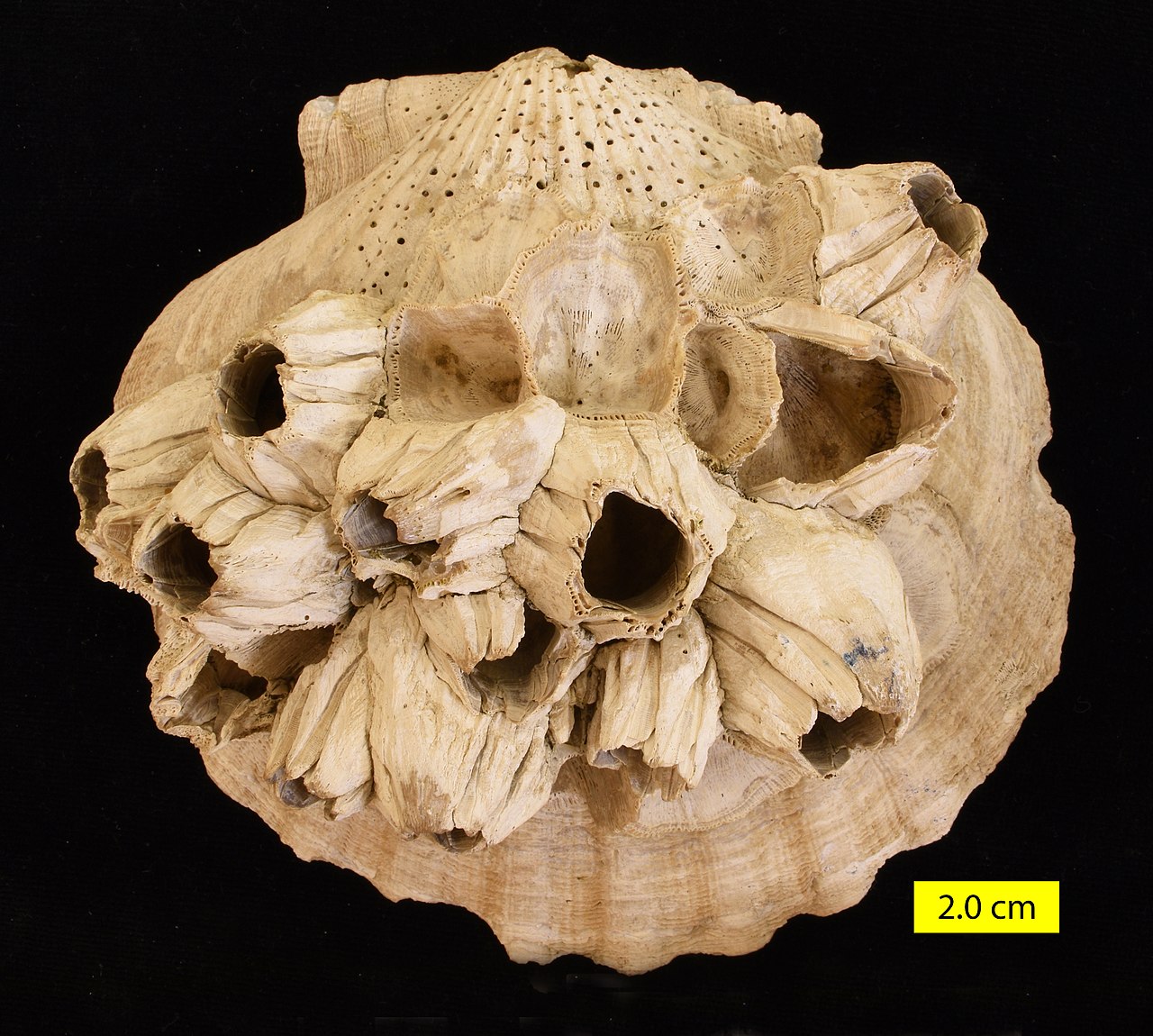


Climate and environments
During the Pliocene the planet trended toward cooler and drier conditions compared with the Miocene. Temperate zones expanded while many tropical forests contracted; in contrast, grasslands and open habitats spread in many areas. Progressive cooling culminated in the growth of permanent ice on northern highlands and a larger Greenland ice cap late in the epoch. Ocean circulation patterns and changing sea levels also played key roles in regional climates.
Flora, fauna and ecological change
Plant and animal communities adapted to the changing climate. Trees and dense rainforests retreated in many places, and herbivorous mammals shifted diets: browsers that fed on leaves were increasingly joined or replaced by grazers adapted to grasses. Paleontologists infer these shifts from tooth wear and structure (methods sometimes described as mesowear studies). Large mammals diversified in some regions even as others declined. Coastal and marine faunas also responded to altered currents and sea levels.
Biogeography and major events
One of the most consequential geographical changes was the final emergence of a land connection between North and South America across the Isthmus of Panama. The formation of the Panamanian land bridge triggered the Great American Interchange, allowing mammal groups to migrate between continents and reshaping terrestrial faunas. Continental uplift, volcanism and changing sea gateways together influenced both terrestrial and marine biodiversity patterns.
- Panama land bridge formation and biotic interchange.
- Expansion of grassland ecosystems and grazing mammals.
- Progressive glaciation on Greenland and polar regions contributing to later Pleistocene ice ages.
Hominin evolution and significance
The Pliocene is important for human origins. Fossil evidence shows several hominin species, commonly grouped as Australopithecines and other early hominins, occupying varied habitats that included more open grassland and mixed woodland. These environmental shifts likely influenced locomotion, diet and social behavior, and set the stage for later developments within the hominin lineage studied by paleoanthropologists and evolutionary biologists.
Boundaries, dating and lasting impact
Geologic boundaries for the Pliocene are tied to global stratigraphic markers and fossil assemblages. The end of the Pliocene leads into the Pleistocene, the epoch characterized by recurrent glacial cycles and major changes in flora and fauna. The Pliocene is therefore treated as a transitional interval: a time when modern climates, modern-like ecosystems and many lineages that dominate today were being established. Researchers studying climate analogs sometimes use Pliocene conditions to explore how ecosystems respond to sustained warmth and the long-term effects of shifting ocean circulation.
Notable distinctions and facts
The Pliocene is distinct from earlier and later intervals in several ways: it marks a clear cooling trend from the Miocene, it witnessed critical biogeographic exchanges including the Great American Interchange, and it contains some of the earliest widely recognized hominin fossils such as those attributed to Australopithecus. Key research topics include the timing of polar ice growth (Greenland and Antarctica), the evolution of grassland-adapted mammals, and the ways tectonics altered ocean gateways and climate. Ongoing studies of Pliocene deposits continue to refine our understanding of Earth's recent geological past.
For further general reading on stratigraphy, climate proxies, faunal change and hominin fossils related to this epoch see resources and publications hosted by geological surveys and paleontological research groups (stratigraphy overview, paleoclimate methods, faunal turnover studies). Additional summaries and datasets used by researchers can be found through specialized databases and academic reviews (geologic time scales, biostratigraphy, hominin records).
Related articles
Author
AlegsaOnline.com Pliocene Epoch: climate change, life, and early hominins Leandro Alegsa
URL: https://en.alegsaonline.com/art/77471
Sources
- ucmp.berkeley.edu : "The Pliocene Epoch"