
Cainozoic (Cenozoic) — the current geological era
The Cainozoic (Cenozoic) era began about 66 million years ago and continues today. It saw continents reach modern positions, mammal dominance, progressive cooling and the ice ages, and the rise of humans.
The Cainozoic, also spelled Cenozoic, is the geological era that follows the Mesozoic and extends from the end of the Cretaceous mass extinction to the present day. Its base is conventionally placed at the event 66 million years ago that removed many dominant Mesozoic groups and opened ecological space for new lineages. The name comes from Greek roots meaning "new life" and reflects the era's widespread appearance and diversification of modern animal and plant groups.
Image gallery
6 Images

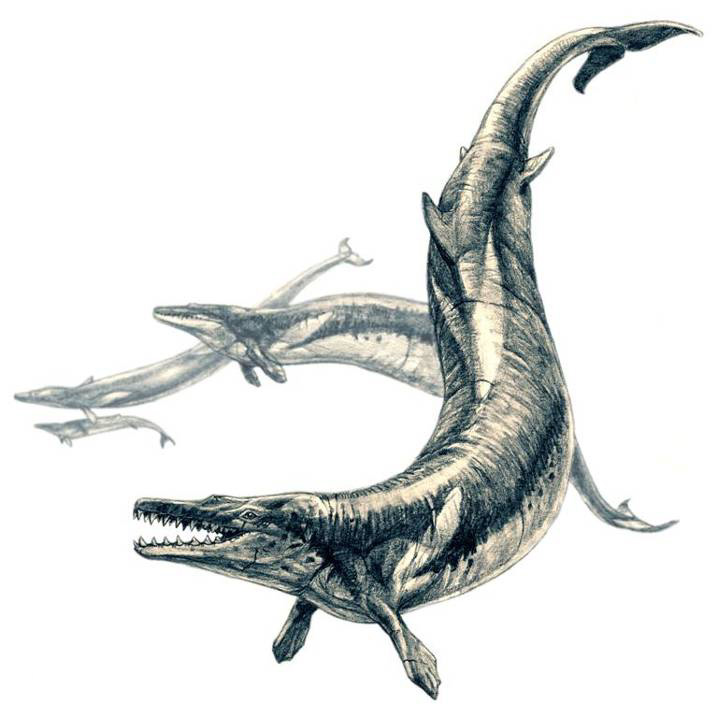


Major characteristics
Throughout the Cainozoic the Earth experienced significant but gradual changes in climate, geography and ecosystems. Plate tectonics continued to shift continents toward their modern positions, altering ocean currents and weather patterns. Global temperatures were relatively warm early in the era, then trended cooler over tens of millions of years; this long-term cooling culminated in repeated northern-hemisphere and southern-hemisphere glaciations during the Quaternary. Life on land was dominated increasingly by mammals and birds, while flowering plants (angiosperms) became widespread in most ecosystems.
Division into periods and epochs
Geologists divide the Cainozoic into three primary periods, each containing familiar epochs that mark finer slices of time:
- Palaeogene — includes the Paleocene, Eocene and Oligocene epochs.
- Neogene — includes the Miocene and Pliocene epochs.
- Quaternary — includes the Pleistocene and Holocene epochs; the latter is our current epoch.
These divisions are used to organize fossil records, climate reconstructions and tectonic histories. Subdivisions into stages and regional units provide still greater resolution for specialists.
History of the term and usage
Older literature often used the term "Tertiary" to cover what is now the Palaeogene and Neogene, with the Quaternary treated separately. Modern stratigraphic practice has deprecated the formal use of "Tertiary" in favor of the currently defined periods, although the older name persists informally in some contexts. The Cenozoic concept and its boundaries are anchored by stratigraphic markers and worldwide correlation of fossil assemblages.
Importance and notable facts
The Cainozoic is central to understanding the evolution of modern ecosystems and human origins. Paleontologists study its fossil record to trace the rise of mammals, the spread of grassland ecosystems, and major climatic transitions. Geoscientists examine Cainozoic sediments to reconstruct past sea levels, monsoon systems and ice-sheet growth. Because it includes the interval in which humans evolved and modified environments, the Cainozoic is also relevant to archaeology and environmental science.
Further reading and resources
- Overview of the Cainozoic era
- Geologic time scale and eras
- Timeline: 66 million years ago
- The preceding Mesozoic era
- Ice ages and glaciations
- Etymology of "Cainozoic" / "Cenozoic"
- Periods of the Cainozoic
- Stages and subdivisions
- Palaeogene period
- Paleocene epoch
- Eocene epoch
- Oligocene epoch
- Neogene period
- Miocene epoch
- Pliocene epoch
- Quaternary period
- Pleistocene epoch
- Holocene epoch
- History of the term "Tertiary"
This article provides a concise introduction to the Cainozoic era, suitable for general reference, and points to specialized resources for detailed stratigraphic, paleontological and climatic studies.
Questions and answers
Q: What is the current geological era?
A: The current geological era is the Cainozoic (also spelled Cenozoic).
Q: When did the Cainozoic era begin?
A: The Cainozoic era began 66 million years ago.
Q: What era came before the Cainozoic?
A: The era that came before the Cainozoic was the Mesozoic.
Q: What happened during the Cainozoic era in terms of continent movement and climate change?
A: During the Cainozoic era, the continents moved into their present positions and the climate started warm but steadily cooled, leading to ice ages.
Q: What is the meaning of the word "Cainozoic"?
A: The word "Cainozoic" means "new life" in Greek.
Q: How many periods are there in the Cainozoic era?
A: There are three periods in the Cainozoic era.
Q: What was the Tertiary period, and why is it not used anymore?
A: The Tertiary period corresponded to the Palaeogene+Neogene, and it is no longer used officially and is considered "deprecated".
Related articles
Author
AlegsaOnline.com Cainozoic (Cenozoic) — the current geological era Leandro Alegsa
URL: https://en.alegsaonline.com/art/15989