
Polar night: prolonged winter darkness in Earth's polar regions
Extended periods of darkness that occur within the Arctic and Antarctic circles due to Earth's axial tilt; duration and intensity vary with latitude and affect ecosystems, human health, and culture.
Overview
Polar night is the name given to the extended period of darkness that occurs inside the polar regions of the globe. It happens when the angle of the Sun remains below the local horizon for more than 24 hours. This phenomenon is confined to areas inside the polar circles and is a seasonal consequence of the tilt of Earth's axis relative to its orbit around the Sun.
Image gallery
8 Images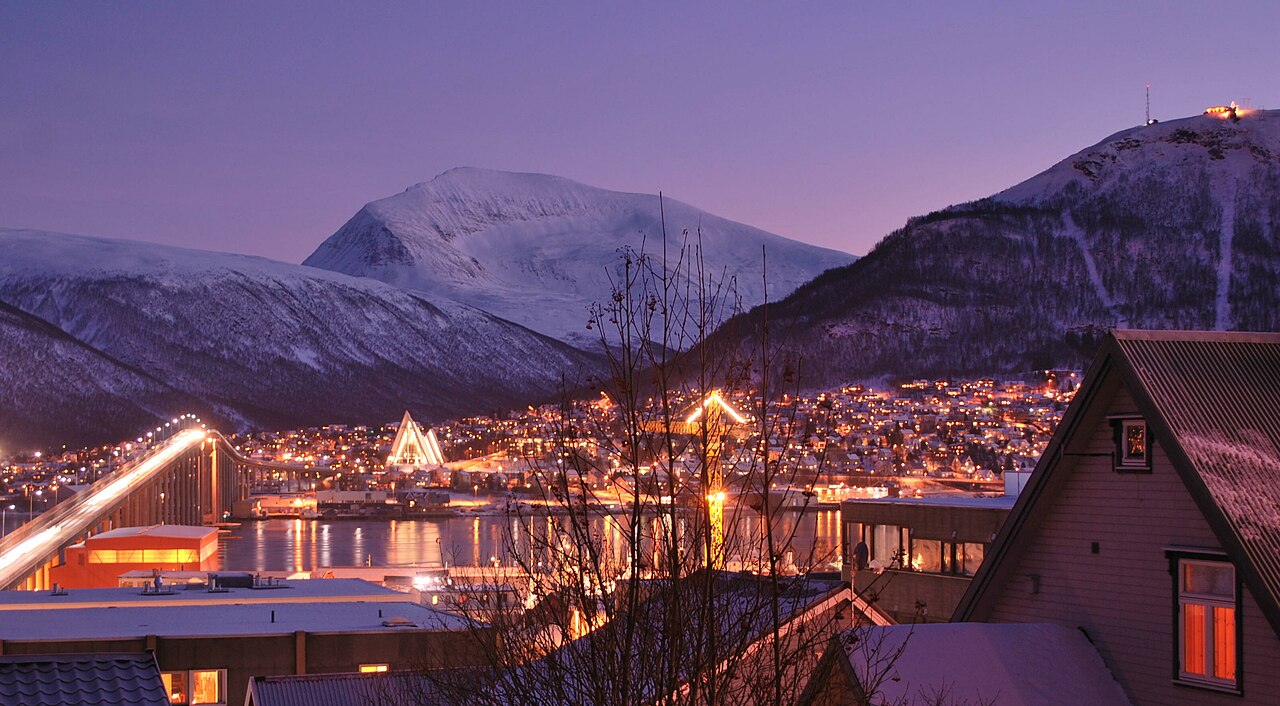



Causes and variation by latitude
The primary cause is Earth's axial tilt (about 23.5°), which makes one pole lean away from the Sun during its winter. At the Arctic and Antarctic circles the effect first appears as a single 24‑hour night each year; farther toward the poles the period lengthens, reaching up to about half a year of continuous night at the geographic poles. In many places near the boundaries, prolonged twilight rather than total darkness is common because the Sun remains just below the horizon.
Characteristics and types of darkness
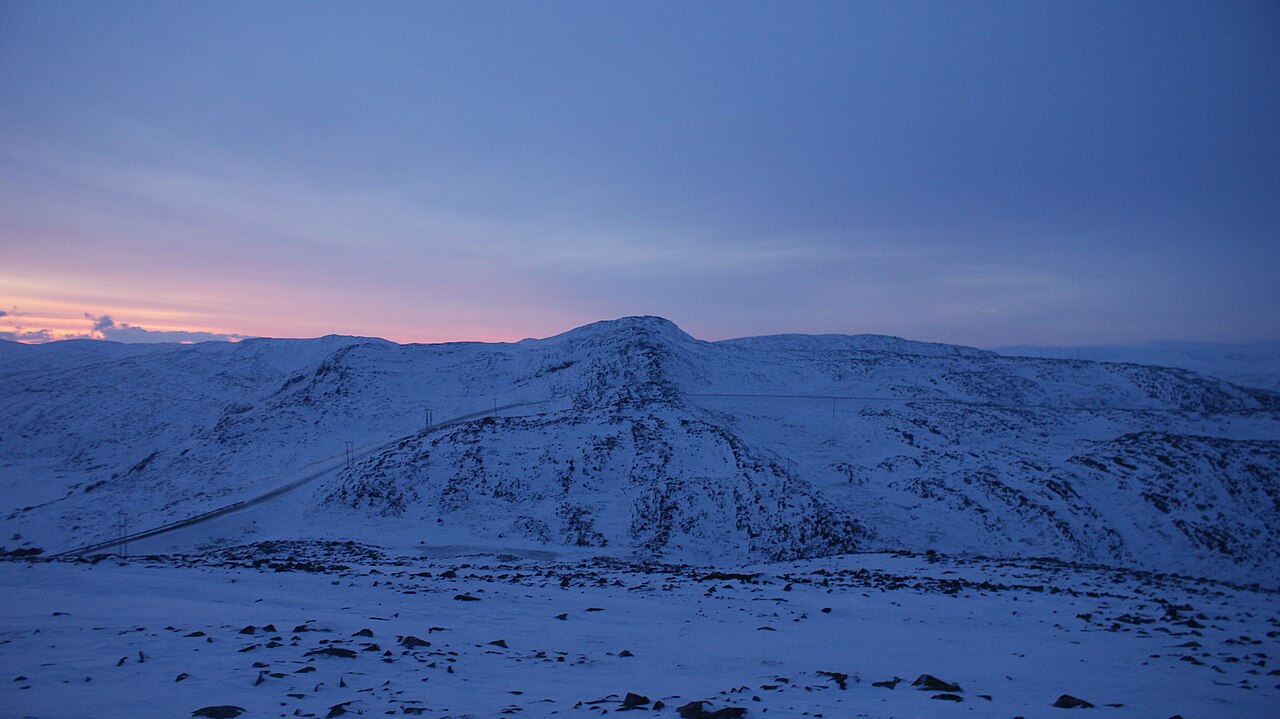
Conditions during polar night vary. In some locations the sky becomes fully dark for long stretches; in others, the Sun’s position produces extended civil, nautical or astronomical twilight, so landscapes are dimly lit rather than pitch black. The long nights often make atmospheric and celestial phenomena—such as the aurora—more visible and spectacular.
Ecological and human impacts
- Ecology: Reduced daylight limits photosynthesis and influences seasonal behaviors. Many species migrate, hibernate, or alter activity cycles to survive.
- Human health: Residents may experience disrupted circadian rhythms, higher rates of seasonal affective disorder (SAD), and lower vitamin D from less sunlight. Communities use lighting, diet, and timetable adjustments to compensate.
- Culture and economy: Societies have adapted with festivals, architecture designed for low light, and technologies for heating and illumination; tourism and scientific research often center on the unique conditions of polar night.
Distinctions and notable examples
Polar night is the counterpart of the midnight sun, when the Sun does not set for extended periods during local summer. Regions such as northern Norway, parts of northern Canada, Greenland and Antarctic research stations experience seasons of prolonged darkness to varying degrees. The phenomenon is a predictable, regular part of polar climate and has been observed and described for centuries as people explored high latitudes on Earth.
Note: The exact duration and intensity of polar night at any location depend on its latitude, local topography, and atmospheric conditions, so nearby communities can experience noticeably different light regimes even within the polar circles.
Related articles
Author
AlegsaOnline.com Polar night: prolonged winter darkness in Earth's polar regions Leandro Alegsa
URL: https://en.alegsaonline.com/art/77701
Sources
- nwtresearch.com : The Polar Night