
Popocatépetl: Mexico’s active stratovolcano
Popocatépetl is an active stratovolcano in central Mexico, rising to 5,426 m (17,802 ft). It is a major geological feature, cultural symbol and closely monitored volcanic hazard near populated regions.
Overview
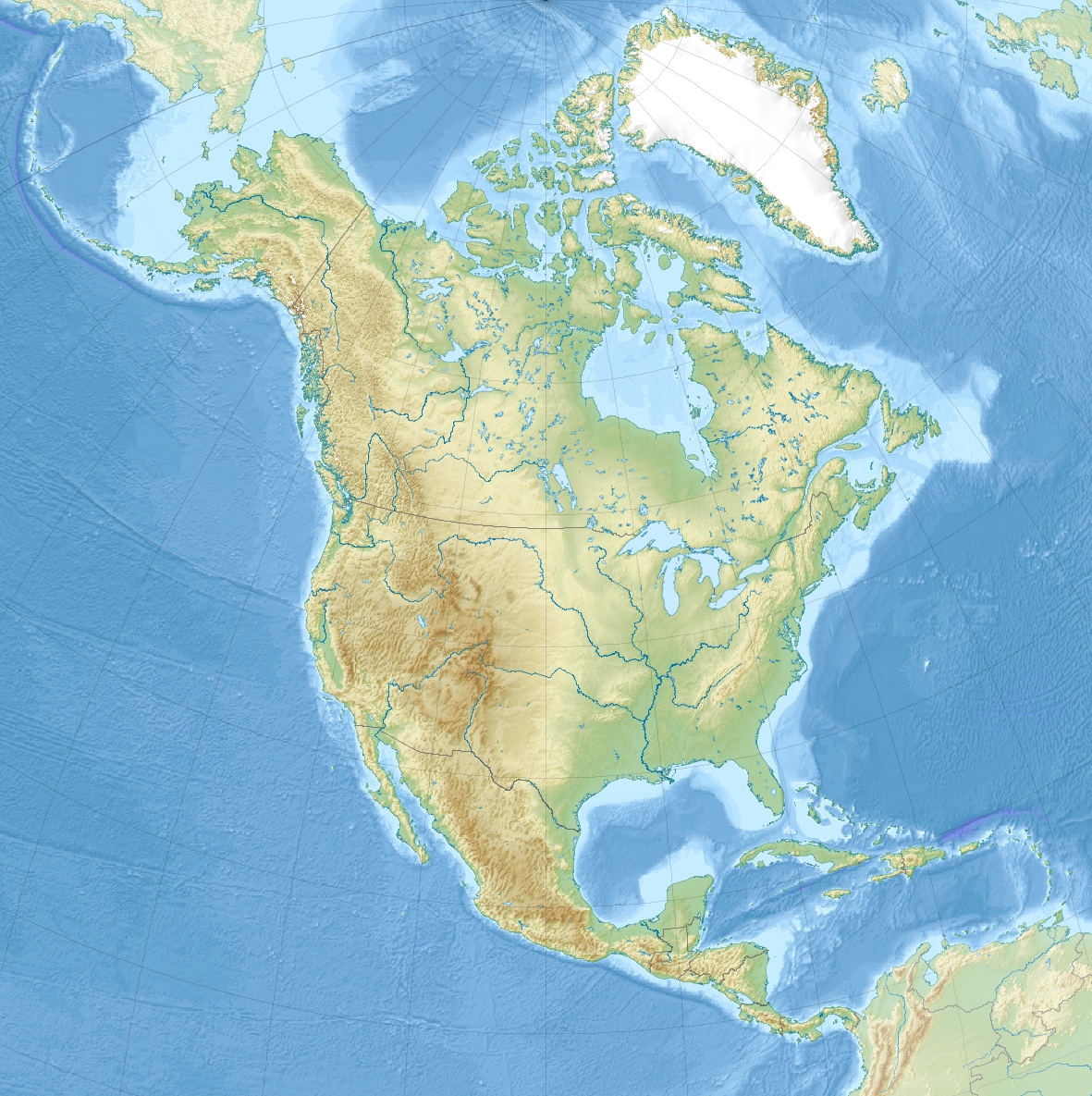
Popocatépetl (often called El Popo or Don Goyo) is an active stratovolcano in central Mexico. With an elevation of 5,426 m (about 17,802 ft), it is the second-highest peak in the country after Pico de Orizaba. The volcano sits on the Trans-Mexican Volcanic Belt, near the borders of the states of Puebla, Morelos and Mexico State. For a map and general orientation see location resources.
Image gallery
10 Images



Physical characteristics
Popocatépetl is a classic stratovolcano composed mainly of andesitic to dacitic lavas and pyroclastic deposits. Its summit contains a prominent crater that frequently emits steam, gases and ash during eruptive periods. Glacial ice that once capped the peak has diminished in recent decades due to volcanic heating and regional warming. For official elevation figures consult topographic data and for unit conversion see feet information.
Activity and history
The volcano has a long history of eruptions recorded in pre-Hispanic oral tradition and colonial chronicles. In modern times Popocatépetl reawakened in the late 20th century and has experienced intermittent eruptive episodes since then, producing ash plumes, incandescent blocks and occasional explosive activity. Scientists describe its behavior as cyclic, with periods of quiescence interrupted by renewed unrest and eruptions.
Hazards and monitoring
Potential hazards include ashfall, ballistic projectiles, pyroclastic flows and lahars on the volcano’s flanks, posing risks to nearby towns and infrastructure. Because of its proximity to densely populated areas, continuous surveillance is maintained by Mexican monitoring agencies; public alerts and exclusion zones are used to reduce risk to residents and visitors.
Cultural importance and access
Popocatépetl figures prominently in regional folklore, most famously in the legend of Popocatépetl and Iztaccíhuatl, its snow-capped companion. The mountain is a symbol in local art and identity, but climbing the volcano is often restricted during periods of activity for safety reasons. Travelers are advised to follow official guidance and monitored updates from authorities linked above.
Notable distinctions
- Second-highest mountain in Mexico after Pico de Orizaba.
- Elevation commonly cited as 5,426 m (about 17,802 ft).
- Subject of ongoing scientific study and public safety planning; see regional monitoring at official portals.
Related articles
Author
AlegsaOnline.com Popocatépetl: Mexico’s active stratovolcano Leandro Alegsa
URL: https://en.alegsaonline.com/art/78112
Sources
- geography.about.com : "Pacific Ring of Fire,"