
Planetary science: study of planets, their systems, and processes
Planetary science (planetology) examines planets, moons, rings and minor bodies: their formation, composition, dynamics, evolution and exploration using telescopes, probes and comparative methods.
Overview
Planetary science, also called planetology, is the integrated study of planets and related bodies — including moons, rings, asteroids and comets — and the processes that shape them. It focuses on bodies that orbit other objects and stars in stellar systems, treating them as physical worlds with internal structures, atmospheres and histories. The field combines techniques from astronomy, geoscience and physics to explain how these bodies form, change and interact.
Researchers use a mix of remote and in‑situ methods. Ground and space telescopes collect light to infer atmospheres and orbits, while spacecraft and landers carry instruments to measure surface chemistry and structure directly. Basic orbital parameters such as orbital period and distance remain fundamental observables, and laboratory work helps interpret mineralogy and rock records.
Image gallery
8 Images





Characteristics and classification
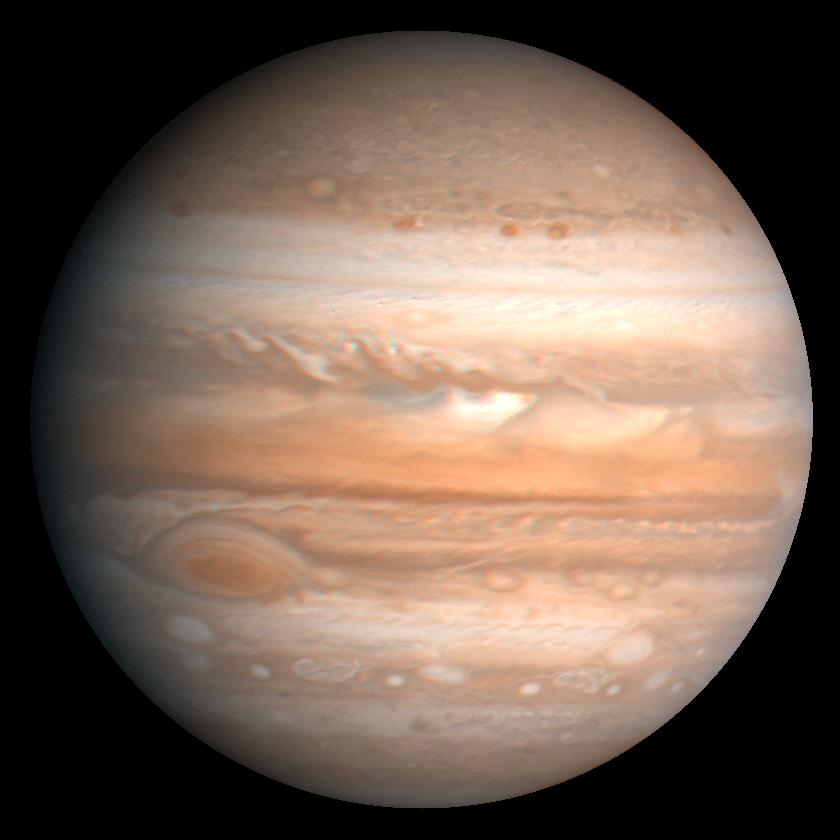
Planets and planetlike bodies are grouped by composition and size. Terrestrial planets are rocky, often differentiated with cores and mantles; gas and ice giants possess deep volatile envelopes and thick atmospheres. Dwarf planets and large asteroids occupy a middle category and may retain primitive material. In our own system, the Earth is the best-known planet, and there are several other major planets in the Solar System alongside recognized dwarf planets in their own class. Notable small worlds include Pluto and Ceres (the largest asteroid-class body), while many smaller bodies like typical asteroids populate belts and reservoirs.
History and methods
Planetary science grew from observational astronomy and terrestrial geology, merging ideas from both disciplines astronomy and geology. The space age accelerated knowledge: robotic missions visited and in many cases landed on planets and moons, transforming theoretical models into measured facts. The search for worlds beyond our system produced the class of exoplanets, with some early and controversial detections around nearby stars such as Barnard's Star in early studies. Modern detection methods (transits, radial velocity and direct imaging) now reveal thousands of candidates.
Applications and notable practices
Planetary science serves practical and scientific aims. Comparative planetology uses differences between worlds to test models of formation and climate. Mapping surface features, measuring ages and compositions, and studying atmospheres inform questions about habitability and resources. Practical outcomes include mission planning, hazard assessment and guidance for future exploration and potential resource use.
Key topics and distinctions
- Formation: planets arise in protoplanetary disks through accretion, migration and collisions.
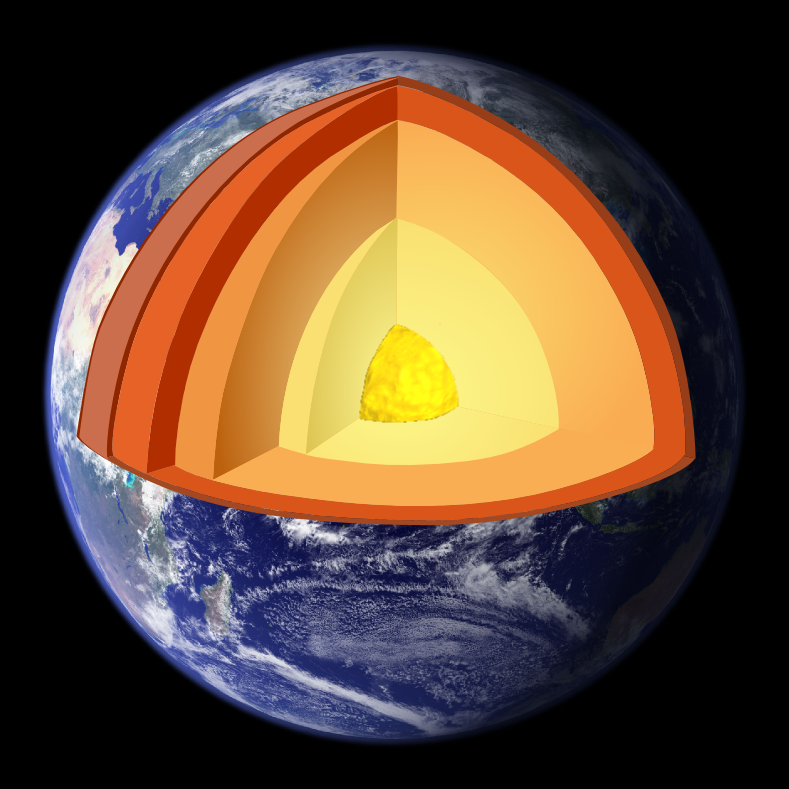
- Internal structure: differentiation creates cores, mantles and crusts in many rocky worlds.
- Atmospheres and climate: volatile retention and loss shape surface conditions and potential for life.
- Missions and exploration: a steady sequence of probes and landers continues to expand direct knowledge of planets and minor bodies.
Planetary science remains a broad, evolving discipline: it documents the diversity of planetary systems, refines models of planetary origins and supports exploration that turns distant points of light into mapped, measured worlds.
orbiting stars Earth planets dwarf planets Pluto Ceres asteroid space probes telescopes Barnard's Star astronomy geology orbital period minerals mapping
Related articles
Author
AlegsaOnline.com Planetary science: study of planets, their systems, and processes Leandro Alegsa
URL: https://en.alegsaonline.com/art/77262