
Planets beyond Neptune
Overview of objects orbiting the Sun beyond Neptune: history of searches for additional planets, the Kuiper belt and trans‑Neptunian objects, the Planet Nine hypothesis, and scientific significance.
Overview
Planets beyond Neptune are bodies that orbit the Sun at greater distances than Neptune. After the planet's confirmation in 1846, astronomers asked whether more distant, massive objects might exist and subtly influence the motion of closer planets around the Sun. The term can mean hypothetical additional planets or, more broadly, the populations of small worlds that populate the outer Solar System.
Image gallery
10 Images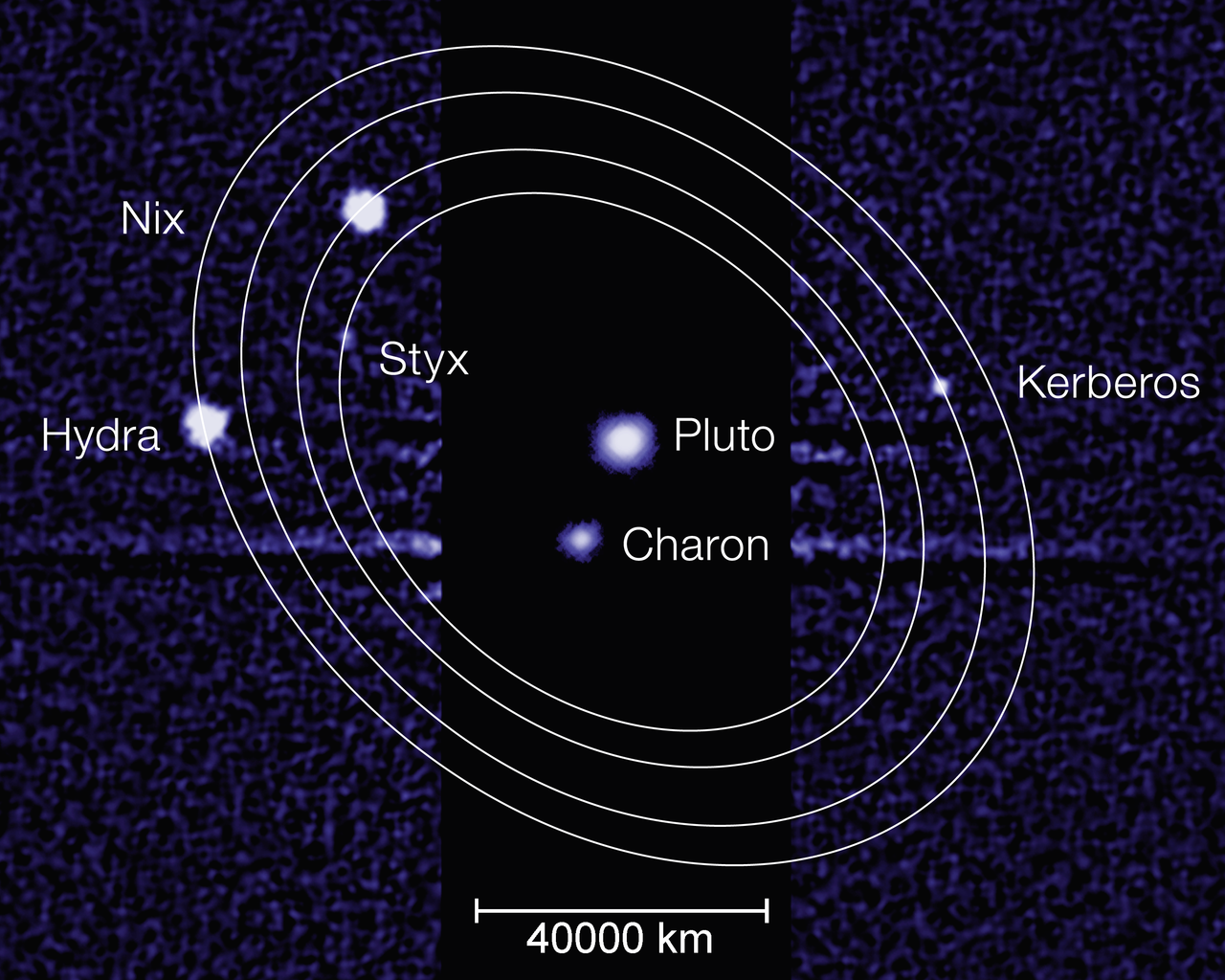





Historical searches and the idea of "Planet X"
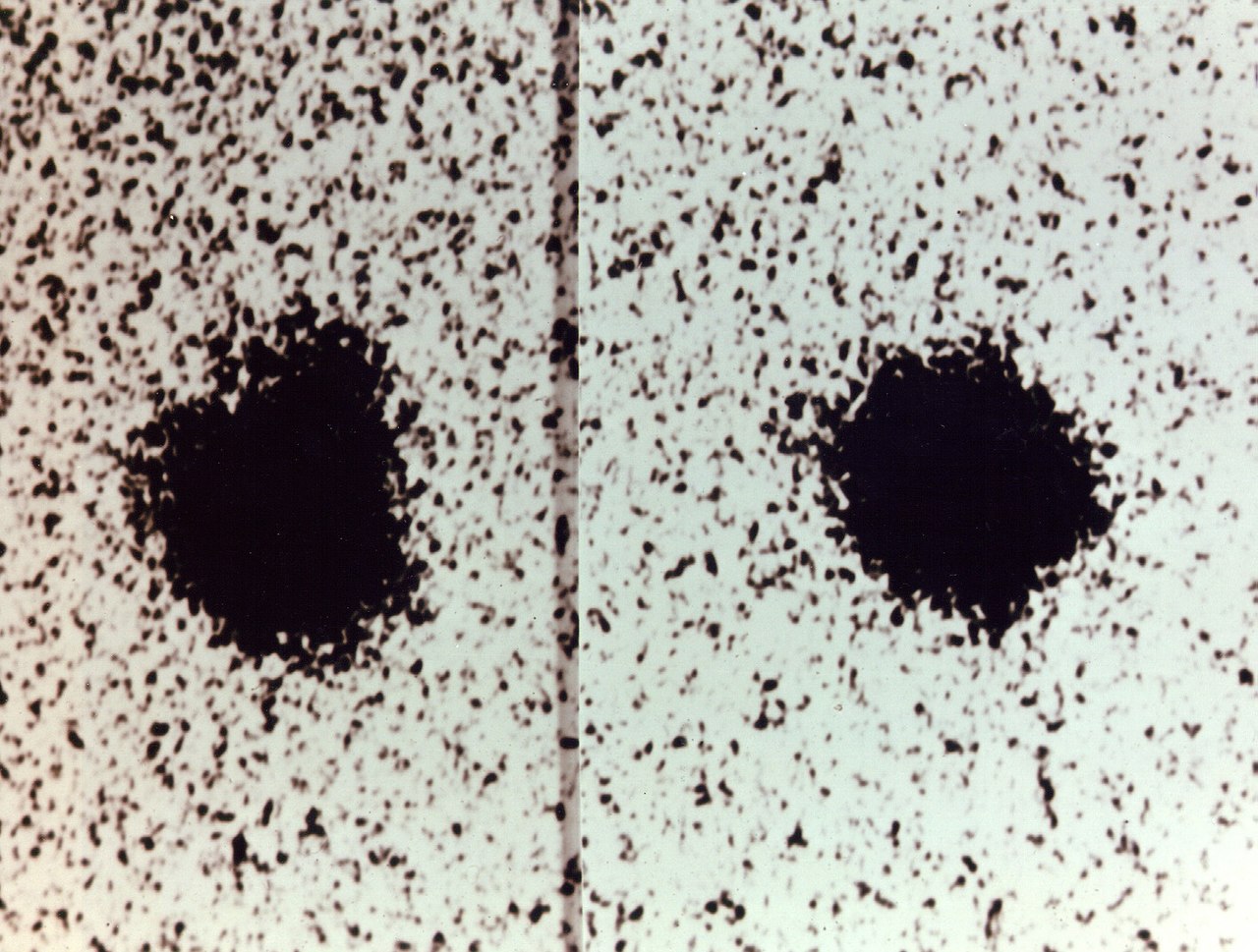
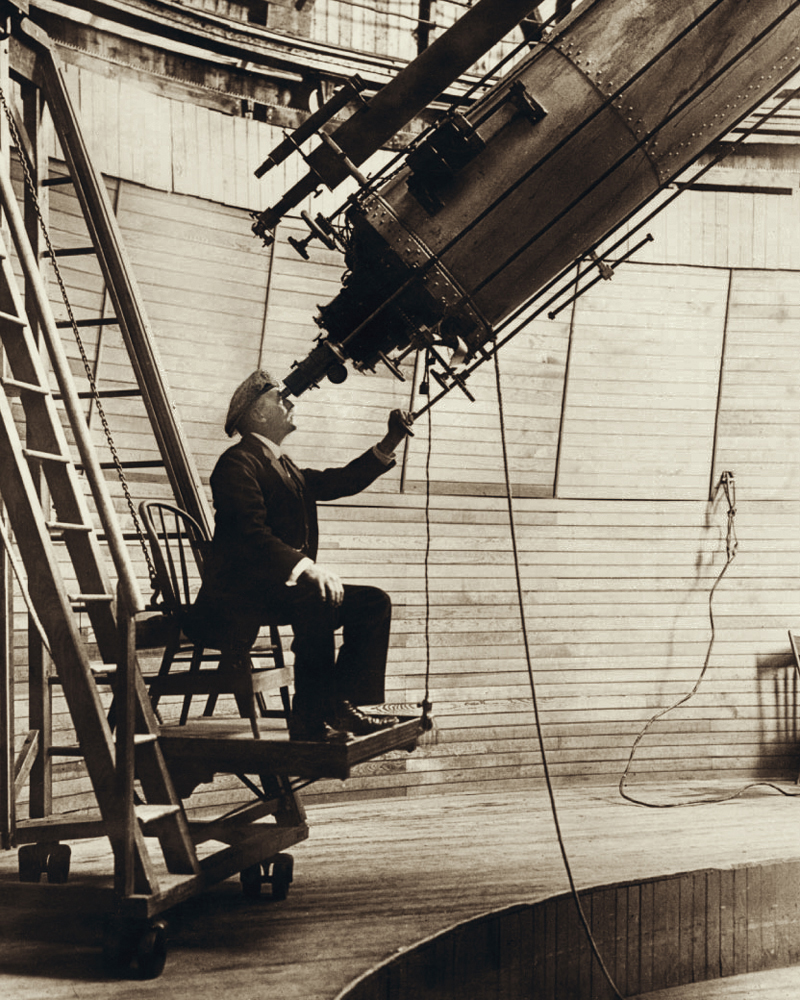
In the early 20th century Percival Lowell argued that an unseen body, sometimes called "Planet X," could explain perceived orbital irregularities among the outer gas giants, particularly Uranus. Lowell suggested that the gravity of a large, distant planet could perturb their orbits. This search ultimately led to the discovery of Pluto in 1930, although Pluto proved too small to account for the anomalies that motivated the hunt.
Regions and classes of objects
The area beyond Neptune includes several distinct reservoirs: the Kuiper belt (a disk of icy bodies beyond Neptune), the scattered disc (objects on more eccentric and inclined orbits), and the far, spherical Oort cloud (a theoretical source of long‑period comets). Together these host trans‑Neptunian objects (TNOs), dwarf planets and numerous smaller icy planetesimals. Well‑known members of these populations include Pluto, Eris, Haumea and Makemake, as well as distant detached objects such as Sedna.
Modern discoveries and the Planet Nine hypothesis
Beginning in the 1990s systematic surveys revealed thousands of TNOs, transforming the outer Solar System into an observed and diverse region. In 2016 researchers proposed a distant "Planet Nine" to explain a clustering of certain extreme TNO orbits; the hypothesis suggests a planet several times the mass of Earth on a distant, elongated orbit. As of now this object remains hypothetical and is the subject of ongoing observational searches and theoretical work.
How astronomers search and why it matters
- Search methods: wide‑field optical and infrared surveys, deep targeted imaging, and stellar occultation measurements to detect faint, distant bodies.
- Scientific importance: TNOs preserve clues to early Solar System formation, constrain models of planetary migration, and supply many comets that visit the inner system.
- Classification impact: the discovery of many large TNOs prompted the creation of the dwarf planet category, changing how astronomers define a planet and recognize smaller but geologically distinct worlds.
Observational limits mean the outermost regions remain only partially explored. Whether more planets lie beyond Neptune or the dynamics of the distant small bodies can be explained without one or more massive perturbers is an open question. Continued surveys and new telescopes aim to map these remote reaches and clarify the architecture and history of our planetary system.
Questions and answers
Q: When was Neptune discovered?
A: Neptune was discovered in 1846.
Q: Why did people think there might be more planets beyond Neptune?
A: After the discovery of Neptune, people thought there might be more planets further away from the sun than Neptune.
Q: Who stated that there must be another planet-like body beyond Neptune?
A: Percival Lowell stated that there must be another planet-like body farther out than Neptune.
Q: What did Lowell say a planet-like object beyond Neptune could explain?
A: Lowell said that such a planet-like object could explain some irregularities in the orbits of the gas giants, in particular Uranus and Neptune.
Q: What did Lowell call the hypothetical ninth planet beyond Neptune?
A: Lowell called the hypothetical ninth planet beyond Neptune "Planet X".
Q: What effect could the gravity of a large unseen ninth planet have on Uranus?
A: The gravity of a large unseen ninth planet could have perturbed Uranus enough to explain the irregularities in its orbit.
Q: When did Percival Lowell make his hypothesis about a ninth planet?
A: Percival Lowell made his hypothesis about a ninth planet in the early 20th century.
Related articles
Author
AlegsaOnline.com Planets beyond Neptune Leandro Alegsa
URL: https://en.alegsaonline.com/art/77265
Sources
- ui.adsabs.harvard.edu : 1931LicOB..15..171B
- iau.org : "IAU 2006 General Assembly: Resolutions 5 and 6"
- doi.org : 10.1038/35078164
- pubmed.ncbi.nlm.nih.gov : 11373654
- news.google.com : "Scientists claim killer star exists"
- astrobio.net : "Getting WISE About Nemesis"
- pnas.org : "Periodicity of Extinctions in the Geologic Past"
- ui.adsabs.harvard.edu : 1984PNAS...81..801R
- doi.org : 10.1073/pnas.81.3.801
- ncbi.nlm.nih.gov : 344925
- pubmed.ncbi.nlm.nih.gov : 6583680
- sciencedirect.com : "Persistent evidence of a Jovian mass solar companion in the Oort cloud"
- jpl.nasa.gov : "Can WISE Find the Hypothetical 'Tyche'?"