
Planetshine — illumination of a moon by light reflected from its planet
Planetshine is the faint illumination of a moon’s dark side caused by sunlight reflected from its parent planet; Earthshine on the Moon is the most familiar example.
Overview
Planetshine refers to the faint glow that appears on the night side of a moon when sunlight first strikes and is reflected by the parent planet, then reaches the moon and is scattered back toward an observer. The effect is most noticeable for large, bright planets and for moons with substantial contrast between their lit and unlit hemispheres.
Image gallery
9 Images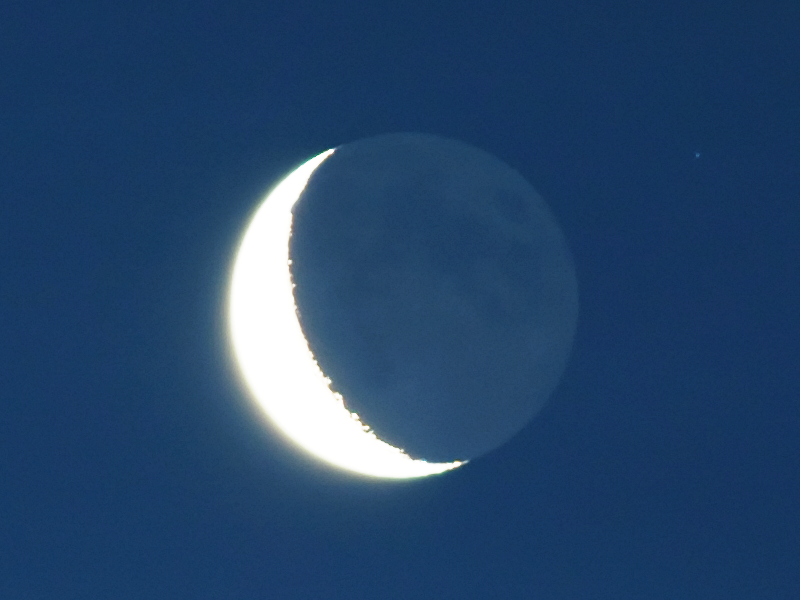




How it works
The process begins with direct sunlight illuminating the planet. Some of that light is reflected from the planet’s atmosphere or surface toward its moon. When those reflected rays strike the moon’s night side they are scattered, producing a dim, diffuse illumination visible from a suitable vantage point. Geometrical factors — phase angles, relative positions of Sun, planet and moon, and the planet’s albedo — control the brightness and color of the effect.
Examples and observations
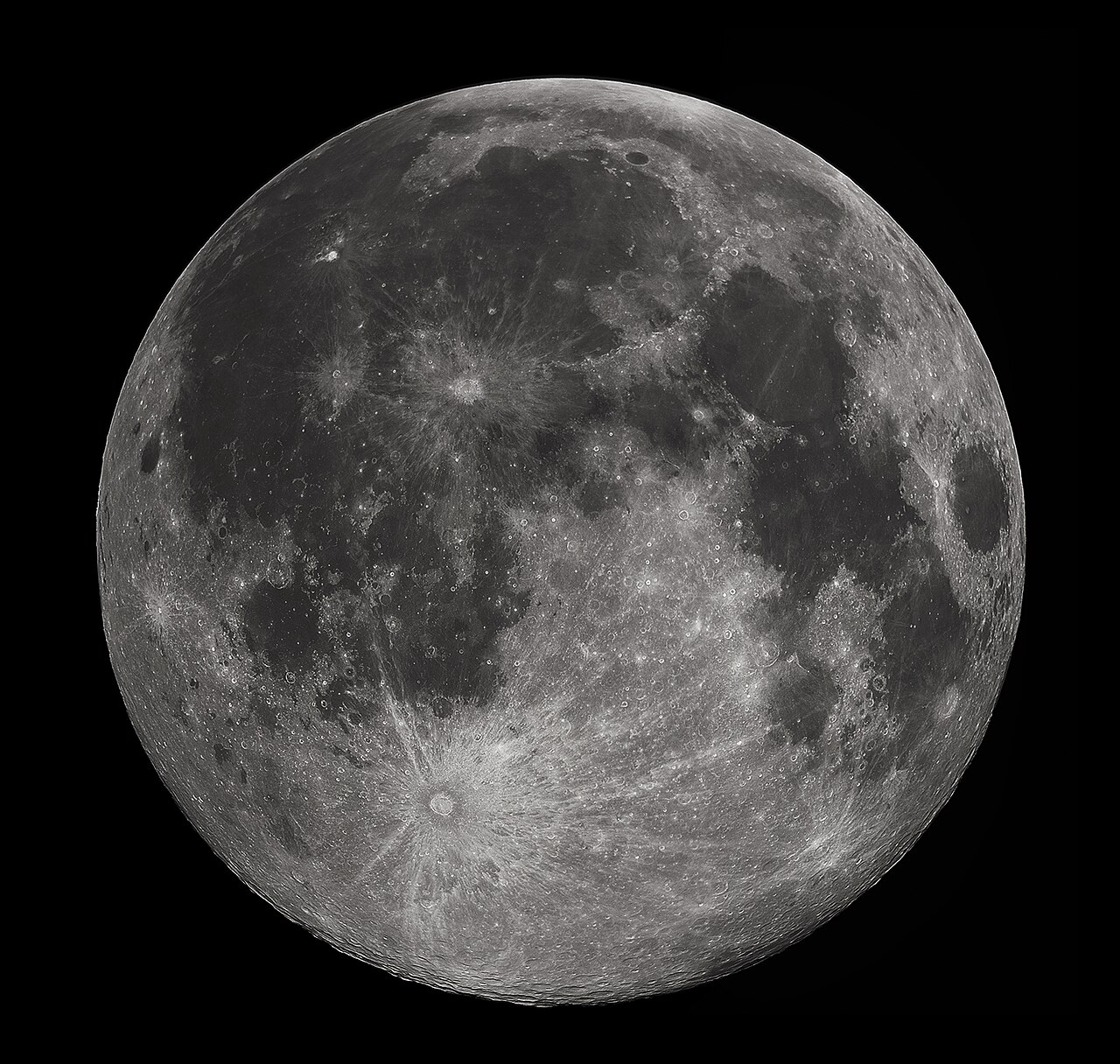
The best-known instance is Earthshine: sunlight reflected from Earth lights the dark crescent of the Moon and makes details faintly visible a few days before and after new moon. Observers often note a bluish-gray tint caused by scattering in Earth’s atmosphere. Similar phenomena can occur elsewhere in the Solar System: a bright planet like Jupiter can illuminate its satellites, and faint glows have been discussed for other planet–moon pairs. Historically, Leonardo da Vinci correctly described Earthshine as reflected light from Earth.
Scientific importance and uses
Measurements of planetshine, especially Earthshine, are used to monitor planetary albedo and surface or cloud changes over time. On the Moon, Earthshine provides a way to observe the unlit hemisphere without direct sunlight. In planetary science, detecting and modeling reflected-light illumination helps constrain surface properties, atmospheric scattering, and energy budgets of planets and moons.
Distinctions and notable facts
- Planetshine is distinct from intrinsic light sources such as aurorae or thermal emission; it is purely reflected sunlight.
- Visibility is strongest when the parent planet appears nearly full as seen from the moon, while the moon shows a thin crescent from the observer’s viewpoint.
- Not every faint glow seen on a moon or planet is planetshine—some reports (for example, the so-called "ashen light" of Venus) may involve atmospheric emissions or observational artifacts rather than reflected planetary light.
- Amateur and professional observers can study planetshine; careful photometry yields information about cloud cover, surface reflectivity and seasonal changes.
For more general background, introductions to optical reflection, and observational techniques see related resources.
Related articles
Author
AlegsaOnline.com Planetshine — illumination of a moon by light reflected from its planet Leandro Alegsa
URL: https://en.alegsaonline.com/art/77266