
Pedipalp: structure, function, and diversity among chelicerates
Pedipalps are the second pair of front appendages in chelicerates (including spiders and scorpions), specialized for sensing, feeding, manipulation and—in many male spiders—sperm transfer.
Overview
Pedipalps are a pair of appendages located immediately behind the chelicerae on the front of the body in chelicerate arthropods. They occur across the group that includes spiders, scorpions, whip spiders, harvestmen and related forms. In everyday observation the pedipalps can make a spider appear to have ten limbs instead of eight because they resemble an extra pair of legs, but they are morphologically and functionally distinct from true walking legs. For a basic reference to the term see appendages and typical use in a spider description.
Image gallery
4 Images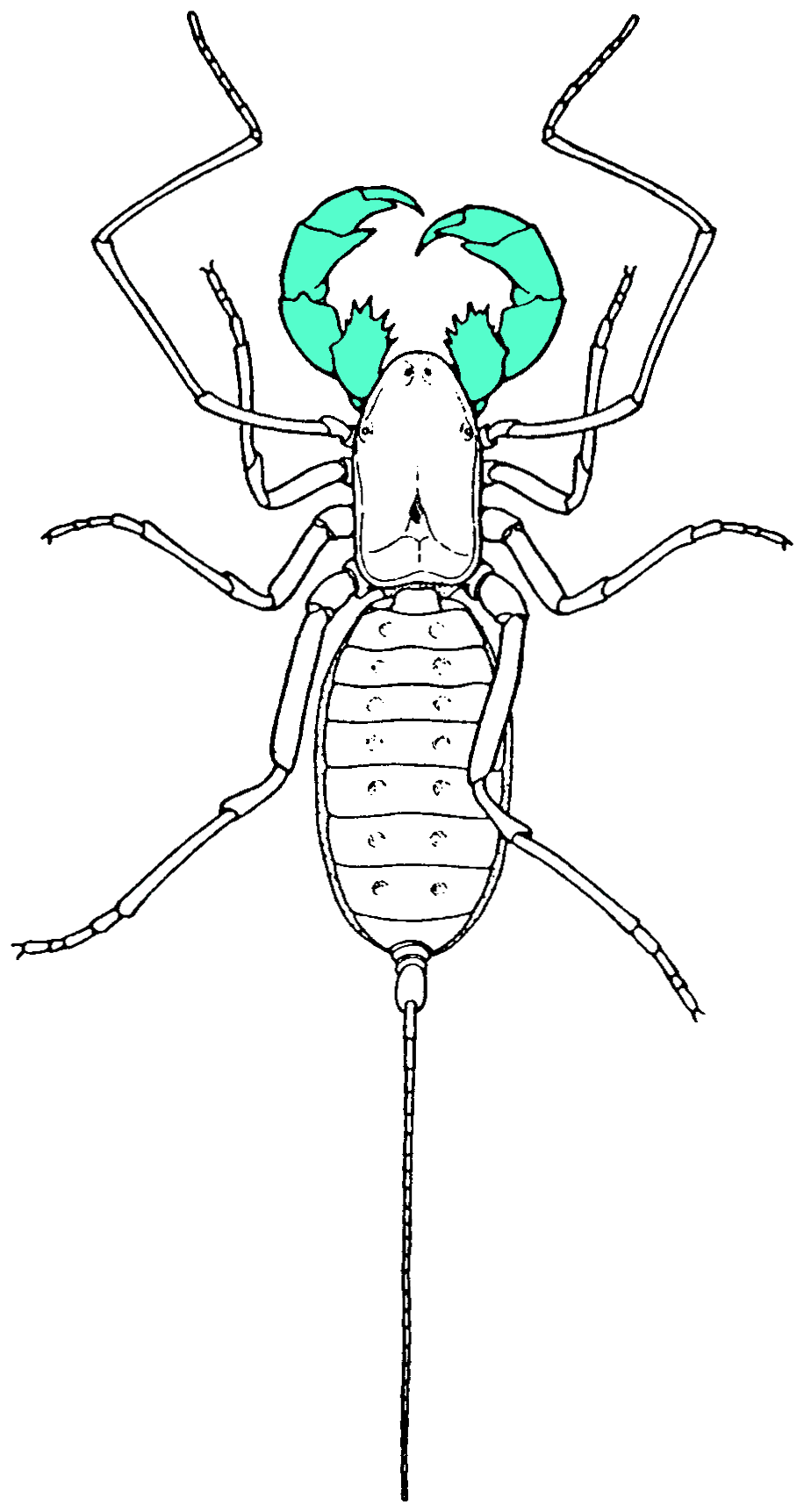


Structure and parts
Pedipalps are segmented and usually include a series of parts analogous to leg segments (for example coxa, trochanter, femur, patella, tibia and tarsus in many descriptions). The distal segments are often modified to carry sensory organs, claws or grasping surfaces. Across chelicerates the exact shape and degree of armature vary: scorpions have large chelate pedipalps forming pincers, while spiders have smaller, leg-like pedipalps that are often covered with sensory hairs. For an overview of pedipalp variation in arachnids see arachnids.
Functions and behavior
Pedipalps serve several key roles depending on the group and life stage:
- Prey handling and manipulation: many spiders use pedipalps to hold and steady prey while feeding; observers often note spiders gripping insects such as crickets with these appendages.
- Sensory perception: pedipalps bear tactile and chemical receptors that help detect environmental cues and locate prey or mates.
- Defense and prey capture: in scorpions and some whip-bearing arachnids, enlarged pedipalps form the main grasping apparatus.
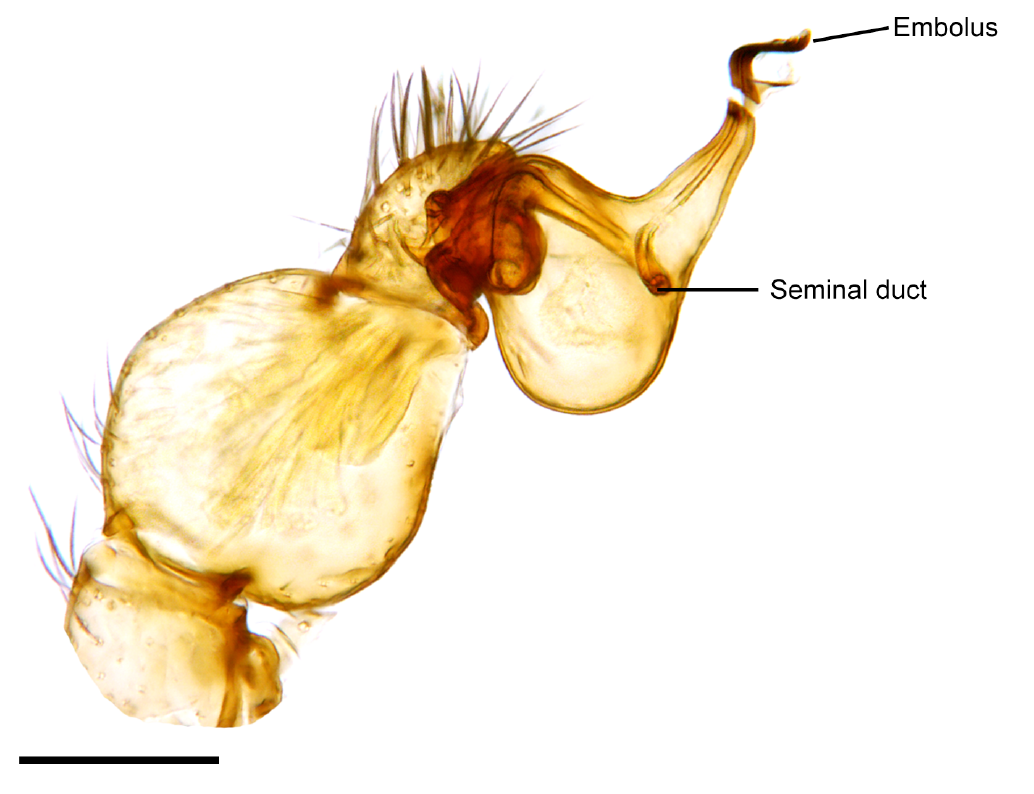
- Reproduction: in male spiders the pedipalps are modified into storage organs for sperm and are used in courtship and insemination.
Pedipalps and spider reproduction
Reproductive use of pedipalps is one of their most striking specializations. Male spiders first deposit a small droplet of sperm onto a silk platform then transfer that sperm into the palpal organ by inserting the tip of the pedipalp into the droplet. The palpal bulb stores the sperm until the male inserts the pedipalp into the female’s copulatory opening (the epigynum) during mating. Because of this role the pedipalps of adult males are often distinctly different in shape from females’ and from juvenile forms; see general notes on male and female differences and mating behavior. The silk used to prepare the sperm spot and the transfer action are sometimes summarized in guides as making silk platforms and picking up sperm before insemination into the epigynum.
History, development and notable distinctions
Pedipalps are an ancient feature of chelicerates and are present in fossil relatives as well as living taxa. During development the pedipalp segments arise from the same body region as other anterior appendages but are modified by growth and sexual differentiation. Important distinctions to keep in mind: pedipalps are not chelicerae (the mouthparts used for biting or venom delivery) and they are not ordinary walking legs, though they can assist in locomotion or substrate contact in some species.
Importance and examples
Functionally versatile, pedipalps play central roles in feeding, sensing and reproduction. They are a useful character for identifying species because many taxa show species-specific shapes, especially in male spiders. Practical examples include the use of pedipalps to manipulate prey, the evolution of large pincers in scorpions for prey capture and defense, and the modified palpal bulbs of male spiders that enable internal fertilization. For more general context and taxa comparisons consult standard arachnology resources and field guides (legs vs. pedipalps discussion) and specialist literature on arachnid morphology and reproductive biology.
Related articles
Author
AlegsaOnline.com Pedipalp: structure, function, and diversity among chelicerates Leandro Alegsa
URL: https://en.alegsaonline.com/art/75412