
European spadefoot toads (Pelobatidae)
Pelobatidae is a family of burrowing frogs represented by the single living genus Pelobates. Found across Europe, the Mediterranean, northwestern Africa and western Asia, they are adapted to ephemeral wetlands.
Overview
The European spadefoot toads are members of the family Pelobatidae, an anuran group characterized by a fossorial lifestyle and unique digging adaptations. Only one genus survives today, Pelobates, which comprises four living species. These frogs inhabit a wide geographical band across Europe, the Mediterranean region, northwestern Africa and parts of western Asia.
Image gallery
3 Images

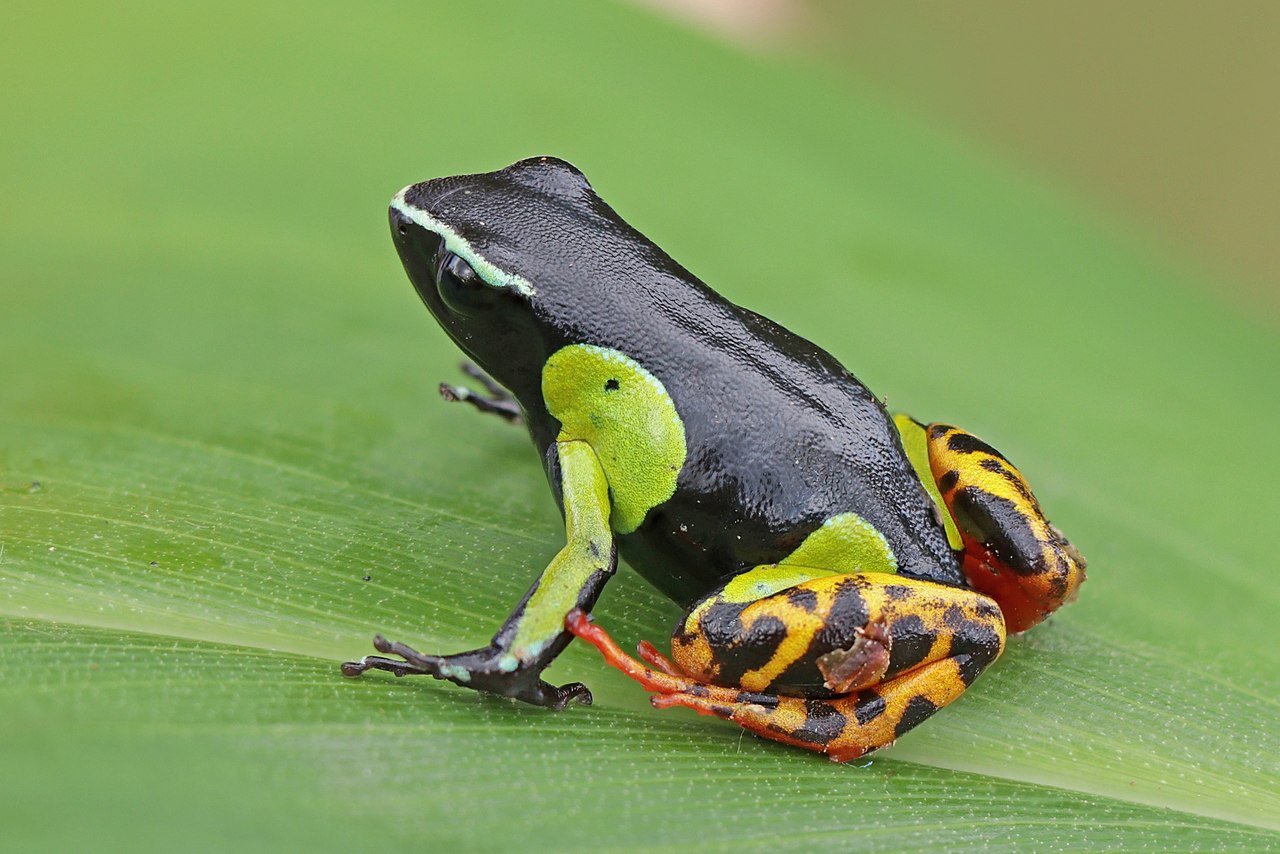
Physical characteristics and adaptations
European spadefoots range from small to moderately large size (adults typically reaching around 10 cm in body length). They have stout, rounded bodies and strong hind limbs adapted for digging. A distinctive feature is a hardened, keratinous "spade" on each hind foot that helps them burrow into sandy or loose soils. Skin texture is generally smoother than that of many true toads, and several anatomical traits reflect their underground habits, including compact limbs and camouflaged dorsal coloring that aids concealment.
Distribution, habitat and ecology
These frogs are primarily fossorial, spending much of their non-breeding time underground to avoid desiccation and temperature extremes. They emerge to forage and reproduce during periods of heavy rainfall. Typical breeding sites are temporary ponds and rain-filled pools that form after storms; such ephemeral water bodies limit predators but require rapid development of offspring.
Life cycle and behavior
Reproduction is often explosive: adults gather at temporary pools and males call to attract females. Eggs are laid in water and develop into free-living aquatic tadpoles. The larval stage in Pelobatidae is notable for its very rapid metamorphosis—under favorable conditions tadpoles can complete transformation into juvenile frogs in as little as two weeks. To cope with the time constraints of evaporating ponds, some tadpoles exhibit facultative carnivory and even cannibalistic behavior, consuming other larvae to accelerate growth.
Conservation and human interactions
Populations of European spadefoots face threats common to many amphibians: loss or alteration of breeding sites, drainage of temporary wetlands, road mortality and agricultural intensification. Because they rely on ephemeral water bodies, changes in land use and climate that affect hydroperiods can have disproportionate impacts. Several local populations have declined and conservation measures focus on protecting breeding habitats and maintaining networked ephemeral ponds.
Notable distinctions
Although called "spadefoots," Pelobatidae are distinct from North American spadefoot families; similarities are largely the result of convergent evolution related to burrowing lifestyles. In taxonomic terms, Pelobatidae sits within the order Anura and historically included additional fossil genera, but today the living diversity is restricted to Pelobates. Their combination of fossorial habits, explosive breeding, rapid larval development and specialist digging anatomy makes them a striking example of amphibian adaptation to unpredictable wetland environments.
- Key traits: keratinous hind-foot spade, fossorial behavior, rapid tadpole metamorphosis.
- Conservation focus: protect ephemeral breeding ponds and surrounding terrestrial habitat.
Questions and answers
Q: What family do European spadefoot toads belong to?
A: European spadefoot toads belong to the family Pelobatidae.
Q: How many living genuses of European spadefoot toads are there?
A: There is only one living genus of European spadefoot toads, called Pelobates.
Q: Where do European spadefoot toads live?
A: European spadefoot toads live in Europe, the Mediterranean, northwestern Africa, and western Asia.
Q: What is the maximum length of European spadefoot toads?
A: European spadefoot toads can grow up to 10 centimetres (3.9 in) in length.
Q: What kind of environment do European spadefoot toads prefer?
A: European spadefoot toads prefer sandy soil, which they use for burrowing.
Q: What is the breeding pattern of European spadefoot toads?
A: European spadefoot toads come out during times of rain to breed in temporary pools.
Q: What is the growth rate of European spadefoot toads?
A: European spadefoot toads have a very short tadpole stage and can grow to adult form in as little as two weeks. Some of the tadpoles are cannibalistic, eating their brood-mates to increase their supply of protein.
Related articles
Author
AlegsaOnline.com European spadefoot toads (Pelobatidae) Leandro Alegsa
URL: https://en.alegsaonline.com/art/75504
Sources
- doi.org : 10.1016/j.gene.2005.07.034
- pubmed.ncbi.nlm.nih.gov : 16307849
- doi.org : 10.1080/10635150590905894
- pubmed.ncbi.nlm.nih.gov : 15805014