
Pelican (Pelecanus): biology, distribution and natural history
Large water birds of the genus Pelecanus known for a long bill and expandable throat pouch; widespread but patchy distribution, varied feeding styles, social nesting, and conservation concerns.
Overview
Pelicans are large, fish-eating water birds belonging to the genus Pelecanus in the family Pelecanidae. Characterized by a very long bill and a capacious throat pouch, pelicans use that pouch primarily to catch and hold prey. The eight extant species occur in a range of coastal, inland and tropical habitats but have a patchy global distribution that reaches from tropical regions to temperate zones. They are absent from polar regions, the open ocean, and much of interior South America.
Image gallery
10 Images




Physical characteristics and feeding
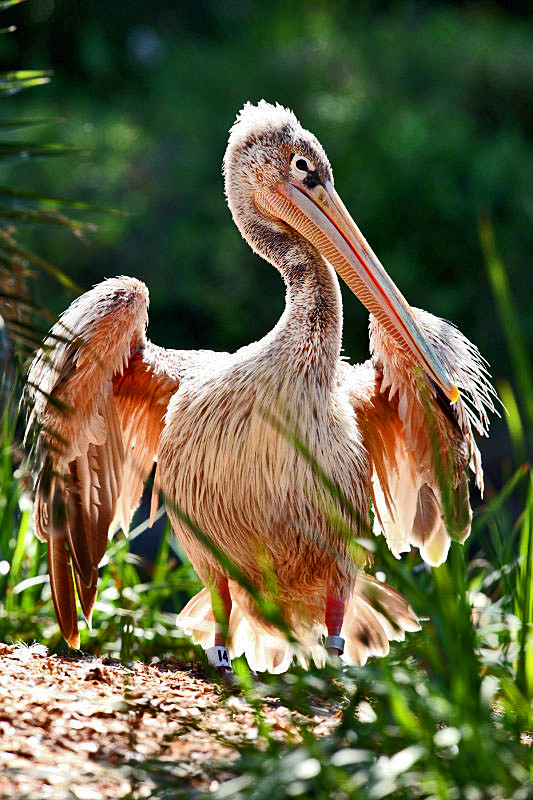
All pelicans share several distinctive features: a long beak with a hooked tip, an extensible gular pouch beneath the bill, broad wings adapted for soaring, and generally large body size. Plumage is mostly pale in many species, though there are darker types such as the brown and the Peruvian pelican. Bare facial skin and the bill often develop bright breeding colours. Pelicans feed mainly on fish; some species and populations forage by scooping in shallow water, while others perform plunge-diving from flight. After scooping or catching fish, they usually drain excess water from the pouch before swallowing.
Behavior and social structure
Pelicans are social birds that often nest in colonies and forage in groups. Cooperative hunting has been observed in some species, where individuals drive fish into shallow bays or herd shoals to make capture easier. Flight is typically strong and efficient: pelicans use thermal updrafts to travel long distances and often fly in V-formations or loose lines. Vocalizations are generally limited compared with passerines, and much communication is visual during courtship and nesting.
Distribution, habitat and species examples
The eight living species are distributed unevenly around the world. Some are coastal specialists while others inhabit inland lakes and rivers. Examples include the American white pelican and the brown pelican, plus the Peruvian pelican on the Pacific coast of South America. Their latitudinal range extends from tropical waters to temperate zones but they avoid high-latitude polar areas and pelagic open ocean conditions. Regions where they are uncommon or absent include much of interior South America.
Human interactions, history and conservation
Pelicans have long featured in human cultures, art and heraldry. Historically, some populations declined due to hunting, egg collection, pollution and habitat destruction; chemical contaminants and disturbance of breeding colonies have been important threats. Conservation measures, protected breeding sites and pollution controls have aided recoveries for several populations. Ongoing concerns include fisheries interactions, coastal development and changing prey availability.
Key facts and distinctions
- Taxonomy: members of the genus Pelecanus within the family Pelecanidae and commonly referred to as water birds.
- Pouch function: the gular pouch is used for scooping and temporarily storing fish; water is drained before swallowing.
- Plumage: mostly pale, with notable exceptions such as the brown and Peruvian pelicans, and seasonal facial and bill coloration during breeding.
- Range limits: present from the tropics to temperate zones but absent from polar areas and the open ocean; patches of absence include interior South America (see region notes).
- Further reading: general summaries and species accounts are available through ornithological resources and conservation organizations (range details, ecology). Bill and pouch anatomy, flight, and behavior have been subjects of field studies and natural history accounts.
Related articles
Author
AlegsaOnline.com Pelican (Pelecanus): biology, distribution and natural history Leandro Alegsa
URL: https://en.alegsaonline.com/art/75491