
Mating: Biological reproduction, mechanisms and behaviors
Overview of mating across animals, plants and fungi: definitions, mechanisms (internal/external fertilization), hermaphroditism, mating systems, parental care, and human uses like artificial insemination.
Overview
Mating is the process by which organisms pair or combine for the purpose of producing offspring. It most commonly refers to interactions between opposite-sex individuals but also applies to organisms that are hermaphrodite or otherwise capable of combining reproductive material. The term is used across a wide range of organisms, including animals, plants and fungi, and is typically associated with sexual reproduction in which genetic material from two sources contributes to the next generation.
Image gallery
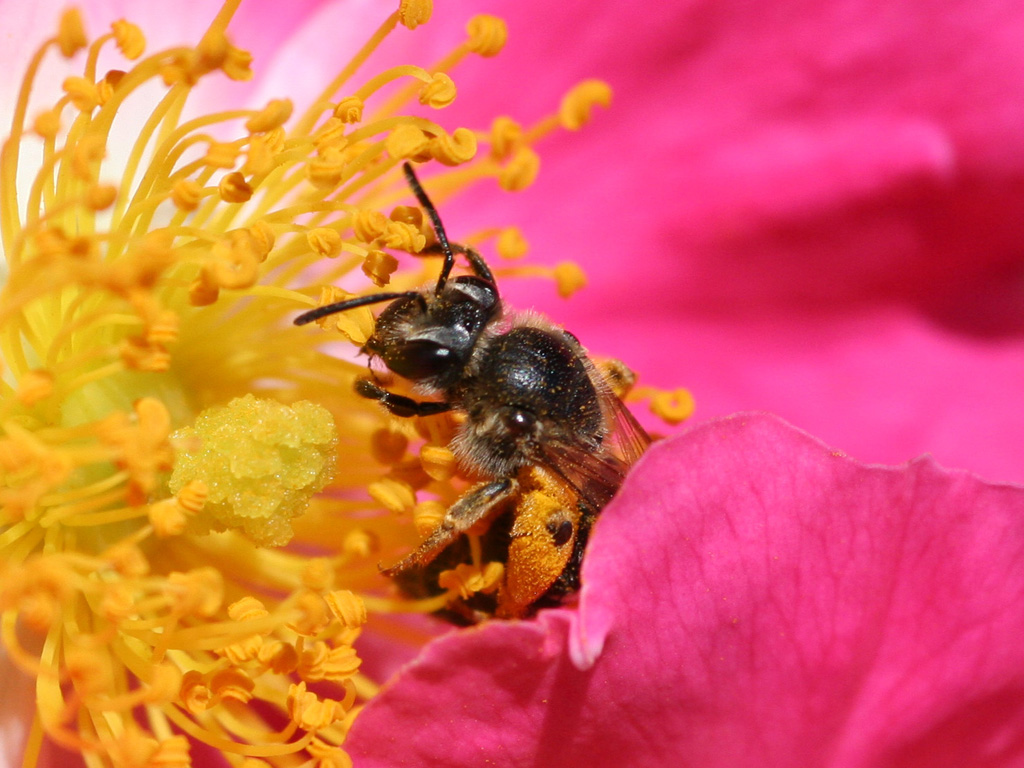
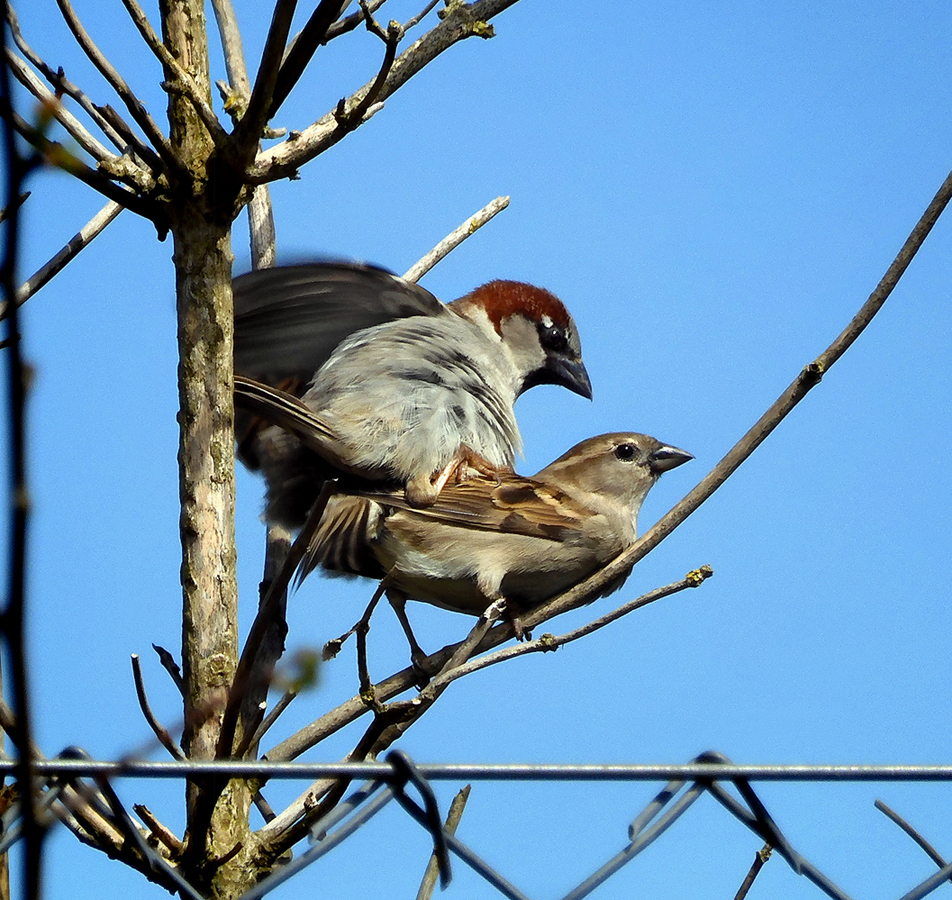
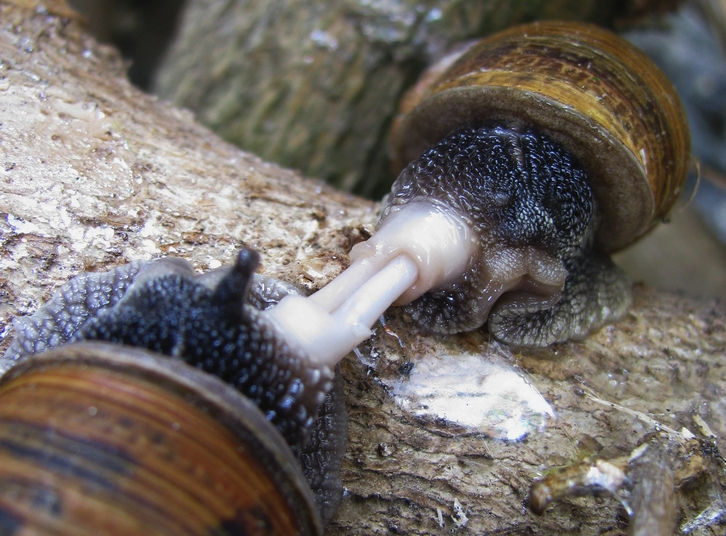
10 Images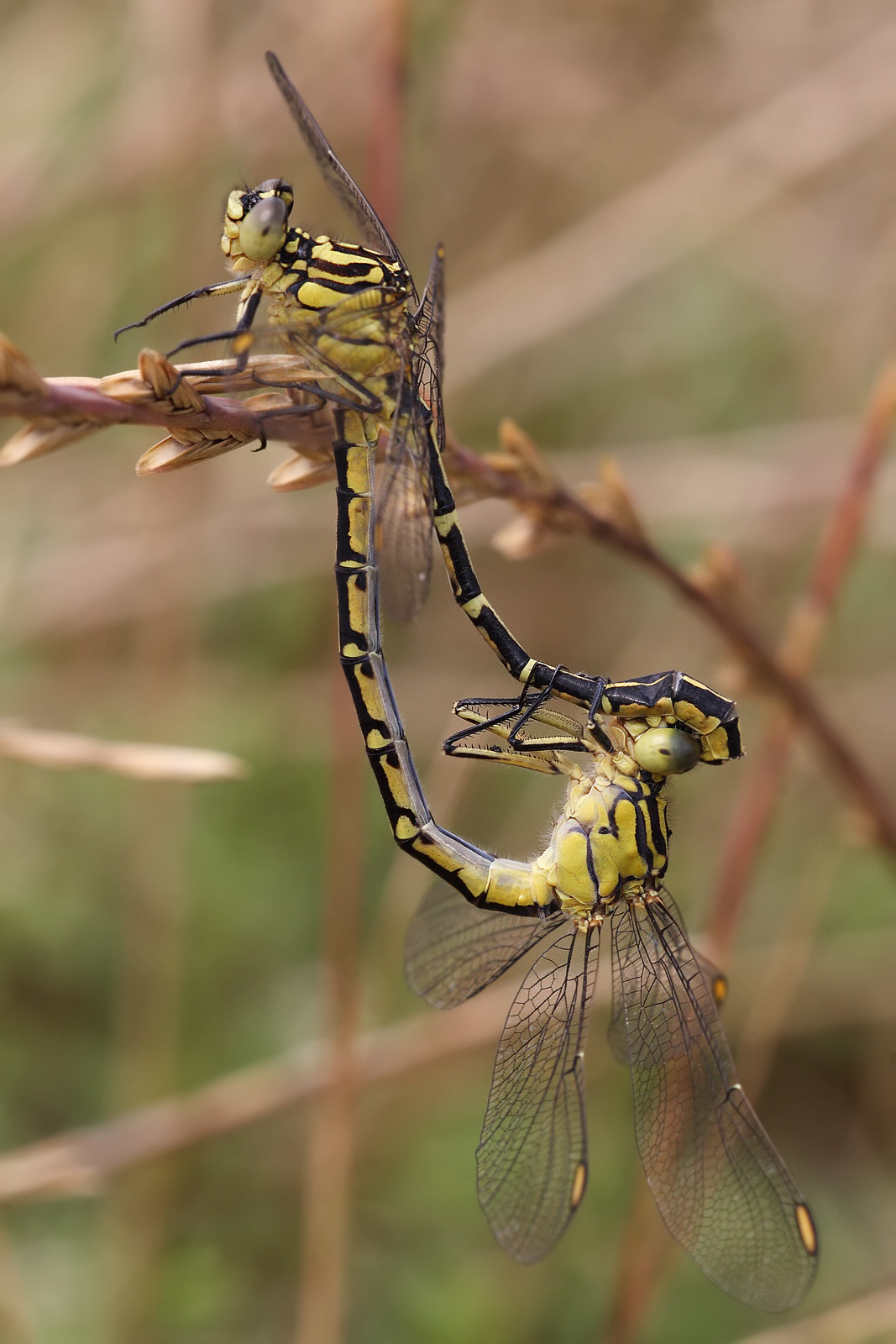



Mechanisms of mating and fertilization
Mating can result in internal or external fertilization. In animals that use internal fertilization, copulation brings together the reproductive organs so that gametes can meet; the physical union of sex organs is often described as copulation, while the fusion of male and female cells is called fertilization. Gametes themselves—the sperm and the egg—are the cellular units whose combination creates a new genome (gametes). In many aquatic species, for example numerous fish and amphibians, males and females release sperm and eggs into the water where external fertilization occurs, often timed to environmental cues such as temperature or lunar cycles.
Hermaphroditism, self-fertilization and plants
Some species are capable of producing both male and female gametes within a single individual. These hermaphrodite organisms may exchange gametes with another individual or, in some cases, self-fertilize—a process called autogamy. In flowering plants, mating between individuals is commonly referred to as cross-fertilization or "crossing," while reproduction confined to the same flower or plant is called self-pollination; many descriptions of plant mating use the term self-pollination to indicate that pollen fertilizes ovules within the same flower or plant. Examples of animal hermaphrodites include many gastropods and earthworms, which may mate simultaneously and exchange gametes.
Behaviors, mating systems and parental care
Mating often involves behaviors beyond the physical union of gametes. Courtship displays, territorial defense, nest-building and provisioning of young are common components of reproductive strategies. In many bird species, mating is closely linked with nest construction and the later feeding or care of offspring. Ecologists describe a range of mating systems—such as monogamy, polygyny, polyandry and promiscuity—that reflect how individuals pair and how parental responsibilities are shared. These systems influence sexual selection, mate choice and the evolution of reproductive traits.
Human intervention and practical applications
Humans have altered mating and reproduction through techniques used in agriculture, conservation and medicine. Artificial insemination, selective breeding and assisted reproduction enable breeders to control parentage, manage genetic diversity and improve or conserve populations. Such interventions are central to modern animal husbandry, aquaculture and endangered-species programs. In conservation contexts, managers may time releases or simulate natural mating cues to encourage successful reproduction in captivity or in restored habitats.
Terminology and important distinctions
Words related to mating are precise in biological usage. "Mating" broadly denotes the pairing process, while "copulation" usually refers to the physical joining of sex organs in animals. "Fertilization" specifies the cellular event when two gametes merge to form a zygote. In plants and fungi, the term "crossing" or cross-fertilization emphasizes exchange between different individuals and the combination of distinct genetic material (DNA). Different disciplines or educational contexts may restrict or broaden these definitions, so scientific writing often clarifies which sense is intended.
- Key forms: internal vs external fertilization, selfing vs outcrossing.
- Common processes: courtship, copulation, gamete release and zygote formation.
- Human roles: selective mating, assisted reproduction and husbandry practices.
For more general summaries or specific examples across taxa, consult introductory resources and species-specific literature: a basic primer can help distinguish mating as a behavioral phenomenon from the cellular events of fertilization and zygote development. Further reading and case studies are available through general biology texts and specialized conservation or agricultural guides (see overview, see hermaphroditism, see taxa).
Questions and answers
Q: What is mating?
A: Mating is the pairing of opposite-sex or hermaphrodite organisms, usually for sexual reproduction. It can also refer to crossing in plants and fungi.
Q: What is copulation?
A: Copulation is the union of the sex organs of two sexually reproducing animals for internal fertilization.
Q: How do some aquatic species reproduce?
A: Some aquatic species spread their eggs and sperm in the water at one specific time of year, which varies between species.
Q: Can hermaphroditic species self-fertilize?
A: Yes, some hermaphroditic species can self-fertilize (autogamy). In some flowering plants this can happen within the same flower, and many gastropods and earthworms are hermaphrodite and do simultaneous copulation in pairs.
Q: Are there other behaviors associated with mating in birds?
A: Yes, in some birds mating includes behaviors such as nest-building and feeding offspring.
Q: Is artificial insemination part of animal husbandry?
A: Yes, artificial insemination of domesticated animals is part of animal husbandry.
Related articles
Author
AlegsaOnline.com Mating: Biological reproduction, mechanisms and behaviors Leandro Alegsa
URL: https://en.alegsaonline.com/art/62836
Sources
- thefreedictionary.com : "Mate"
- thefreedictionary.com : "'Fertilization' - definition of"